
Types of Travel Accommodation and Who They Suit
Home » Accommodation » Types of Travel Accommodation and Who They Suit
The different types of travel accommodation can shape how a trip works from day to day. A hotel can be practical for a short city break.
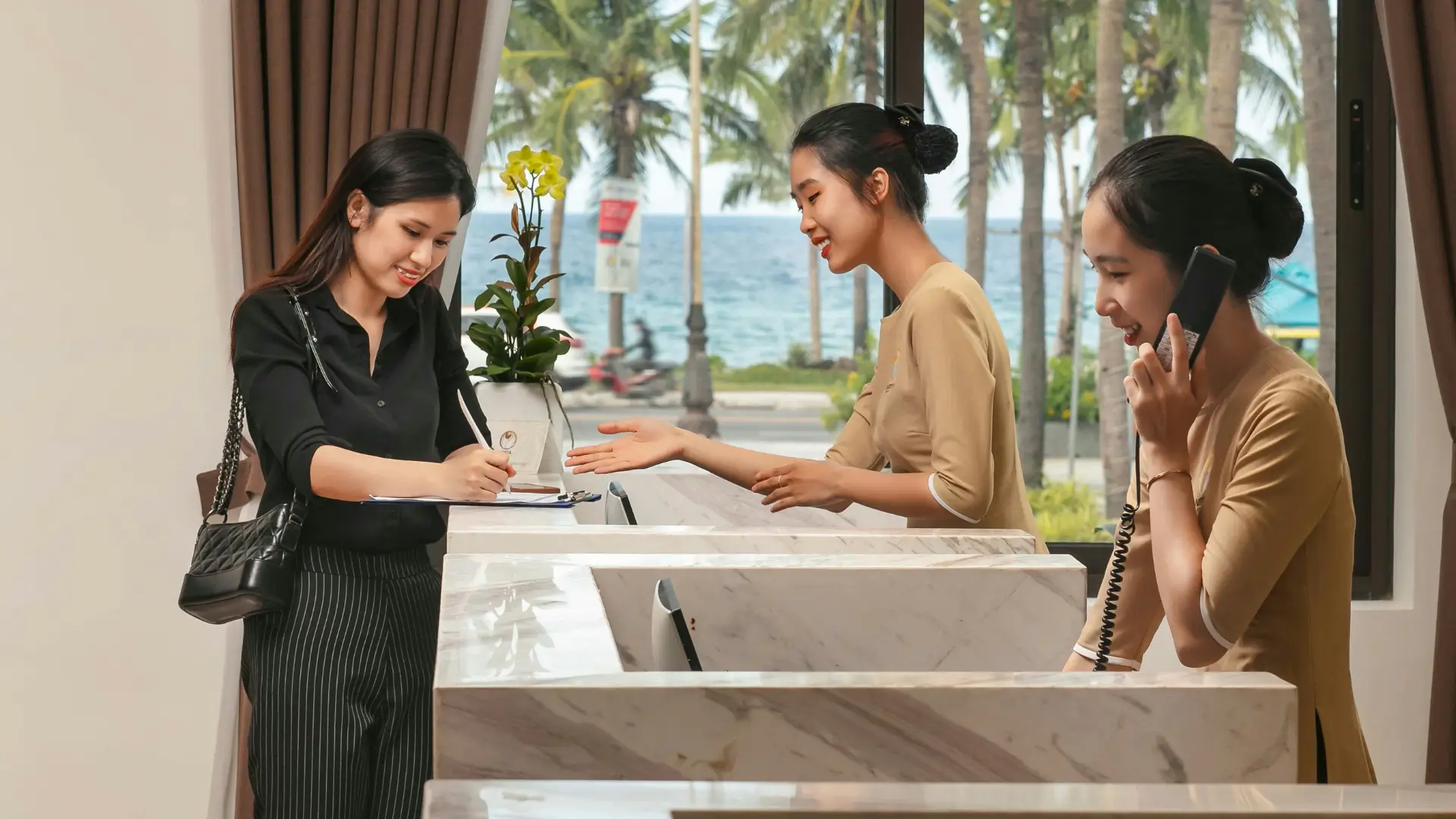
An apartment may make more sense when you’re staying for a week or travelling with family. Hostels, resorts and holiday homes offer different levels of space, privacy and service.
The name of a property doesn’t always tell you exactly what to expect. A hostel can have private rooms, while a serviced apartment can include reception and housekeeping. Guesthouses and lodges also vary widely between destinations. Reading the property details is still important once you know which category interests you.
Understanding the main types of travel accommodation gives you a useful place to start. You can narrow down the options before comparing individual properties.
Your trip length, budget and travel companions can all influence the choice. The amount of privacy and service you want matters too.
Hotels
Hotels are one of the most familiar types of travel accommodation. They usually offer private rooms and some level of guest service.
Reception, housekeeping and luggage storage are common, but they aren’t guaranteed at every property. Larger hotels may also have restaurants, pools, gyms or business facilities.
Hotels can suit many kinds of travellers because the category is so broad. Solo travellers and couples may find them convenient for short city stays. Families can also use hotels, especially when suitable room layouts are available. Business travellers may value reception, Wi-Fi and an easy arrival process.
Properties range from simple budget options to full-service luxury stays. The experience can vary considerably, so it’s worth looking at the specific room and facilities before you book.
Pay attention to the room size, bathroom setup and included services. A well-located basic hotel can sometimes suit your plans better than a property with more facilities.
Hostels
Hostels are best known for dormitory rooms, but many also have private rooms. Bathrooms and kitchens are often shared. Common areas are another typical feature. Some properties also offer en-suite rooms and more privacy than the hostel label might suggest.
This option often suits solo travellers and backpackers who want to keep costs down. It can also work for friends travelling together.
Travellers who enjoy shared spaces may appreciate the social side of a hostel. A private room can suit someone who wants more personal space without moving to a hotel.
Facilities can differ between rooms in the same property. One room may have a private bathroom while another uses a shared one. Lockers, towels and luggage storage can also vary. Reception hours matter if you expect to arrive late.
Apartments and Serviced Apartments
Apartments usually give you a self-contained place to stay. Many include a kitchen or kitchenette, a living area and separate sleeping space.
Studio apartments may combine these areas into one room. Laundry facilities are also common in some properties.
Apartments can be useful for families, groups and longer stays. Extra space can make it easier to spend more time at the accommodation. A kitchen also gives you the option to prepare some meals. This can be helpful when eating out for every meal doesn’t suit your plans or budget.
Serviced apartments add some hotel-style services to the apartment setup. These can include reception, housekeeping, or shared facilities.
The level of service depends on the property. They can suit travellers who want more space without giving up all the conveniences of a hotel.
Guesthouses and Bed and Breakfasts
Guesthouses
Guesthouses are usually smaller than traditional hotels, although the size and setup can vary. Some provide breakfast or other meals, while others offer accommodation only. Rooms may have private or shared bathrooms, depending on the property.
They can work well in destinations where there aren’t many large hotels. Reception hours may be limited at smaller properties. Late arrivals sometimes need to be arranged in advance. Luggage storage and other hotel-style services aren’t always available either.
Bed and Breakfasts
As the name suggests, a B&B includes a room and breakfast as part of the stay. These properties are often smaller, but the facilities and level of service can vary. Some have only a handful of rooms, while others are closer in size to a small hotel.
Smaller properties may have limited reception hours. Late arrivals can require advance notice. Luggage storage may not always be available either. Read the arrival details before booking if your flight or train gets in late.
Resorts
Resorts combine accommodation with extra facilities and activities. Many have swimming pools, restaurants or spas.
Others offer sports, entertainment or organised activities. Beach and ski resorts may focus their facilities around the destination.
A resort can work well when the property is a bigger part of the holiday. Families may value children’s facilities or activities on site. Couples may prefer a property with restaurants or a spa. Some resorts also offer all-inclusive rates, although the inclusions vary.
More facilities can also mean a higher price. Think about how much time you’ll actually spend at the property. A long amenities list adds little value if you plan to be out most of the day. The location still needs to work with the rest of your itinerary.
Motels
Motels developed around road travel and are commonly found near major roads. Parking and convenient vehicle access are usually central to the setup.
Some rooms open directly towards the parking area. Other motels use layouts that feel closer to a standard hotel.
Motels can work well for road trips and overnight stops. They’re practical when you mainly need somewhere to sleep before continuing your journey. Drivers may also find them easier than city-centre accommodation with limited parking. Services are often simpler than those at a full-service hotel.
The location can be an advantage or a drawback. Easy road access is useful when you’re travelling by car. It may be less practical for sightseeing if the property is far from public transport. Compare the motel with your route before booking.
Holiday Homes and Vacation Rentals
Holiday homes and vacation rentals include houses, villas, cottages and privately rented apartments.
They usually provide a self-contained space instead of a traditional hotel room. Many include a kitchen and living area. Larger properties can have several bedrooms and bathrooms.
These properties can suit families and groups who want to stay together. They can also work well for longer trips. Extra space gives everyone more room to spread out. Cooking and laundry facilities can make an extended stay easier.
The booking process can be different from a hotel. Cleaning fees, deposits and house rules may apply. You may also receive specific instructions for collecting keys or entering the property. Read the full price and arrival details before confirming the reservation.
Homestays
A homestay usually means staying in a private home. The host or local residents may live there at the same time. Guests often have a private bedroom and share other areas of the home. Some homestays include meals, while others provide accommodation only.
Homestays can suit travellers who are comfortable sharing parts of a home. They may also be available in places with fewer hotels or apartments.
The experience can feel very different from staying in a commercial property. Privacy levels depend on the individual arrangement.
House rules can matter more in a homestay. There may be set times for access, meals or use of shared areas. Visitor rules can also apply. Read the listing carefully to make sure the arrangement works with your plans.
Camping and Glamping
Camping
Traditional camping gives you several ways to stay outdoors. You might pitch your own tent or travel with a campervan. Some campsites also have basic cabins or ready-made tents for travellers who don’t bring their own equipment.
Facilities vary considerably between campsites. A simple site may provide little more than a pitch and shared bathrooms. Larger campsites can have cooking areas, electricity, laundry facilities and small shops. Some also have designated spaces for campervans and motorhomes.
What you need to bring depends on the setup you book. Find out if bedding, cooking equipment and electricity are provided before you arrive.
Bathroom facilities are worth checking too, especially if you prefer a private shower or don’t want to rely on basic shared facilities.
Glamping
For more comfort, glamping provides a ready-made place to sleep. Options can include furnished tents, pods, yurts, cabins and other purpose-built accommodation. The exact setup varies considerably between properties.
Some glamping stays have proper beds, electricity, heating and private bathrooms. Others are closer to traditional camping and still use shared campsite facilities.
A kitchen or cooking area may be included, but it isn’t something you should assume from the word glamping alone.
This option can suit travellers who like the idea of an outdoor stay without bringing a tent and camping equipment. It can also work when the setting is an important part of the trip. Read the facilities carefully before booking because glamping can mean very different things from one property to another.
Cabins and Lodges
Cabins
Cabins are common in mountain, forest, lake, and countryside destinations. They can range from basic places to sleep to fully self-contained properties.
Larger cabins may include a kitchen, private bathroom and several bedrooms. More basic options may provide only sleeping space, with bathrooms or dining areas shared between guests.
Access is worth checking before you book. Remote cabins may require a car, and mountain roads can have seasonal restrictions. Find out how you’ll reach the property, especially if you’re travelling during winter or arriving after dark.
Lodges
The word lodge can describe several kinds of accommodation. Some are small rural properties, while others are larger and offer shared facilities or guest services.
You’ll often find them in mountain, wildlife and countryside destinations.
Facilities depend heavily on the property. A lodge may have private rooms and a restaurant, while another may offer cabins or shared spaces. Some provide activities or transport as part of the stay, particularly in remote destinations.
Remote lodges often take more planning to reach. Driving is the easiest option in certain areas. In more isolated locations, you’ll need to arrange transport in advance.
Capsule Hotels
Capsule hotels provide compact individual sleeping spaces instead of conventional rooms. Bathrooms and other facilities are usually shared.
Larger pods and upgraded sleeping areas are available at certain capsule hotels. They’re most strongly associated with Japan, although you can now find them in other destinations too.
A capsule hotel can suit solo travellers who only need a simple place to sleep. It can also be useful for a short overnight stay near a station or airport. The compact setup may appeal when location matters more than room space. Travellers with a lot of luggage may find it less practical.
Rules can be more specific than at a standard hotel. Large bags may need to go in a locker or separate storage area. Access to sleeping areas can also be controlled at certain times.
Capsule hotels don’t all operate the same way. Rules around luggage, shared areas and access depend on the hotel.
Other Accommodation Types
You may come across other types of travel accommodation depending on the destination. Farm stays, eco-lodges, ryokans and houseboats are a few examples.
Certain accommodation types are closely connected to a particular destination or style of trip. They can have features in common with hotels, guesthouses or vacation rentals.
The property name can sometimes create the wrong expectation. A lodge might be a simple countryside stay or a high-end resort.
A cabin could have a full kitchen or only basic sleeping space. Focus on what the property actually provides instead of relying on the category name.
Local accommodation styles can also be part of the travel experience. That doesn’t automatically make them the best option for every trip. Practical details still matter. Make sure the location, facilities, and booking arrangements work for you.
Which Type of Accommodation Suits Your Trip?
There isn’t one type of accommodation that suits every traveller. A solo traveller might choose a hostel for one trip and a hotel for another.
A family may prefer an apartment for a week but use a hotel for a single night. The trip itself should guide the decision.
Start with the length of your stay and the people travelling with you. Think about how much space and privacy you need. Decide which facilities will actually make the trip easier. Your budget and transport plans will narrow the options further.
Knowing the main types of travel accommodation can help you narrow down your options. You can then compare the properties that fit your plans.
Location, total cost, reviews, and booking terms can make two properties in the same category very different choices.
A suitable accommodation type gives you a useful starting point. The final choice still comes down to the specific property and how well it works with your trip.

I love exploring new places and sharing the travel tips, food finds, and experiences that help you plan your next adventure.
Join the
Journey
Sign up for new itineraries, travel notes, and practical guides to help you explore the places I love most.
I love exploring new places and sharing the travel tips, food finds, and experiences that help you plan your next adventure.
Join the
Journey
Sign up for new itineraries, travel notes, and practical guides to help you explore the places I love most.
