
Travel Insurance Claims for International Travel
Home » Travel Insurance » Travel Insurance Claims for International Travel
Travel insurance can help cover certain costs when something goes wrong during your trip. To receive reimbursement, you’ll usually need to submit a claim. You’ll also need evidence of what happened.
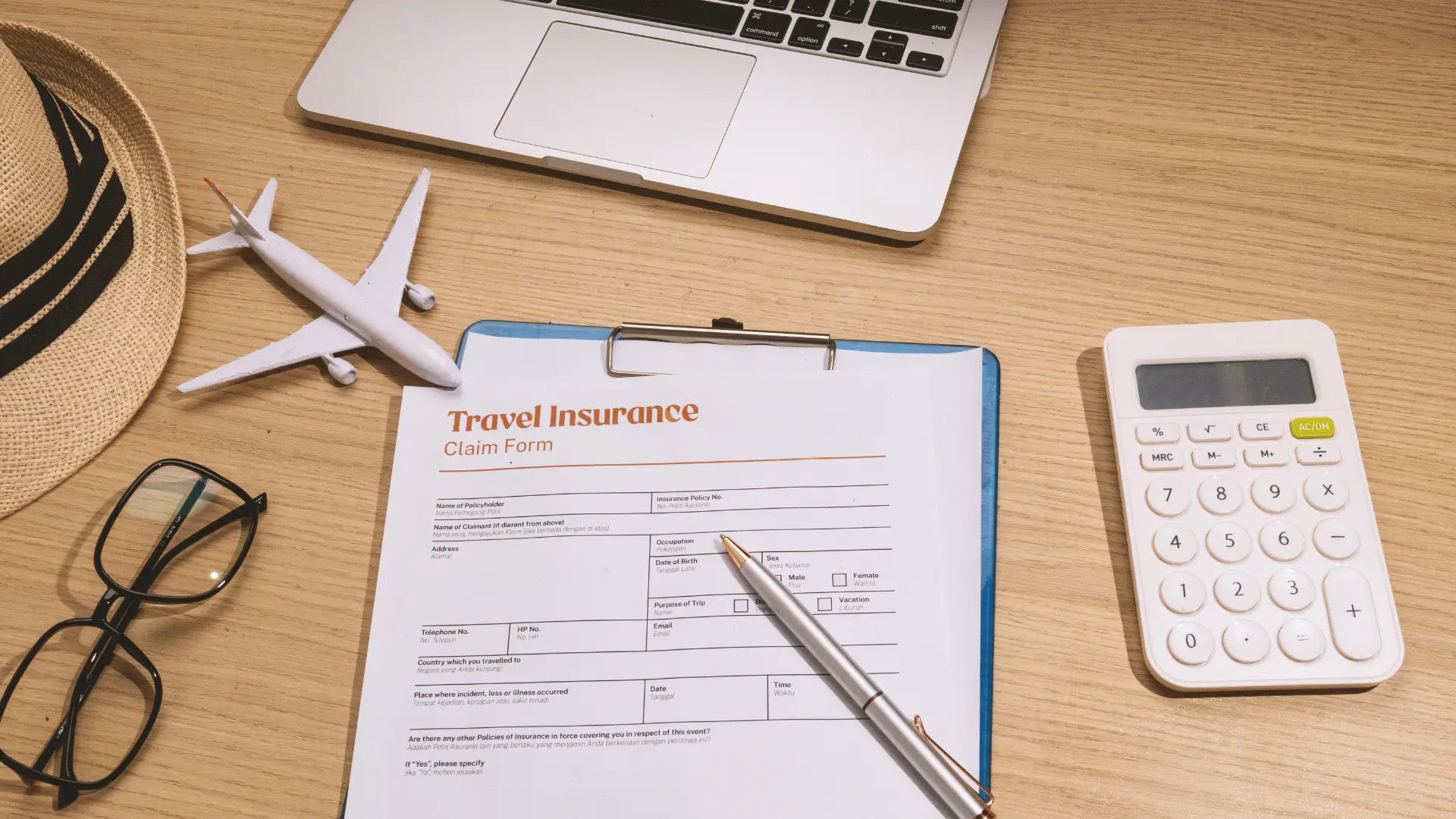
The exact travel insurance claims process depends on your insurer and policy. It also depends on the type of loss. A medical expense needs different evidence from delayed baggage or a cancelled trip. Knowing what to document while you’re travelling can make it easier to put your claim together later.
What Is a Travel Insurance Claim?
A travel insurance claim is a request for your insurer to pay or reimburse an expense or loss under the terms of your policy. You usually need to explain what happened and show that the event falls within your cover. Evidence of the amount you’re claiming is also required.
Buying travel insurance doesn’t mean every problem during a trip will qualify for reimbursement. Policies have covered reasons, limits, and exclusions. Other conditions can also determine what you can claim.
If you’re unsure about the protection your policy provides, review what travel insurance covers. This can help you understand your cover before submitting a claim.
What to Do When Something Goes Wrong
Your first priority depends on the situation. Get medical help if you’re ill or injured. Report theft to the appropriate local authority. For flight or baggage problems, speak to the airline.
Contact your insurer as soon as it’s practical. Your policy documents should explain how to report an incident. They should also tell you whether you need to contact an emergency assistance service.
Notification deadlines differ between insurers. Claim submission deadlines can also depend on the type of claim.
Keep records from the beginning. Save receipts and booking confirmations related to the incident. Store emails, reports, photographs, and any other relevant documents. These can show what happened and provide proof of the expenses you’re claiming.
Documents Needed for a Travel Insurance Claim
The documents required for travel insurance claims depend on what you’re claiming for. Insurers commonly ask for your policy details and itinerary. You’ll also need proof of payment and evidence of the incident or expense.
Save copies of everything you submit. Your insurer can request additional information while assessing the claim.
Medical Claims
For a medical claim, save itemised bills and receipts for treatment. Medical reports and doctors’ notes could also be required. The insurer could ask for test results or discharge paperwork as well.
If the situation is an emergency, use the emergency assistance details provided with your policy when possible. Some insurers have specific procedures for medical assistance. Follow these when arranging treatment or getting approval for it.
Trip Cancellation or Interruption Claims
Save confirmation of your original bookings and evidence of the amount you paid. You’ll also need documents showing why the trip was cancelled or interrupted. Record any refunds or credits you received as well.
The evidence depends on the reason for the claim. An illness could require medical documentation. Other covered events could require different records.
The insurer could also ask for confirmation from a travel supplier. This can show how much was refunded or confirm that a refund was declined.
Baggage Claims
Report lost or damaged checked baggage to the airline or other carrier. Save the report they provide. A Property Irregularity Report is commonly used for airline baggage problems.
For lost, stolen, or damaged belongings, you may need receipts or other proof of ownership. Photos can also help support your claim.
Save repair estimates for damaged items. For stolen belongings, report the theft to the appropriate local authority and keep any report you receive. If the carrier has already paid compensation, save a record of the amount.
Travel Delay and Missed Connection Claims
Save your original itinerary and boarding passes. Ask the airline or other transport provider for confirmation of the delay or cancellation. Get the reason for the disruption when it’s available.
Keep receipts for any extra expenses you plan to claim. Your policy will tell you which expenses are covered. It will also explain any conditions that apply.
How to File a Travel Insurance Claim
The exact submission method depends on your insurer. Most claims still follow a similar basic process. Use your policy wording and the insurer’s instructions to find the requirements for your claim.
Step 1: Review Your Policy and Claims Instructions
Open your policy documents or insurer’s claims portal. Find the instructions for your type of claim. Confirm how you need to submit it and what evidence is required. Look for any notification or submission deadlines as well.
Step 2: Complete the Claim Form
Fill in the claim form accurately. Explain what happened and when it happened. Add the amount you’re claiming and the relevant details of your trip.
Step 3: Attach Your Supporting Documents
Provide the evidence requested for your type of claim. This can include receipts, medical records, or airline reports. You might also need booking confirmations, proof of payment, or photographs. Add any relevant correspondence with a travel provider.
Include details of any refunds or credits you’ve already received. Add any compensation paid by an airline, hotel, or other travel provider as well.
Step 4: Submit the Claim Within the Required Time
Send the completed claim within the deadline stated in your policy. Make sure the required supporting documents are included.
There isn’t one deadline for every travel insurance claim. Insurers set their own requirements. Different benefits can also have different notification or submission periods.
Step 5: Save Copies and Your Claim Reference
Save a copy of the completed form and all the documents you submitted. Record the claim reference number as well. Store any correspondence with the insurer in the same place. These records will help if the insurer asks for more information or you need to follow up.
What Happens After You Submit a Claim?
The insurer reviews your claim against the terms of your policy. It will look at the reason for the loss and the evidence you’ve provided. The insurer will also review the expenses you’re claiming. Policy limits, exclusions, and other conditions will form part of the assessment.
Additional documents or clarification might be needed before a decision is made. This doesn’t necessarily mean your claim has been rejected. The insurer might simply need more information to complete the assessment.
Processing times differ between insurers and claims. A simple claim with complete documentation could require less investigation. Medical, cancellation, or baggage claims can take longer when several organisations are involved.
If the claim is approved, the insurer will explain the amount payable. Payment will then be arranged according to its claims process. The amount isn’t necessarily the full cost of your loss.
Policy limits and excesses or deductibles can reduce the amount paid. Previous refunds and other policy terms can also affect the final payment.
Why Travel Insurance Claims Can Be Denied
A claim can be denied when the event isn’t covered by the policy. It can also be denied when the conditions for a particular benefit haven’t been met. Policy exclusions can prevent an expense from qualifying as well.
Documentation is another important part of the assessment. The insurer needs enough evidence to establish what happened. It also needs to verify the amount being claimed. Missing evidence can lead to a request for more information or affect the outcome of the claim.
Timing can matter too. Policies can set deadlines for notifying the insurer. There could also be a deadline for submitting the claim or supporting evidence. Review these requirements as soon as you know you need to make a claim.
This is one reason it’s worth comparing travel insurance carefully before your trip. Review the cover and exclusions before choosing a policy. Pay attention to the limits, excess, and claims requirements too.
What to Do if Your Travel Insurance Claim Is Denied
Read the insurer’s explanation for the decision. Compare the reason for the denial with the relevant wording in your policy.
When information is missing, find out if you can submit additional evidence. This might include receipts or medical records. Correspondence with an airline or hotel can also support your claim. The documents you need will depend on the reason for the denial.
If the decision doesn’t match the terms of your policy, ask the insurer to review it. Explain why you disagree with the decision and provide any additional evidence that supports your claim.
Appeal procedures differ between insurers. External complaint options also depend on the jurisdiction.
Tips for Keeping Your Claim Organised
Create a digital folder for the claim. Store your policy and claim form there. Add receipts, reports, booking confirmations, and correspondence as you receive them. Use clear file names to make individual documents easier to find.
Record important dates and your contact with the insurer. Note when the incident happened and when you reported it. Add the date you submitted the claim. If the insurer requests more documents, record when you sent them.
Save all your documents until the claim is complete. Uploaded photos or scans might not be the only evidence the insurer needs. They can still ask for additional documentation during the assessment.
Prepare Before You Travel
You don’t need to expect something to go wrong. Having your insurance details available can still save time if a problem occurs. Store your policy number somewhere you can access while travelling. Do the same with the insurer’s emergency assistance details.
The claims process is also worth reviewing when you’re choosing a policy. Look at the documents the insurer requires and how claims are submitted. Find the contact details you’d need during an emergency.
If you’re still arranging your cover, knowing when to buy travel insurance can help you avoid leaving it until the last minute.
After you’ve bought a policy, save a copy with your other travel documents. If an incident happens, document it as soon as you reasonably can. Follow the claims instructions provided by your insurer.

I love exploring new places and sharing the travel tips, food finds, and experiences that help you plan your next adventure.
Join the
Journey
Sign up for new itineraries, travel notes, and practical guides to help you explore the places I love most.
I love exploring new places and sharing the travel tips, food finds, and experiences that help you plan your next adventure.
Join the
Journey
Sign up for new itineraries, travel notes, and practical guides to help you explore the places I love most.
