
Lisbon to Porto: Train, Bus or Car?

Lisbon and Porto are easy to combine in one Portugal trip. The choice is whether to travel straight between the cities or explore Central Portugal along the way. A train keeps things simple, a coach can cost less, and a car gives you the freedom to stop.
For a direct journey, I’d choose the train. You avoid motorway driving and parking, and arrive ready to explore. I’d hire a car only if places such as Óbidos and Nazaré were part of the holiday.
Lisbon to Porto at a Glance
Train
Roughly 3 hours, depending on service
Most city-to-city travellers
Check your Lisbon station and onward transfer from Porto-Campanhã
Bus
Usually around 3¼–4 hours or more
Budget-conscious travellers
Compare the exact departure and arrival terminals
Car
Roughly 3–3½ hours without sightseeing stops
A flexible route through Central Portugal
Add fuel, tolls, parking and any one-way rental fee
These are approximate planning times, not guaranteed schedules. Check the operator or route on your actual travel date, and allow extra time for transfers, traffic and stops.

Lisbon to Porto by Train
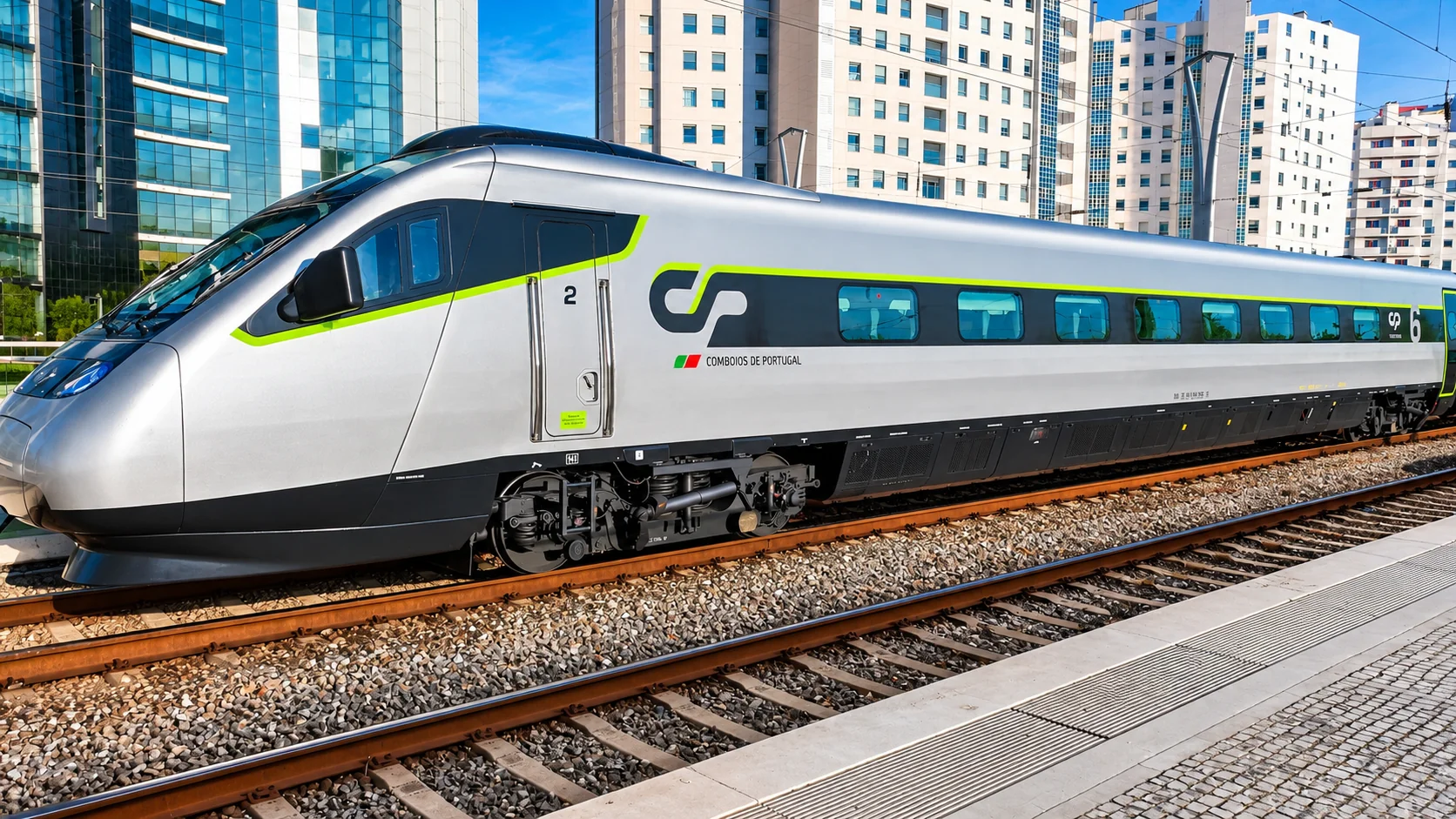
The train is a comfortable city-to-city choice, particularly if you don’t need a car once you arrive.
Portugal’s national railway operator, CP – Comboios de Portugal, runs two main long-distance services on this route: Alfa Pendular and Intercidades.
Alfa Pendular or Intercidades?
Alfa Pendular is generally faster, with fewer stops and reserved seating. It is worth considering when arrival time matters. Check CP for the facilities offered on the service you book.
Intercidades generally takes a little longer because it stops more often. Depending on the departure and how early you book, it may offer better value.
Compare departure times, fares and ticket conditions before choosing. The faster service isn’t necessarily the most convenient.
Which Lisbon station should you use?
Most long-distance Lisbon–Porto services can be boarded at Lisboa Santa Apolónia or Lisboa Oriente, but check the stations shown on your particular ticket.
Santa Apolónia is convenient if you’re staying around Alfama or parts of central Lisbon. Oriente is useful if you’re closer to Parque das Nações or arriving from Lisbon Airport. Neither is automatically best for every visitor: consider the journey from your accommodation, especially with suitcases.
Where do you arrive in Porto?
The main long-distance arrival station is Porto-Campanhã. It is not the same station as São Bento, the famous tiled station in the historic centre.
If you are staying near São Bento, you can look for a connecting urban train or another local transport option from Campanhã. With heavy luggage, a taxi or rideshare straight to your accommodation may be easier, especially if the hotel is on one of Porto’s steep streets.
If you haven’t chosen your accommodation yet, my Where to Stay in Porto guide will help you compare the most convenient neighbourhoods.
Booking tickets and travelling with luggage
Book through the official CP website or app. Booking ahead can help with availability and discounted advance-purchase fares, although those offers have limited seats and their conditions may be less flexible. Always compare the ticket rules before paying.
CP generally permits one hand-luggage item free of charge on these services, provided it fits the available luggage space; handbags and laptops are treated separately. Additional bags may incur a charge. If you have several large suitcases, check the current luggage policy.
Before booking, compare the whole journey from your accommodation in Lisbon to your accommodation in Porto. A slightly slower train may work better once transfers are included.
Lisbon to Porto by Bus

A coach can be a good alternative when keeping costs down matters most. Operators such as FlixBus and Rede Expressos connect the two cities, with different departures and ticket conditions.
Buses are more exposed to traffic, and the cheapest ticket may come with a less convenient departure or arrival time.
Check the terminal, not just the city
In Lisbon, coach services may depart from Oriente or Sete Rios, depending on the operator and departure. In Porto, many services use TIC Campanhã, the intermodal terminal beside the railway station.
A cheap departure from a terminal across Lisbon may not be convenient. Check the exact stop and boarding point printed on your ticket, as these can change.
Most coach tickets include a specified luggage allowance, but this varies by company and fare. Check the rules for large suitcases, extra bags and cancellations before you book.
Lisbon to Porto by Car

The quickest driving route generally follows the A1 motorway north through Central Portugal. Allow roughly three to three and a half hours without sightseeing, depending on your exact start and finish points and the traffic.
I wouldn’t rent a car solely for the transfer. Both cities are easier to explore without one, and the rental adds fuel, tolls and parking to the decision.
What to check before renting
Portugal has motorway tolls, including both conventional toll plazas and roads with electronic collection. Ask your rental company how tolls will be billed, whether a Via Verde device is fitted, and whether there is an additional administration charge. The official Visit Portugal toll guide explains the different systems.
Also check whether there is a one-way drop-off fee for collecting the car in Lisbon and returning it in Porto. If your accommodation is in the historic centre, look into parking before arrival rather than assuming you’ll be able to leave the car nearby.

When a car makes sense
A car gives you the freedom to explore Óbidos, Nazaré and other places that are less convenient to reach by train.
My recommendation: Choose one or two stops if you’re travelling in a day. For a more relaxed trip with Coimbra and Aveiro too, allow two days.
Is It Worth Stopping Between Lisbon and Porto?
Yes, provided you choose stops that suit your transport and allow time to enjoy them.
What can you see along the way?
By train: Coimbra and Aveiro are the most natural possibilities to investigate because they lie on the main north–south rail corridor. If you plan to stop, check train times, whether your tickets need to be booked as separate legs and how you will manage luggage. In Coimbra, the main long-distance stop is Coimbra-B, outside the historic upper town, so factor in the onward connection.
By car: Óbidos and Nazaré combine a medieval walled town with Atlantic coastline. Coimbra and Aveiro can also fit into a longer route, but all four deserve more than a rushed transfer day.
If these stops are the main attraction, allow two days for the journey. Otherwise, travel directly and leave the sightseeing for another part of your trip.
Frequently Asked Questions
What is the quickest way to get from Lisbon to Porto?
The faster Alfa Pendular services are generally the quickest practical option between the city centres. A car may take a similar time on the motorway, but rental collection, return and parking add time.
Can you visit Porto from Lisbon in one day?
It is possible to travel to Porto and back in a day, but you’d spend a substantial part of it travelling. If you want to explore the historic centre, Ribeira and Vila Nova de Gaia without rushing, an overnight stay makes more sense.
Do trains from Lisbon arrive at São Bento Station?
The main long-distance services generally arrive at Porto-Campanhã. São Bento is a separate station in the historic centre, so check the onward connection if that’s where you want to finish.
Can I see Coimbra or Aveiro on the way by train?
Yes, you can plan a stop in either city, but you’ll need to organise the journey as a genuine stopover rather than assume you can leave a direct train and resume later on the same ticket. Check CP’s ticket conditions, onward departure times and luggage arrangements.
Planning More of Your Portugal Trip
Continue exploring Portugal
If you’re spending time in the capital before leaving, my 4 Days in Lisbon itinerary helps you organise the city and a day trip to Sintra. Once you’re in Porto, use the 2 Days in Porto itinerary to explore its main historic sights without cramming everything into one day. If you’re continuing into Portugal’s wine country, see How to Visit the Douro Valley from Porto.

I love exploring new places and sharing the travel tips, food finds, and experiences that help you plan your next adventure.
Related Posts




Personalised travel planning
Bring Your Travel Plans Together
Share your plans and get personalised guidance to help turn them into a trip that feels right for you.
