Your journey, beautifully planned.

Czech Republic Guide for Exploring the Country

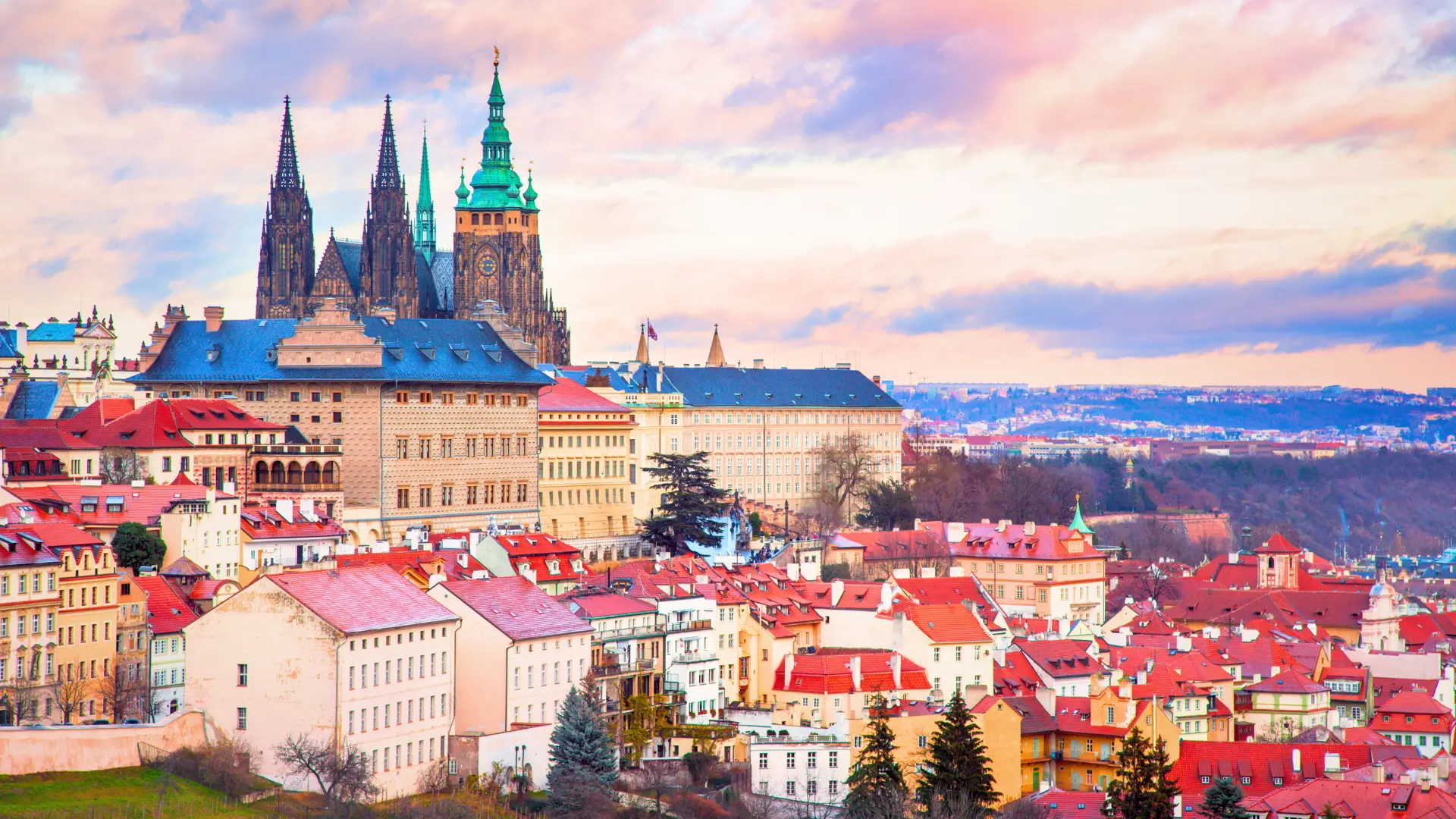
Prague skyline with Prague Castle and St Vitus Cathedral in the Czech Republic.

The Czech Republic, also known as Czechia, is a country in Central Europe between Germany, Austria, Poland, and Slovakia. Many visitors arrive in Prague first, the capital. The city is known for historic buildings, old bridges, and Prague Castle overlooking the Vltava River.

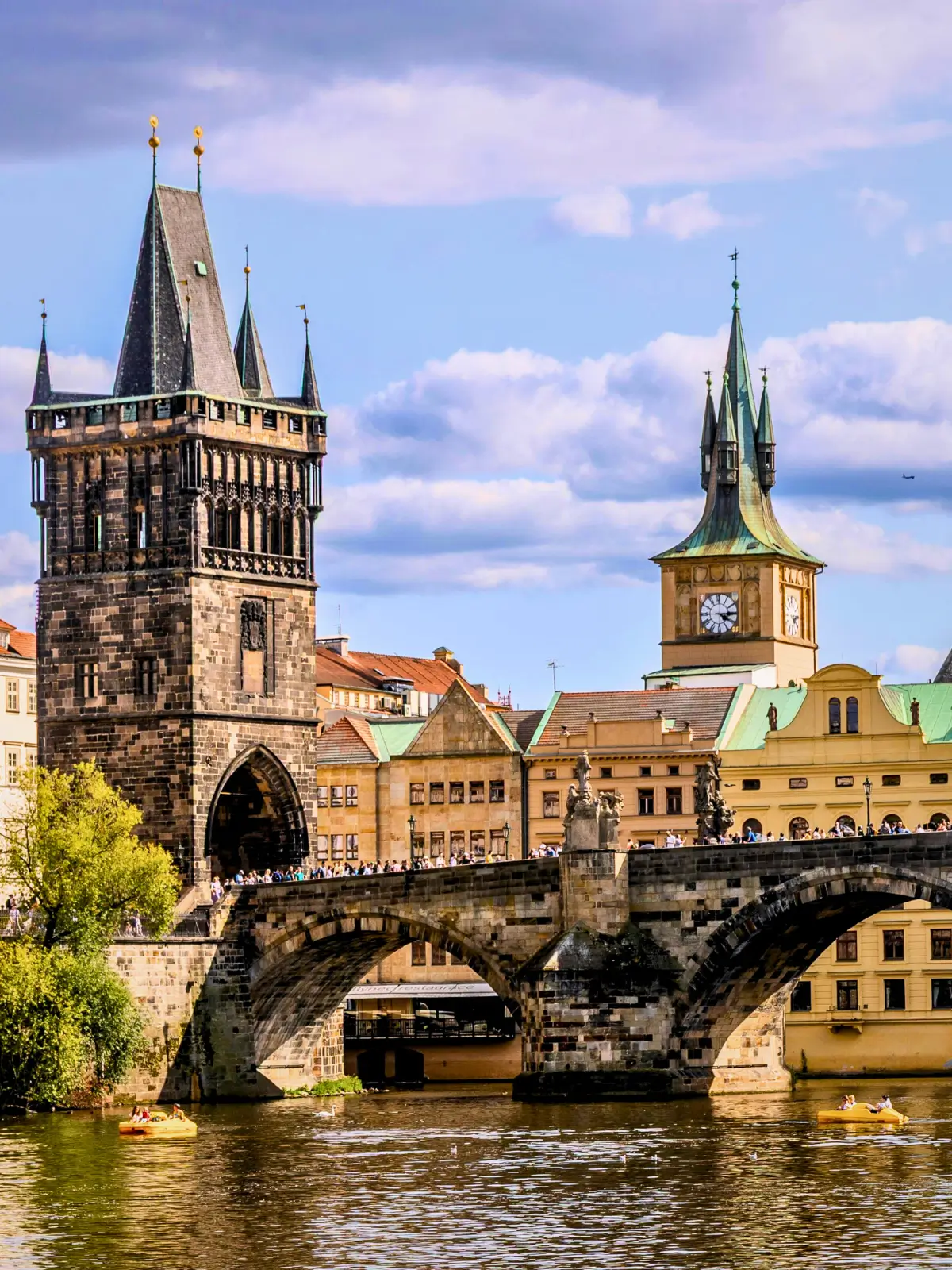
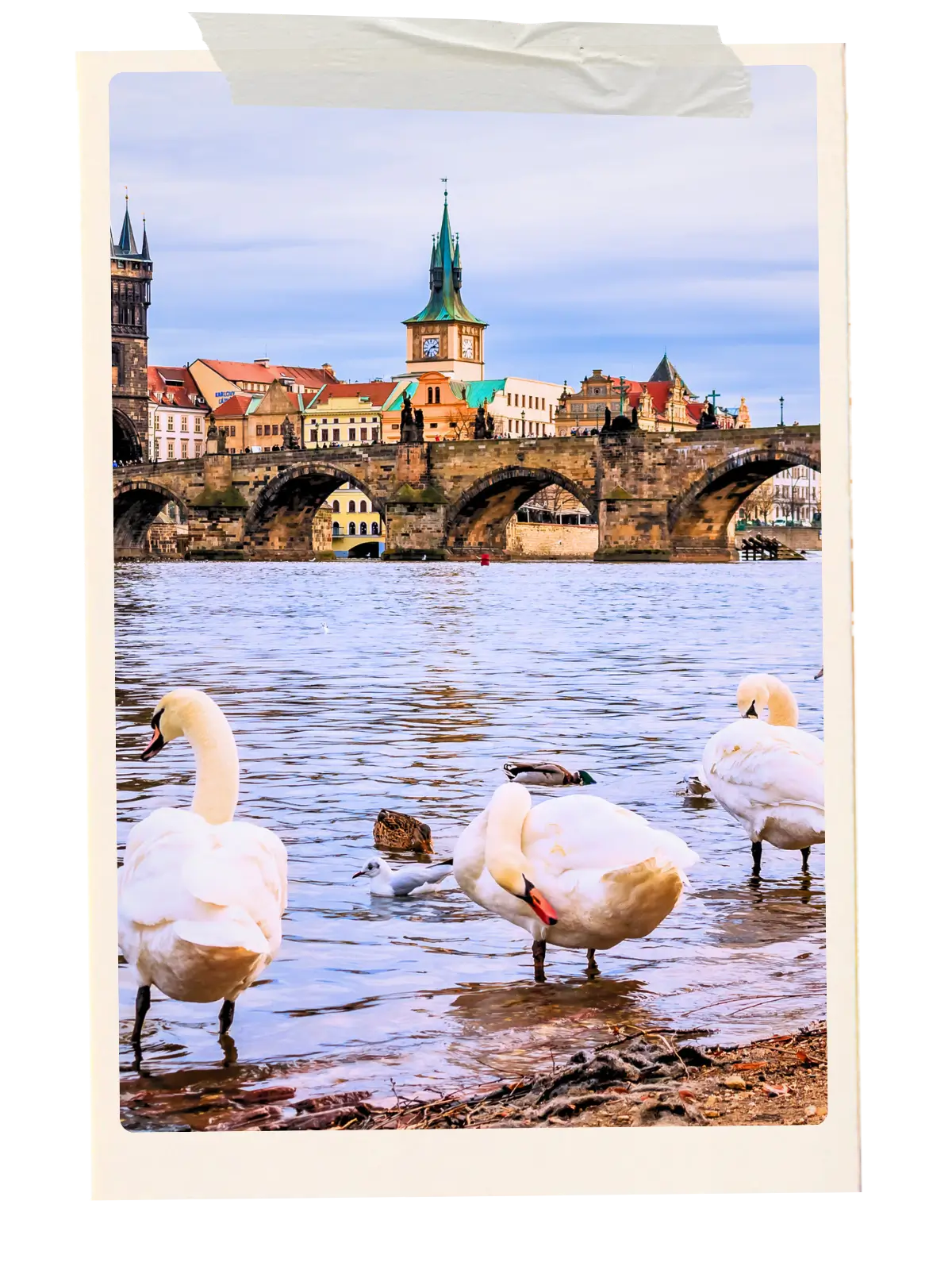
One well-known landmark in Prague is Charles Bridge. The stone bridge crosses the Vltava River and links the historic districts of Prague. 

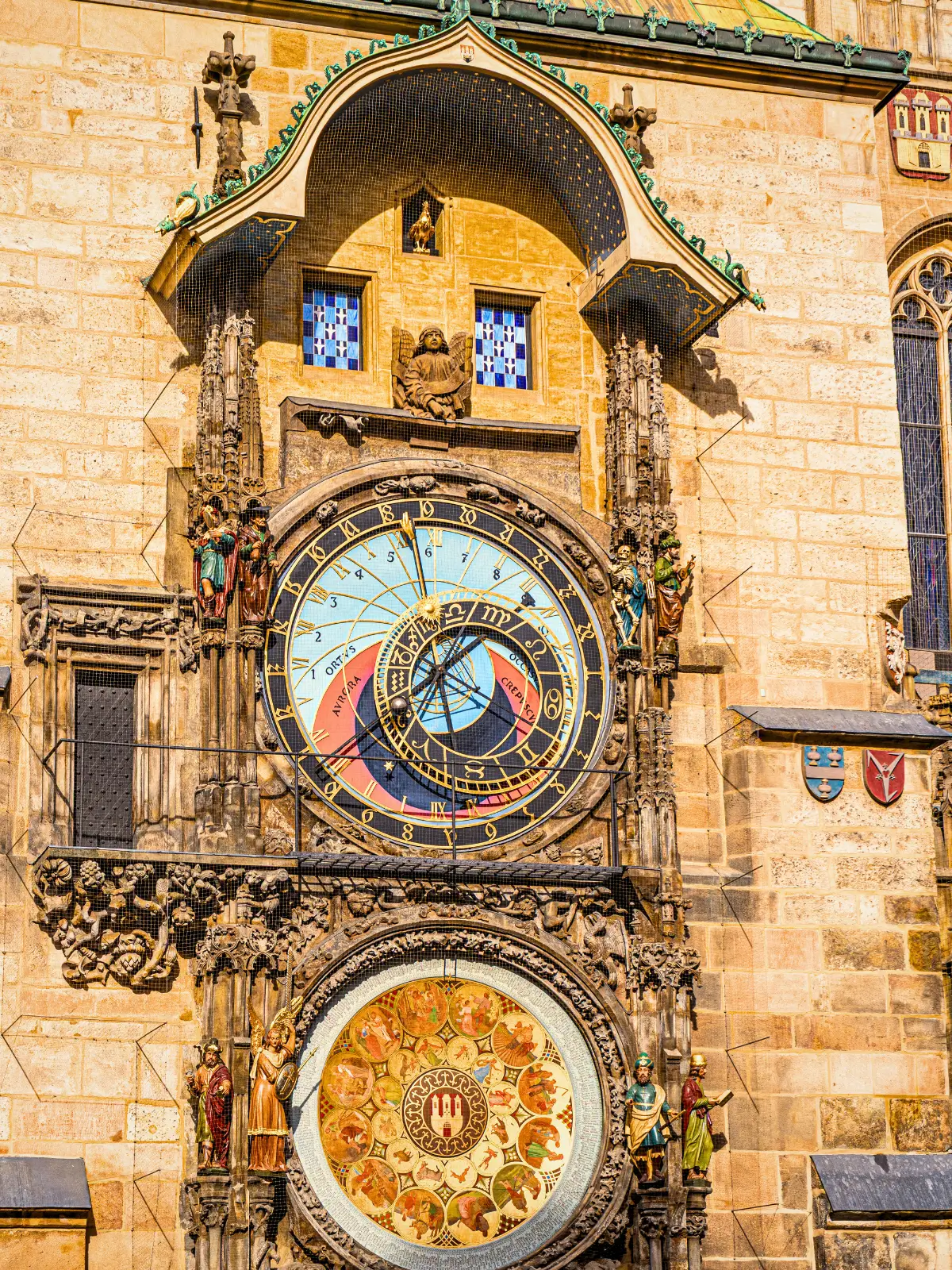
Nearby, Old Town Square draws visitors with its historic buildings and the astronomical clock that has marked the hour since the early 15th century.
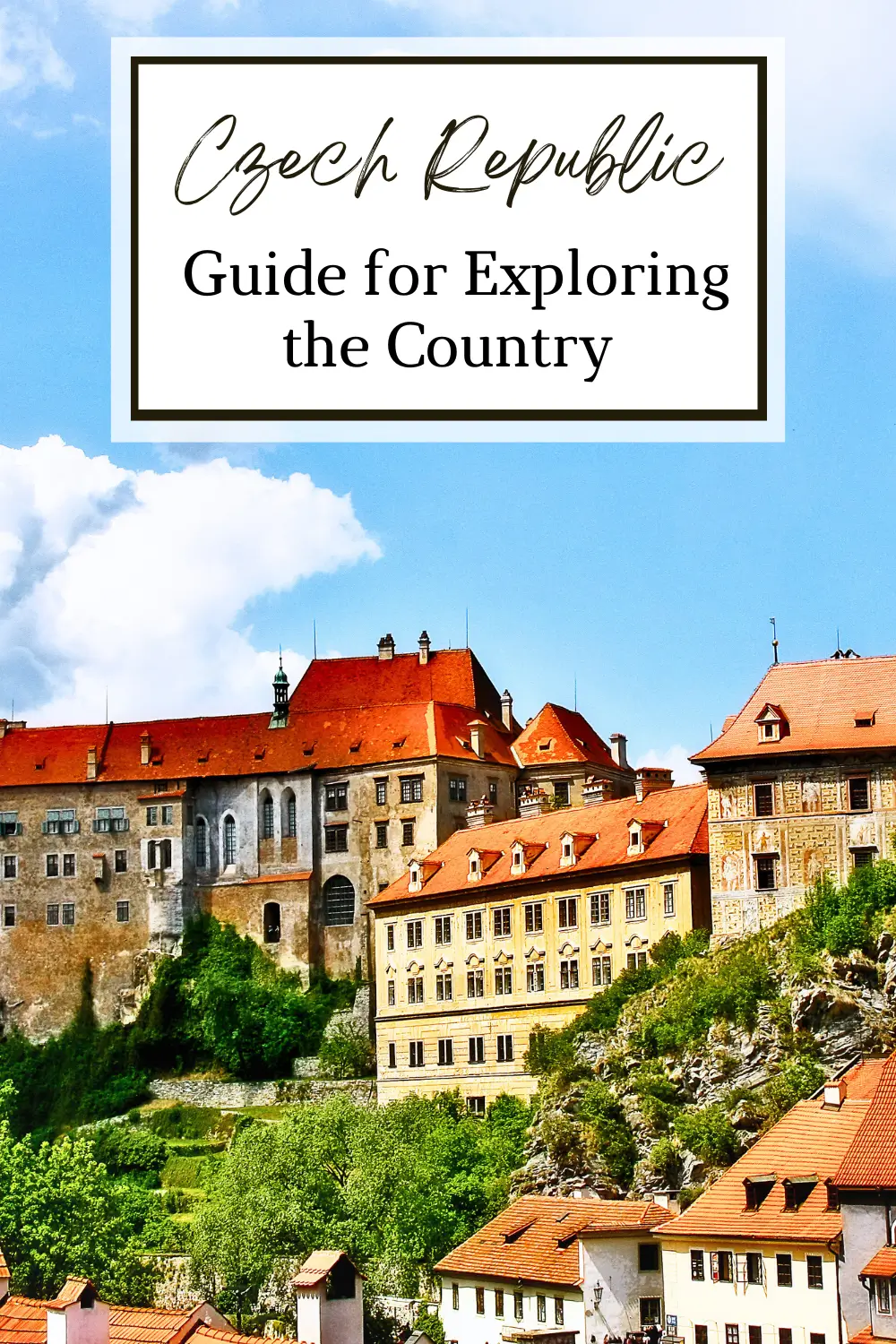
Historic Czech Republic town with castle and red rooftops travel guide cover.

Other towns in the country reflect the same long history. Český Krumlov, for example, stands along the Vltava River with a large castle above the town. Narrow streets and old buildings show how many towns in the Czech Republic developed centuries ago.

Did You Know?

  • The Czech Republic drinks more beer per person than any other country in the world. Brewing traditions go back centuries, and Czech lagers such as the Pilsner style became globally influential.

  • Prague’s astronomical clock is one of the oldest still-operating astronomical clocks in the world. Installed in 1410, it attracts visitors with its hourly mechanical display.

  • The Czech Republic gave the world the word “robot”. Writer Karel Čapek introduced it in his 1920 play R.U.R., deriving the term from the Czech word robota, meaning forced labour.

  • The landscape contains more than 2,000 castles, chateaux, and historic ruins. These sites reflect centuries of Central European history.

  • The Czech Republic is home to Prague Castle, the largest ancient castle complex in the world. The vast complex has served as the seat of Czech rulers for more than a thousand years.

  • The world’s first sugar cube was invented here in 1843 after a Czech inventor searched for an easier way to portion sugar.

  • Bohemian crystal from this region became famous worldwide for its craftsmanship and decorative glassmaking tradition.

  • Mushroom picking is a long-standing national hobby. Many families visit forests in autumn to gather wild mushrooms.

I love exploring new places and sharing the travel tips, food finds, and experiences that help you plan your next adventure.

Join the
Journey

Sign up for new itineraries, travel notes, and practical guides to help you explore the places I love most.

Best Time to Visit the Czech Republic

Late spring and early autumn are great times to visit the Czech Republic. May, June, and September usually bring mild weather. These months are comfortable for walking around cities and visiting castles. Parks are green, and many cafés open their outdoor terraces.
Summer is the busiest season. Festivals and cultural events happen across the country. Prague and other historic towns attract many visitors. The long daylight hours give you more time to explore.
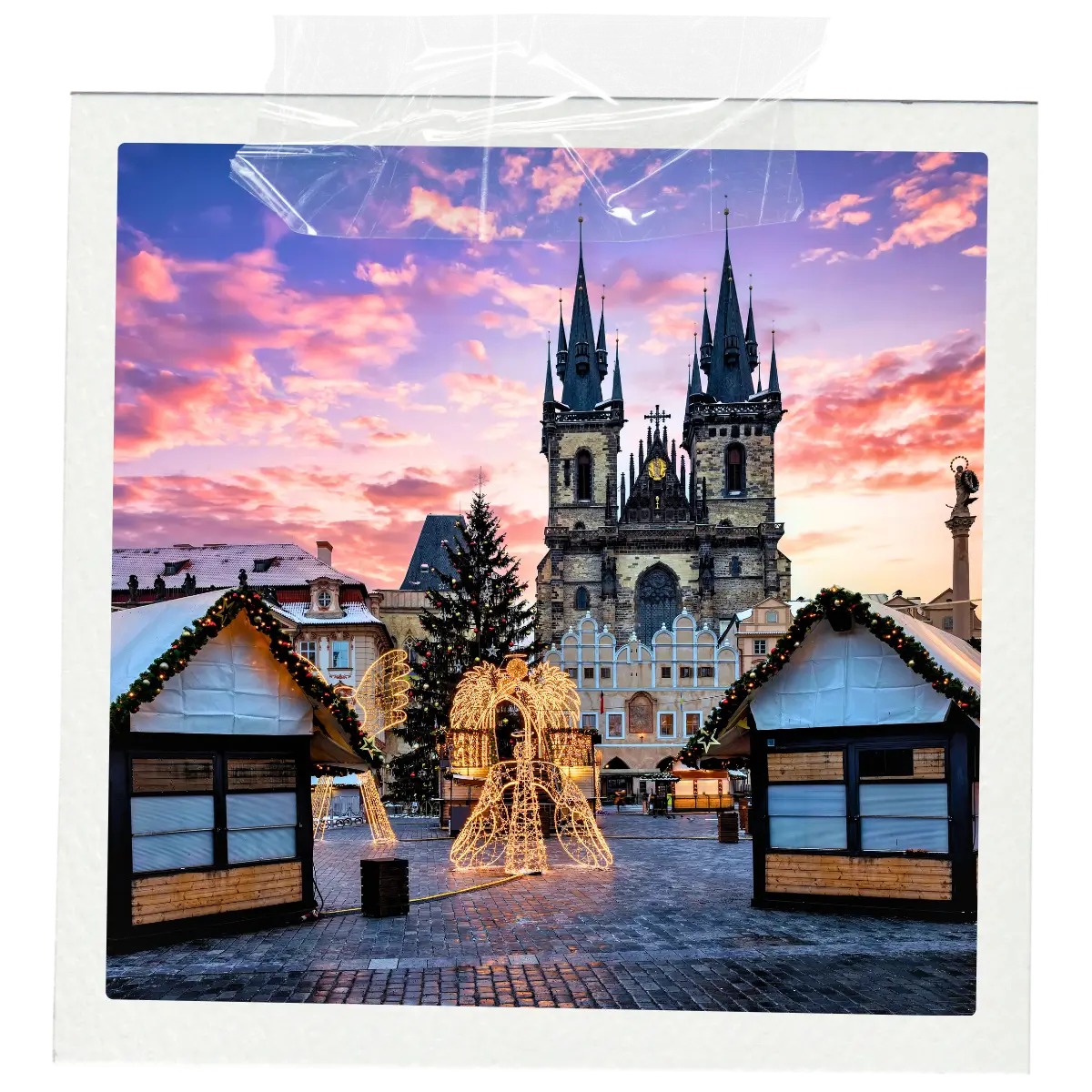
December offers a different experience. Christmas markets fill the town squares. Lights and decorations appear across the cities. It can be cold, but the festive atmosphere makes winter visits special.
Warm Months Transitional Months Cool Months

Czech Republic At A Glance

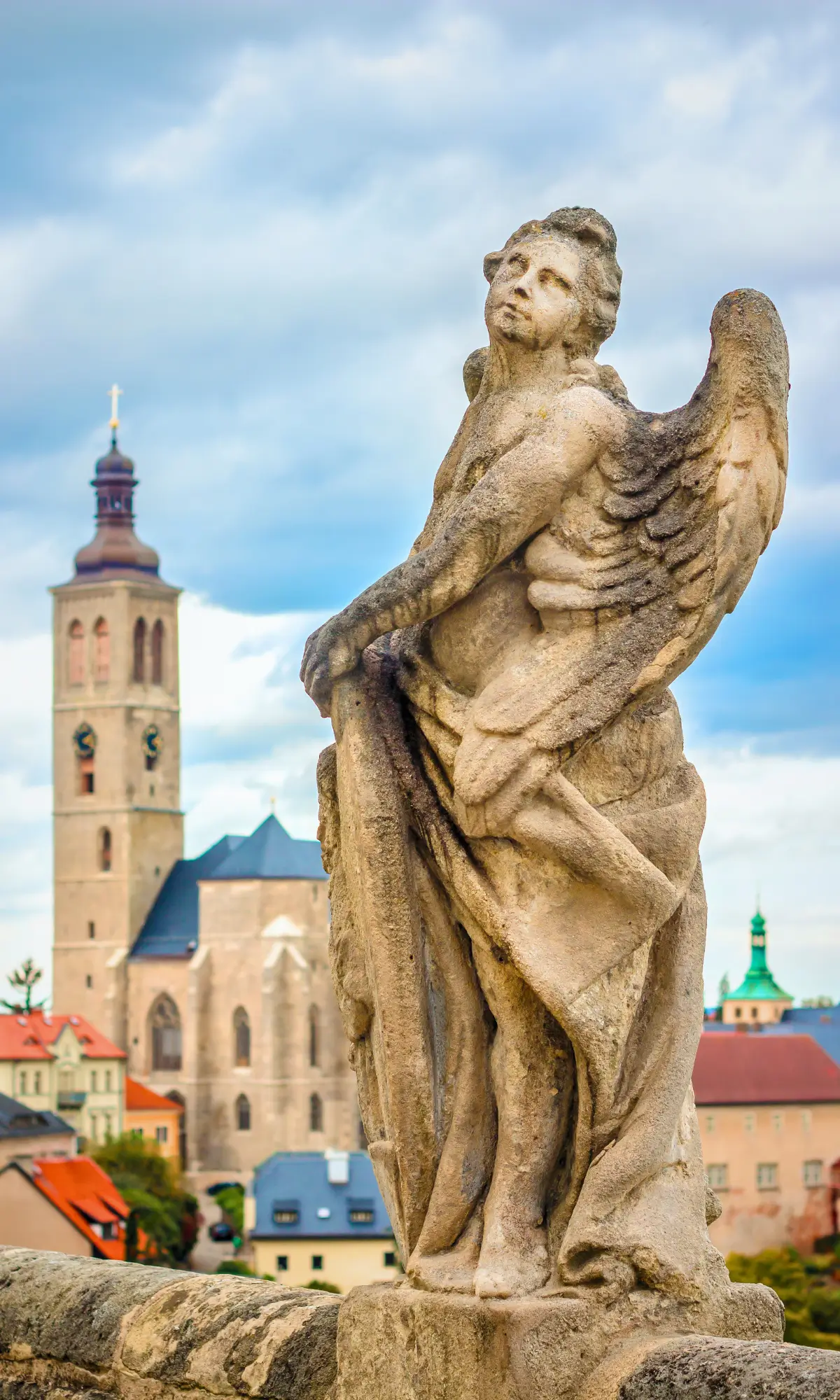
Baroque statue overlooking Kutná Hora with St. Barbara’s Cathedral and historic rooftops in the background.
Language selection icon showing two speech bubbles with letter A and Chinese character.

Language

Czech is the official language. People speak it across the country. English appears in tourist areas and many hotels, especially in Prague.

Illustration of a money bag with dollar symbol next to stacked coins.

Currency and Costs

Czech Koruna (CZK). Approximate rate: 1 USD ≈ 20–21 CZK, though exchange rates change. Expect moderate costs overall. Prices are higher in Prague and major tourist areas

Mobile payment icon with credit card and phone showing confirmed payment

Payments

Hotels, restaurants, and larger shops accept credit and debit cards. Many travellers use cards for most purchases. Carry some cash for small cafés, markets, and taxis.

Hand holding a dollar sign and heart icon representing tipping.

Tipping

Tipping is common but not required. People usually leave about 10% in restaurants if the service is good. Rounding up the bill is also common.

Shield with checkmark and padlock as safety icon.

Safety

The country is generally safe for travellers. Take normal precautions in busy areas and crowded tourist spots.

Wi-Fi connectivity icon for travel and accommodation.

Connectivity

Mobile coverage is strong in cities and towns. Hotels and cafés usually offer Wi-Fi.

A Detailed Czech Republic Itinerary

This 7-day route follows a practical loop through Bohemia and Moravia, keeping travel distances manageable. Prague serves as both arrival and departure point. 

The itinerary works well using trains and regional buses, although car hire can simplify the countryside segments in South Bohemia. Accommodation changes remain limited and allow most days to focus on exploring rather than relocating.

Day 1: Arrival in Prague

Arrival at Václav Havel Airport, followed by transfer into the historic centre.

Staying near the river or Old Town keeps the first day simple and walkable.

Suggested Stay: Hotel Pod Věží – boutique hotel near Charles Bridge

Base: Prague

Highlights

  • Charles Bridge
  • Vltava riverfront
  • Old Town streets

Day 2: Prague – Castle District

The hill above the river contains several of the city’s most significant landmarks. Exploration remains within the castle district and the surrounding Malá Strana neighbourhood.

Suggested Stay: Hotel Pod Věží – boutique hotel near Charles Bridge

Base: Prague

Highlights

  • Prague Castle
  • St. Vitus Cathedral
  • Golden Lane
  • Malá Strana square

Day 3: Prague – Historic Centre

Focus shifts to the eastern bank of the Vltava where the medieval centre forms a dense network of streets around Old Town Square.

Suggested Stay: Hotel Pod Věží – boutique hotel near Charles Bridge

Base: Prague

Highlights

  • Prague Astronomical Clock
  • Old Town Square
  • Jewish Quarter
  • Wenceslas Square

Day 4: Prague to Český Krumlov

Travel moves south through the Bohemian countryside. Direct buses and trains connect the cities in roughly 3 hours.

Suggested Stay: Hotel Ruže – historic luxury hotel inside the Old Town

Route: Prague to Český Krumlov

Highlights

  • South Bohemian countryside
  • Český Krumlov Castle
  • Vltava river bend
Charles Bridge with Old Town Bridge Tower and historic buildings along the Vltava River in Prague, Czech Republic.
Prague Astronomical Clock on the Old Town Hall facade in Prague’s Old Town Square.

Day 5: Český Krumlov

Český Krumlov is compact and easy to explore on foot. The historic centre sits within a bend of the Vltava River, with streets, viewpoints, and the castle complex all within short walking distance.

Suggested Stay: Hotel Ruže – historic luxury hotel inside the Old Town

Base: Český Krumlov

Highlights

  • Český Krumlov Castle
  • Old Town Square
  • Baroque Theatre
  • Vltava river viewpoints

Day 6: Český Krumlov to Brno

Travel continues east into the Moravian region. The journey usually takes about 4 hours by train with 1 connection, passing through smaller towns and countryside before reaching Brno.

Suggested Stay: Grandezza Hotel Luxury Palace – luxury hotel in Brno historic centre

Route: Český Krumlov to Brno


Highlights

  • Špilberk Castle
  • Cathedral of St Peter and Paul
  • Freedom Square

Day 7: Brno to Prague

Return north to Prague by direct train, which usually takes around 2.5 hours. The remainder of the day can stay flexible before departure from Prague.

Suggested Stay: Courtyard by Marriott Prague Airport – airport hotel

Route: Brno to Prague

Highlights

  • Moravian countryside
  • Prague skyline on arrival
Beige washi tape strip with soft torn edges on a transparent background.

Things To Know Before Visiting Czech Republic

1. Validate Your Public Transport Ticket

Prague’s trams, buses, and metro use a proof of payment system. You must validate paper tickets in the yellow machines before boarding.

Inspectors check randomly, and travelling without a validated ticket can lead to a fine.

2. Use Official Exchange Offices or Bank ATMs

Some exchange offices in tourist areas advertise good rates but add high commissions. Many travellers lose money this way. Bank ATMs or reputable exchange offices usually offer fairer rates.

3. Beer Culture Is Taken Seriously

The Czech Republic has the highest beer consumption per person in the world. In traditional pubs, servers may keep a tally of drinks to track your order. Beer is often served very fresh with a thick foam.

Most pubs serve beer in half-litre glasses, written as 0.5 L on menus. Smaller glasses, such as 0.3 L, are also common. If you don’t drink alcohol, most pubs and restaurants also offer soft drinks, juices, or non-alcoholic beer.

4. Look for Menu Prices Outside Restaurants

Many restaurants display their menus outside the entrance. Checking prices before sitting down helps avoid tourist trap pricing in busy areas.

5. Visit Charles Bridge Early or Late

Charles Bridge is one of Prague’s most famous landmarks and becomes crowded quickly during the day. Early morning or evening visits make it easier to enjoy the views.

6. Check Castle and Museum Opening Hours

Many castles and historic sites close earlier than visitors expect, especially outside the main summer season. Always check opening times before planning your visit.

7. Watch for Trams in City Streets

Trams run frequently through city centres, especially in Prague. They usually have priority on the road, so always check tram tracks carefully before crossing.

How to Get There

International Flights

Most visitors arrive at Václav Havel Airport Prague, the largest airport in the Czech Republic. It serves as the country’s main international gateway. Flights connect Prague with many cities across Europe and several long-haul destinations.
Prague also works as a travel hub. From the city, you can continue to other Czech destinations by train or bus.

Entry Requirements

The Czech Republic is part of the Schengen Area. Many travellers can enter visa-free for up to 90 days within a 180-day period, depending on nationality.
Your passport should usually remain valid for at least 3 months after you leave the Schengen Area. Immigration officers may ask for proof of accommodation, onward travel, or sufficient funds.

Arriving Overland

The Czech Republic borders 4 countries, including Germany, Austria, Poland, and Slovakia. Travellers often arrive by train or bus from nearby cities.
Rail and bus routes connect Prague with places like Vienna, Berlin, Budapest, and Bratislava. These connections run frequently and make overland travel straightforward.

What to Expect

Cobblestone Streets in Historic Areas

Many historic districts use cobblestone paving. The stones can feel uneven underfoot. Wear comfortable shoes and avoid dragging heavy luggage through Old Town streets.

Hearty Traditional Food

Czech cuisine focuses on filling dishes. Expect roasted meats, dumplings, soups, and rich sauces. Portions are often large in traditional restaurants.

Self-Service in Some Casual Spots

Some cafés and beer halls ask guests to order at the bar or counter. If no server approaches your table, check the counter first.

Smaller Towns Feel Different From Prague

Prague attracts most international visitors. Smaller towns feel more local and slower-paced. English appears less often outside major tourist areas.

Public Toilets Often Require Coins

Public toilets in stations, malls, and tourist areas often charge a small fee — usually around 10–20 CZK (about $0.40–$0.90 USD). Keep coins handy when exploring.

Prague skyline and Charles Bridge viewed from the Vltava River with swans.
Christmas market in Prague Old Town Square with festive lights and church towers in Czech Republic.

Getting Around Czech Republic

Public Transport

Prague runs a reliable public transport network. Trams, buses, and the metro cover most parts of the city.
Visitors can use the same ticket across the system. Buy your ticket before travelling and validate it before the first ride.

Trams

Trams run frequently across Prague. Many routes pass through historic districts and near major attractions.
They are often the easiest way to move around the city centre.

Metro

Prague’s metro has 3 lines called A, B and C. Trains move quickly across the city and connect major transport hubs. 

Use the metro when travelling longer distances.

Trains for Day Trips

Regional trains make exploring outside Prague easy. You can reach places like Kutná Hora, Karlštejn Castle and Plzeň in about 1 to 2 hours.
Trains run regularly throughout the day.

Walking

Many historic areas are compact and easy to explore on foot. Old Town, Lesser Town and Prague Castle sit within walking distance.
Wear comfortable shoes because cobblestone streets are common.

Join the
Journey

Sign up for new itineraries, travel notes, and practical guides to help you explore the places I love most.

Portrait of Manu smiling against a neutral background.

I love exploring new places and sharing the travel tips, food finds, and experiences that help you plan your next adventure.

Leave a Comment

Your email address will not be published. Required fields are marked *

Scroll to Top
Ultimate packing checklist travel guide cover with tropical beach background.