How to Plan a Trip to Cortina for the 2026 Winter Olympics
Cortina d’Ampezzo will host part of the 2026 Winter Olympics alongside Milan. The town already hosted the Winter Games once in 1956, so this isn’t new territory. Even so, visiting during the Olympics won’t feel like a regular ski trip.
During the Games, hotels will book out earlier than usual and roads near competition areas will carry more traffic. Certain ski runs will also not be open to the public on race days.
If you’re thinking about going, timing and preparation will matter more than usual.
The Olympic Events in Cortina
Cortina won’t host every Winter Olympic sport. The town focuses on specific mountain and ice events, and they’re split between the ski slopes and a dedicated sliding centre. That matters when planning where to stay and how to structure your days.
Some events take place high up on the mountain. Others happen closer to town. Travel time between them won’t be huge, but it won’t be instant either, especially with event traffic.
Alpine Skiing
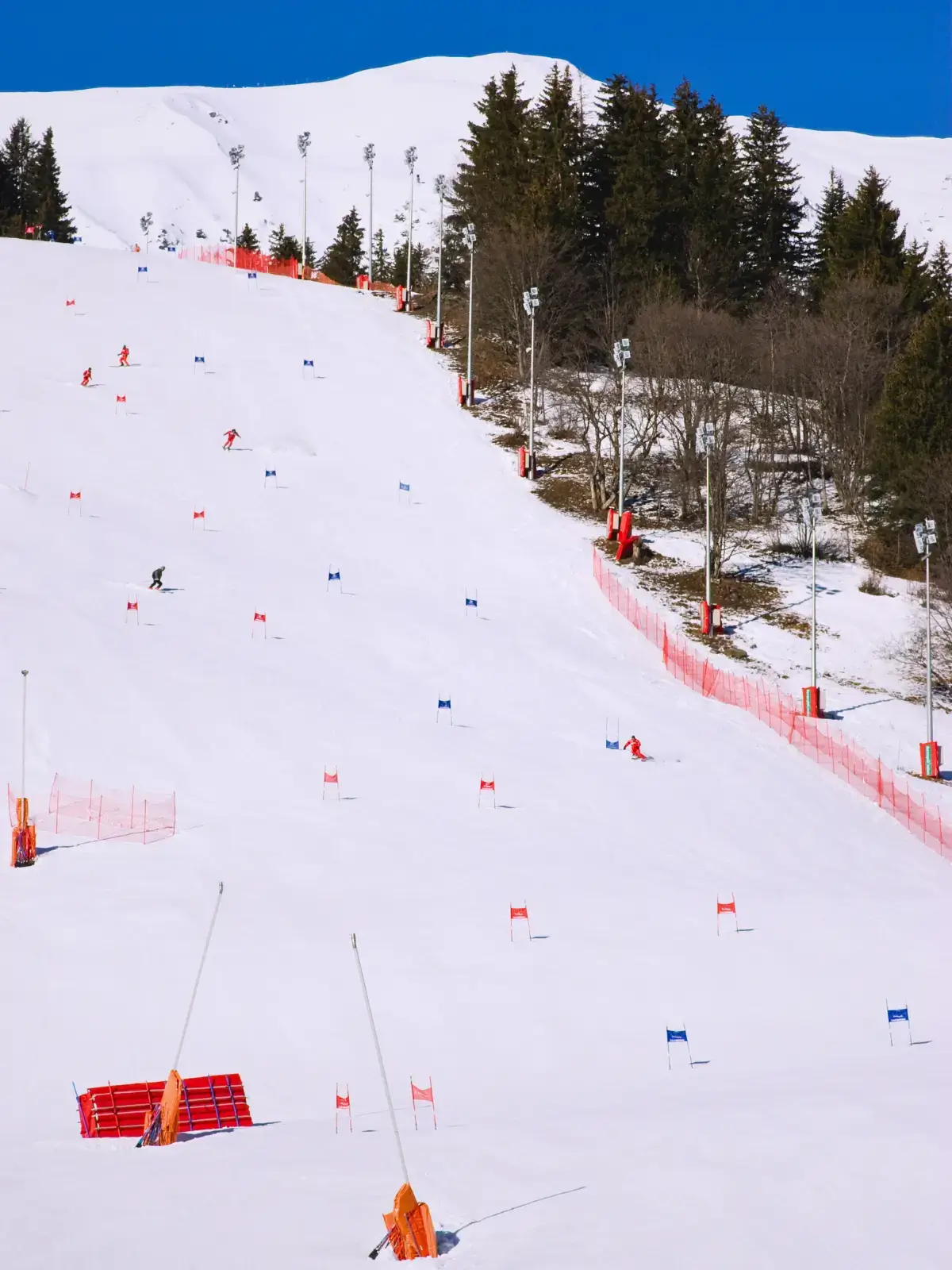
Alpine skiing will happen in the Tofane area, one of Cortina’s main ski zones. These slopes already host international competitions, so the infrastructure is well established.
During race days, parts of the mountain will be closed to the public. You won’t have full access to every run while events are happening. Spectator areas will be set up along the course, and those days will feel noticeably busier.
If you want to ski and attend events, look closely at the race calendar before choosing your dates. On non-competition days, the mountain will feel more open. Other ski areas across the Dolomites will also remain accessible.
Bobsleigh
Bobsleigh events will take place at the sliding centre. The races move quickly, and the viewing areas usually line sections of the track.
Because the venue is structured around the ice course, space can feel tighter compared to ski events. Plan your arrival carefully and dress warmly. You’ll likely stand outside for extended periods.
Skeleton
Skeleton shares the sliding track with bobsleigh and luge. Athletes race head-first on small sleds, and each run lasts only a short time.
Since these sliding sports share one venue, check session times before deciding which events to attend. It’s easier to plan your day when you focus on one session rather than trying to move between multiple sliding events.
Luge
Luge also runs on the same track. Athletes lie on their backs and steer using subtle shifts in body weight.
The atmosphere will feel similar to skeleton and bobsleigh, so your decision may come down to timing rather than the sport itself.
Curling
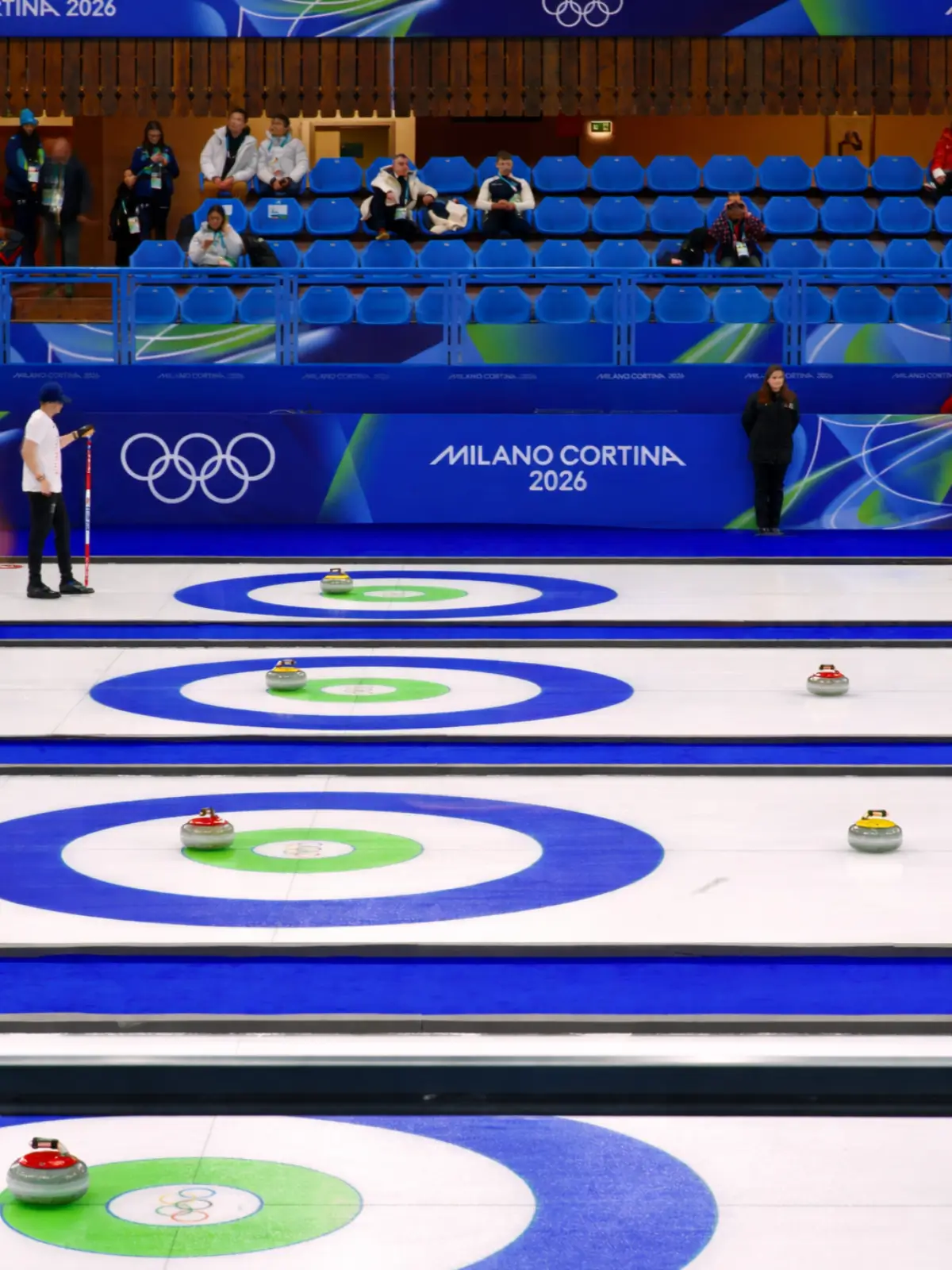
Curling will be held indoors in town. It offers a completely different experience from the outdoor events. You won’t need to factor in freezing temperatures or mountain transport.
If you want a more relaxed event day or need a break from standing in the cold, curling can be easier to fit into your schedule.
Practical Planning for the Olympics
1. Book Your Accommodation First
Cortina already sees high winter prices. During the Olympics, availability will shrink quickly and rates will increase. Hotels in the centre, especially near Corso Italia, will likely fill first.
Many properties may introduce minimum stay requirements during peak competition days. If you’re travelling with friends or family, renting a larger apartment can lower the cost per person and give you more flexibility.
Staying in nearby towns can work, but commuting requires realistic planning. Travel between towns and venues will take longer on event days.
Planning Note
If you’re still deciding where to stay, the Cortina guide breaks down the different areas so you can see which one fits your trip best.
2. Plan Transport with Extra Time
Expect road restrictions near venues. Shuttle services will likely operate, but they’ll follow event schedules rather than flexible tourist timing.
If you rent a car, confirm parking arrangements with your accommodation before you arrive. Do not assume you’ll be able to park near competition sites.
Once you’re in central Cortina, you won’t need a car for daily movement. The town centre is easy to walk. The challenge comes when moving between venues or travelling in from outside town.
Build extra time into your day, especially when attending events with fixed start times.
3. Understand Ski Access During Competition Days
You can still ski during the Games, but access will change in certain areas. The Tofane slopes will host alpine events, which means some runs will close on race days.
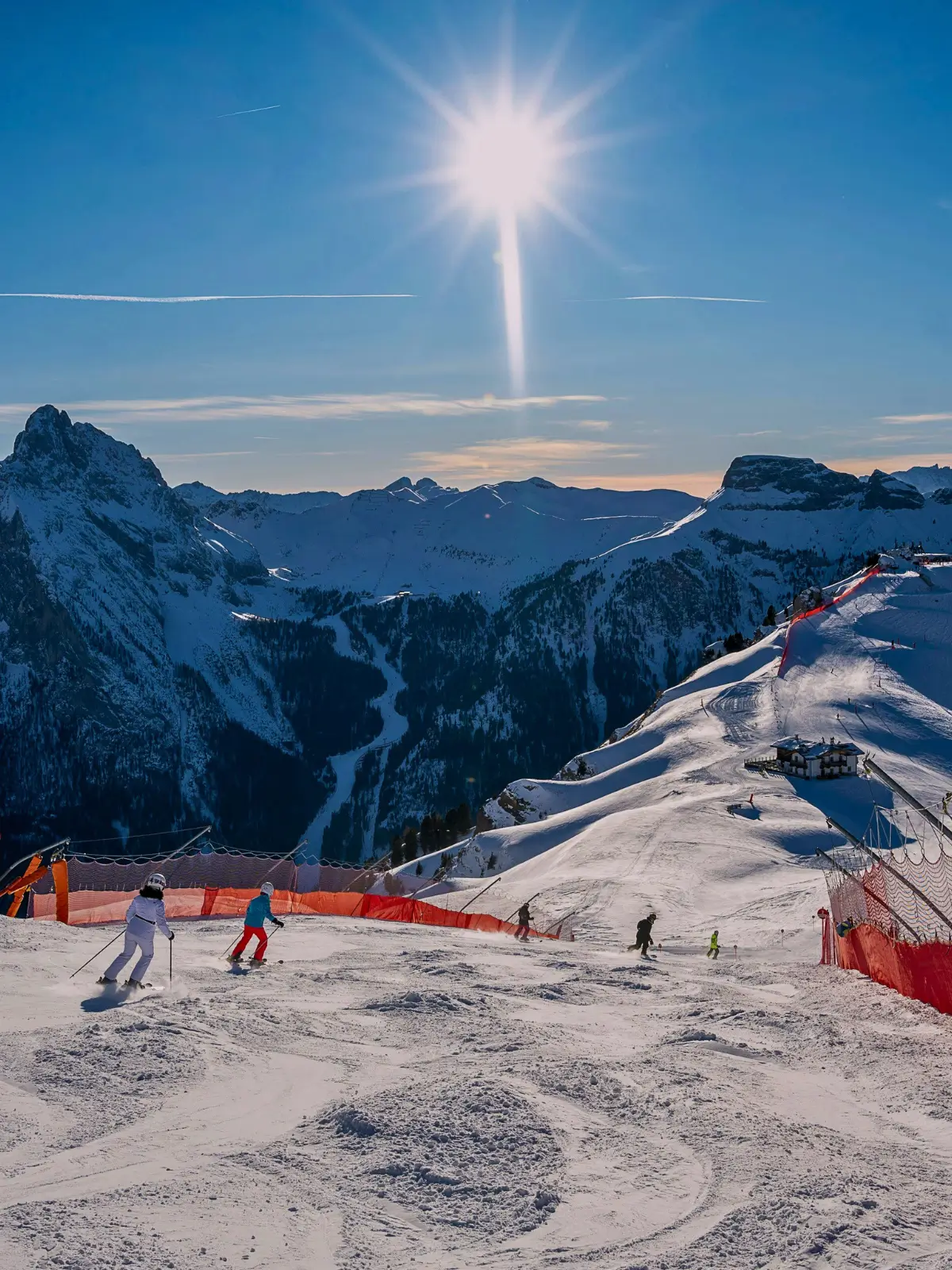
Other ski areas across the Dolomiti Superski network will remain open. If skiing is your main priority, compare your travel dates with the competition calendar before booking. That small step can prevent frustration later.
For a deeper look at the ski zones themselves, the Things to Do post covers them in detail.
4. Make Restaurant Reservations Early
Cortina focuses more on restaurants and wine bars than loud après-ski scenes. During the Olympics, those dining spots will feel busier, especially in the evenings after major events.
Reserve dinner ahead of time whenever possible. Waiting until the last minute may leave you with limited options.
Mountain huts near competition areas may also see heavier traffic on race days.
5. Budget Realistically
Cortina is already one of Italy’s more expensive alpine destinations. During the Olympics, costs will rise across accommodation, dining, and transport.
Hotel rates will increase, especially in central areas. Restaurants will experience higher demand. Car rentals and transfers may cost more and sell out earlier. Ski rentals and lessons will also see heavier booking traffic.
Booking early gives you more control over pricing and availability. Travelling in a group and sharing accommodation can help manage costs.
6. Dress for Standing Outdoors
Watching events means spending long stretches outside without moving much. Cold temperatures feel different when you’re stationary.
Bring proper winter boots with grip, warm layers, gloves, and a hat. Even if you aren’t skiing, dress as if you are.
7. Leave Space in Your Schedule
Avoid filling every hour with fixed plans. Weather can change quickly in the mountains. Transport can slow down. Giving yourself one flexible day reduces stress.
Practical Planning for the Olympics
That depends on what kind of experience you want.
If you enjoy major sporting events, it can be a good time to visit. Watching alpine skiing in the Dolomites in person is a very different experience from watching it at home.
If you prefer fewer crowds, easier bookings, and a slower pace around town, another winter season may suit you better.
Cortina will still feel like Cortina during the Olympics. The town itself is not expected to change dramatically, but it will be busier than usual, especially around hotels, restaurants, and transport.
Planning early will make a big difference. It also helps to balance competition days with time exploring the town and the surrounding mountain areas beyond the Olympic venues.