Your journey, beautifully planned.

Visiting Cortina d’Ampezzo in the Dolomites

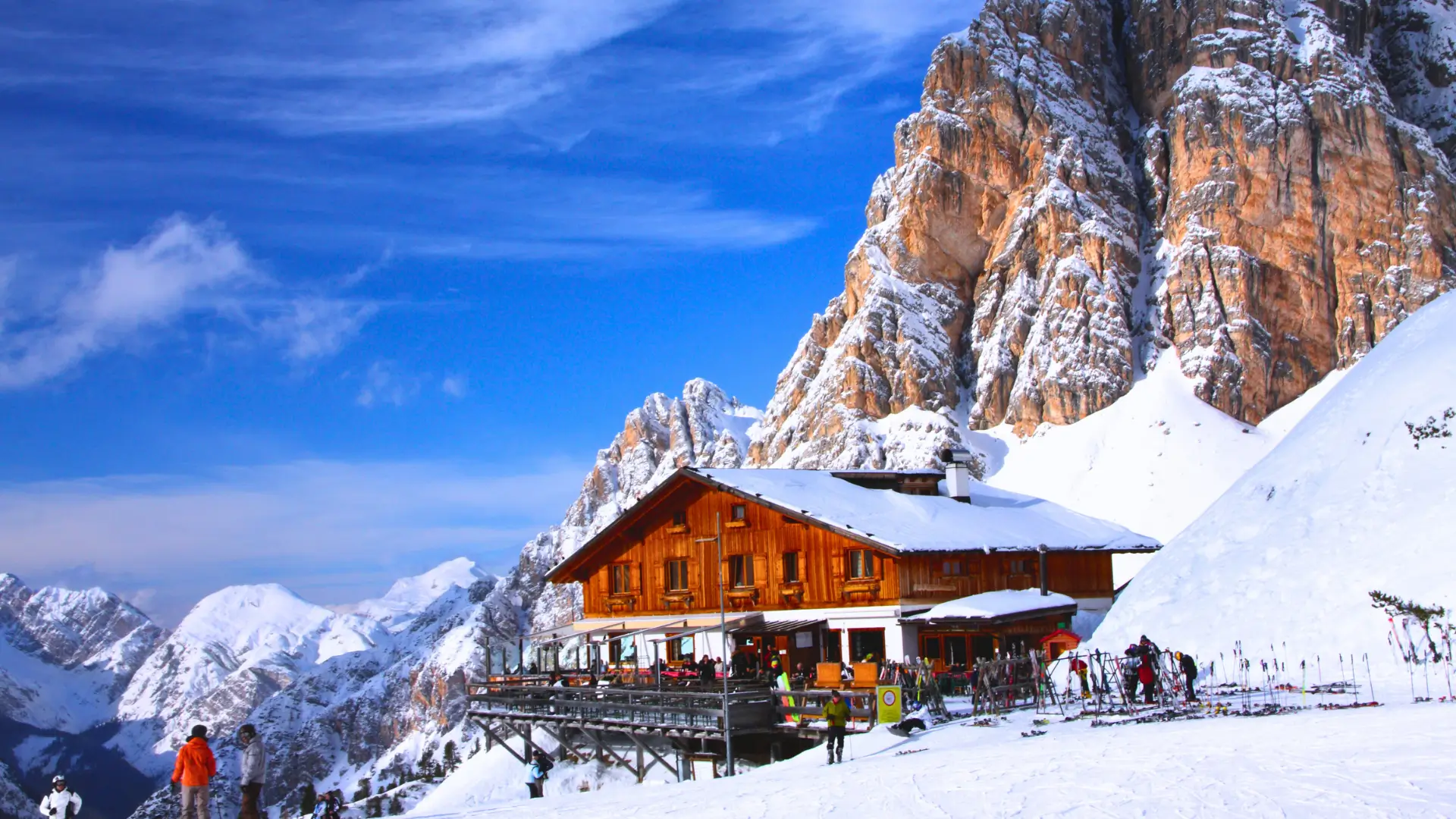
Mountain hut on snowy slopes in Cortina d’Ampezzo with the Dolomites.

Often referred to as the “Queen of the Dolomites,” Cortina d’Ampezzo has a long-established alpine lifestyle shaped by history, culture, and social life.

Set at 1,224 metres, the town sits in a broad, sunlit valley and has drawn visitors for generations. It gained international attention during the 1956 Winter Olympics and is now preparing to host the Milano Cortina 2026 Games.

Much of daily life centres on Corso Italia. The street is car-free and easy to walk on. Luxury boutiques sit alongside galleries and long-standing hotels. It remains the social heart of town, especially in winter.
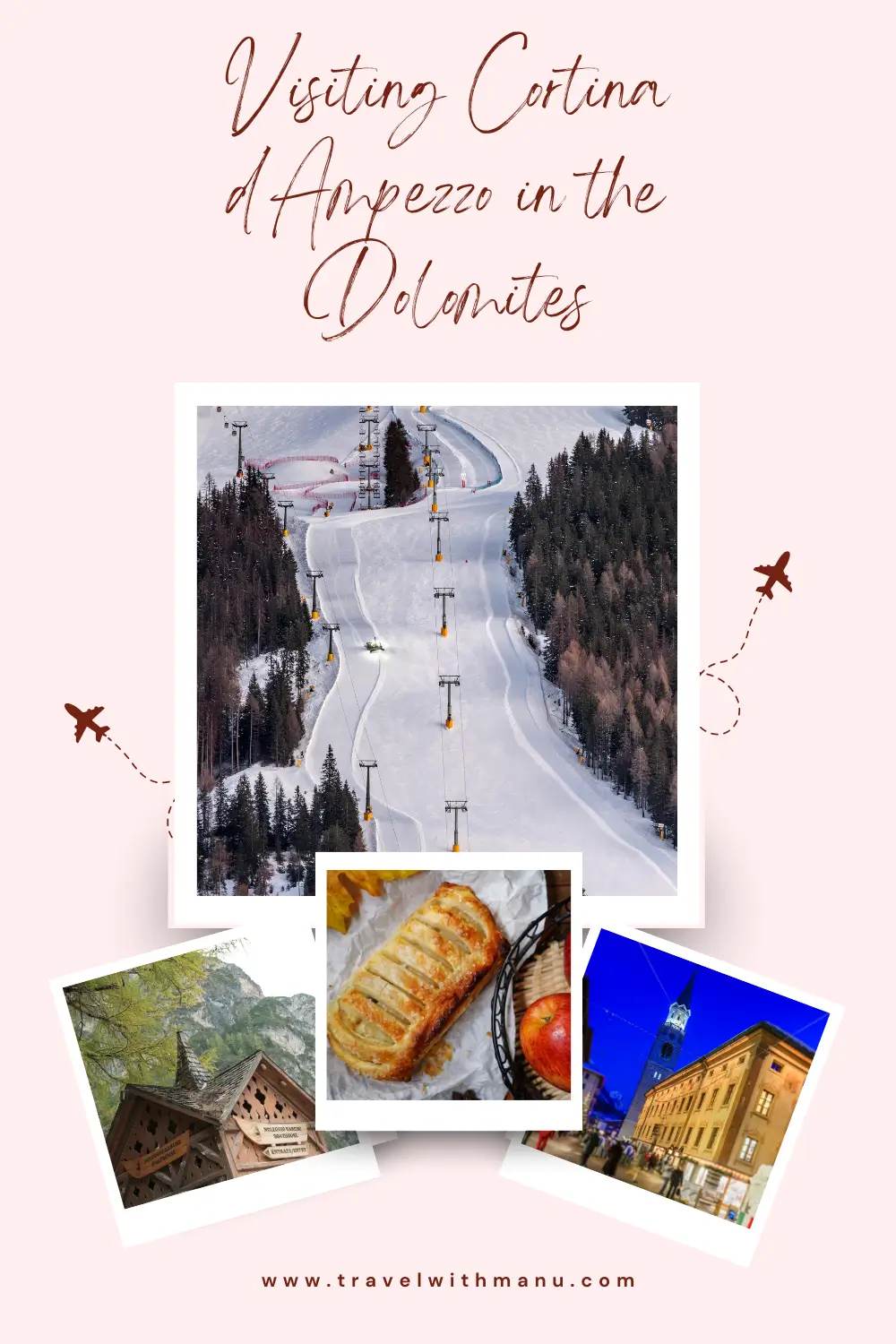
Pinterest graphic for visiting Cortina d’Ampezzo in the Dolomites.

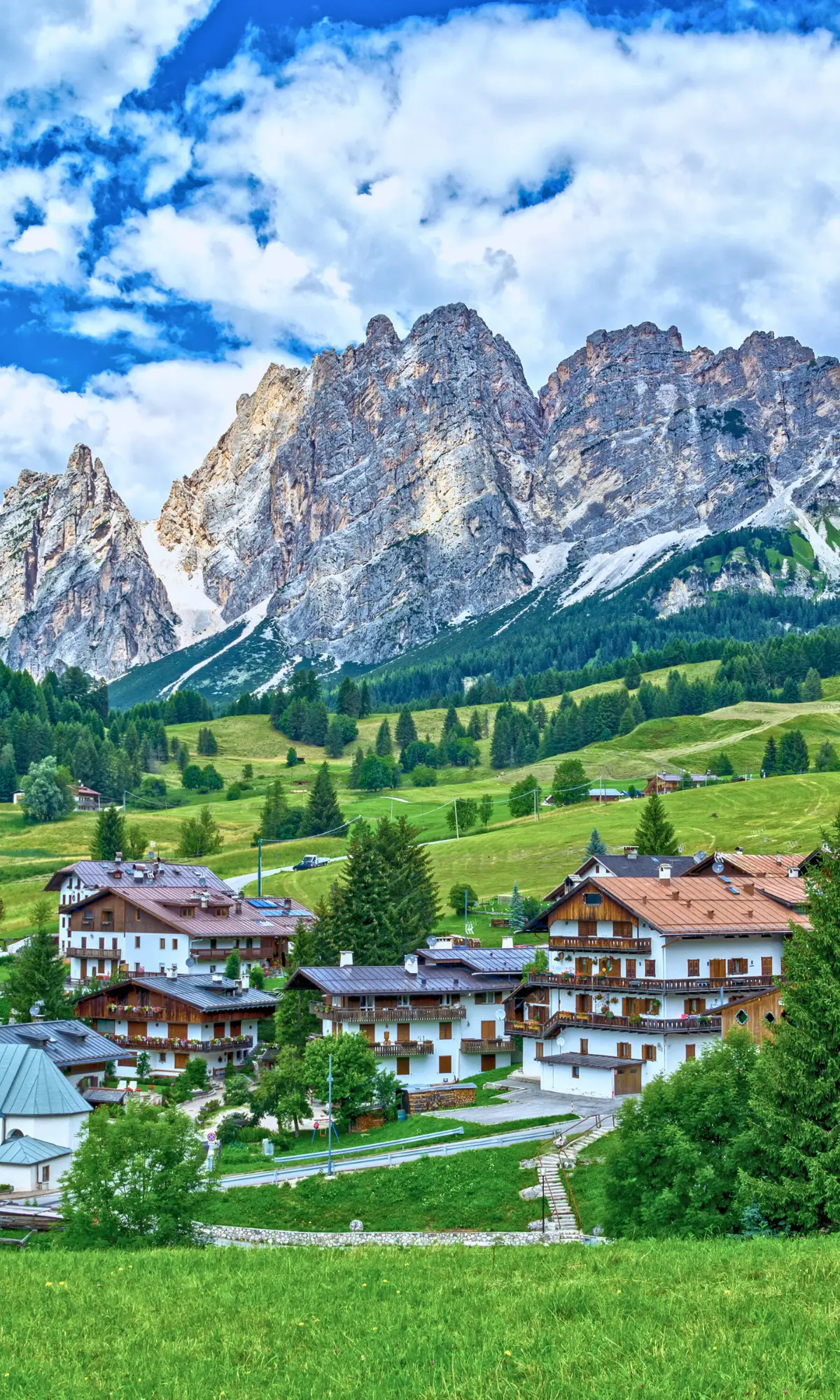
Cortina lies beneath the Tofane and Cristallo peaks. At sunset, the rock faces turn pink in a natural phenomenon known as Enrosadira. The mountains are part of daily life here, not just a backdrop.

Did You Know?

  • Cortina will host the Winter Olympics for the second time in 2026, exactly 70 years after the 1956 Games that first put the town on the international map.

  • The pink glow on the mountains at sunset is called Enrosadira. It comes from the mineral composition of the Dolomite rock.

  • Cortina developed around local life long before it became a ski destination, which is why it feels like a working town rather than a purpose-built resort.

  • The Dolomites were once part of a tropical seabed millions of years ago, which explains their distinctive rock formations.
Portrait of Manu smiling against a neutral background.

I love exploring new places and sharing the travel tips, food finds, and experiences that help you plan your next adventure.

Join the
Journey

Sign up for new itineraries, travel notes, and practical guides to help you explore the places I love most.

Cortina d’Ampezzo at a Glance

Language selection icon showing two speech bubbles with letter A and Chinese character.

Language

Italian is spoken locally. English is widely used in hotels, restaurants, and ski services. Basic Italian phrases are helpful, especially in smaller shops and mountain huts.

Illustration of a money bag with dollar symbol next to stacked coins.

Currency and Costs

Euro (EUR). Exchange rates vary. Cortina is one of the most expensive alpine destinations, particularly during winter and peak travel periods.

Mobile payment icon with credit card and phone showing confirmed payment

Payments

Visa and Mastercard are widely accepted. Contactless payment is common. Cash is useful for small cafés, taxis, and mountain huts.

Hand holding a dollar sign and heart icon representing tipping.

Tipping

Tipping is not expected. Service charges may already be included. Rounding up or leaving small change is appreciated but optional.

Shield with checkmark and padlock as safety icon.

Safety

Generally safe for visitors. Standard precautions apply in busy areas during peak seasons and major events.

Wi-Fi connectivity icon for travel and accommodation.

Connectivity

Reliable mobile coverage throughout town. Free Wi-Fi is common in hotels and cafés. SIM and eSIM options are easy to find across Italy.

How to Get There

Fly Into Northern Italy

Cortina does not have its own airport, but it is easy to reach from nearby hubs. Venice Marco Polo Airport is the most convenient option with strong international connections.
Treviso Airport serves many budget airlines. Innsbruck in Austria also works well if travelling through the Alps.

From Venice to Cortina

From Venice, the drive takes around two hours through mountain scenery and alpine towns. Renting a car offers flexibility, especially in winter or when exploring the Dolomites.
Direct buses and shuttle services also run from Venice Airport and Venice Mestre to Cortina. These are reliable and widely used during ski season.

Arriving by Train

Cortina does not have a train station. The closest stations are Calalzo di Cadore and Dobbiaco, with onward bus or taxi connections into town.

For general entry requirements and overland travel into Italy, see our Italy travel guide.

What to Expect

Lift Bases Are Outside the Main Street

Most ski lifts are not directly on Corso Italia. You’ll walk or take a bus to reach them. Check which lift area is closest to your hotel before booking.

Cortina Is Walkable

The town centre is small. You can cross it in about 10–15 minutes. You don’t need a car once you’re in town unless you plan to visit nearby lakes or different ski zones.

Après-Ski Is Low-Key

Cortina does not have a loud party scene like some Austrian resorts. Evenings focus more on restaurants and wine bars than large outdoor après events.

Mountain Huts May Not Take Cards

Some rifugi accept cards, but not all. Carry some cash when skiing or hiking in more remote areas.

Hotel Rates Change by Season

Winter peak weeks can cost significantly more than summer or shoulder season. The same room may vary sharply in price depending on timing.
Beige washi tape strip with soft torn edges on a transparent background.

Where to Eat

Mountain Huts (Rifugi)

Mountain huts serve traditional alpine dishes that are rich and hearty. You’ll find polenta with slow-cooked meats, sliced speck, mushroom risotto, dumplings, and hot soups made with barley or vegetables.
Portions are generous and ingredients are local. Butter, cheese, and cured meats are used often. Desserts usually include apple strudel or simple cakes.

Restaurants in Town

In the centre of Cortina, restaurants offer a mix of regional and Italian dishes. Menus often include handmade pasta, slow-cooked meats, venison, freshwater fish, and seasonal vegetables. Butter-based sauces, mountain cheeses, and cured meats appear frequently.
Some restaurants keep traditional recipes, while others adjust presentation slightly, but the ingredients remain regional.

Cafés and Pastry Shops

Corso Italia has several cafés and pastry shops serving espresso, cappuccino, hot chocolate, and baked goods throughout the day.
You’ll find fruit tarts, cream-filled pastries, chocolate cakes, and slices of apple strudel. Many places also serve light savoury options like focaccia or small sandwiches.

Local Specialties to Try

Casunziei is a local stuffed pasta, often filled with beetroot or spinach and served with butter and poppy seeds. 

Strudel di mele is common, made with thin pastry and spiced apples. You’ll also notice dishes influenced by Tyrolean cooking, including dumplings, smoked meats, and hearty stews.

Where to Stay for a Visit to Cortina d’Ampezzo

Grand Hotel Savoia Cortina d’Ampezzo

Grand Hotel Savoia is a historic hotel located in the centre of town, close to Corso Italia and the main ski lifts. Rooms follow a classic alpine style.

The property includes a restaurant, bar, spa, and indoor pool.

Location: Corso Italia, central Cortina d’Ampezzo

Price: $$$$

Type: Luxury Hotel

Hotel Tofana Cortina

Hotel Tofana sits in the Pocol area above town, close to the Tofana ski zone. It offers quick access to the Freccia nel Cielo cable car and panoramic mountain views.

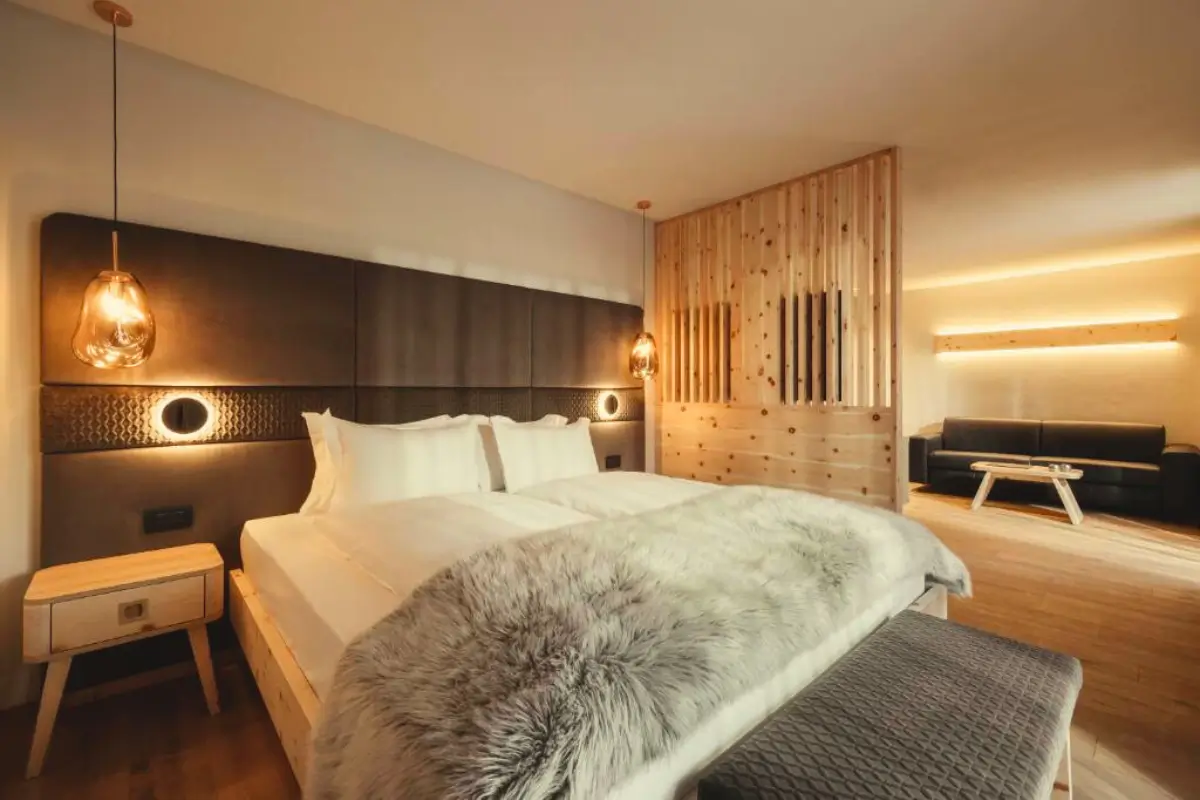
Rooms are modern alpine in design. The hotel includes a wellness area, spa facilities, and an on-site restaurant.

Location: Pocol area, Tofana ski zone

Price: $$$$

Type: Alpine Hotel

Rosapetra Spa Resort

Rosapetra Spa Resort is located in the Zuel di Sopra area, around a five-minute drive from Corso Italia. It’s quieter than staying in the centre and surrounded by forested slopes.

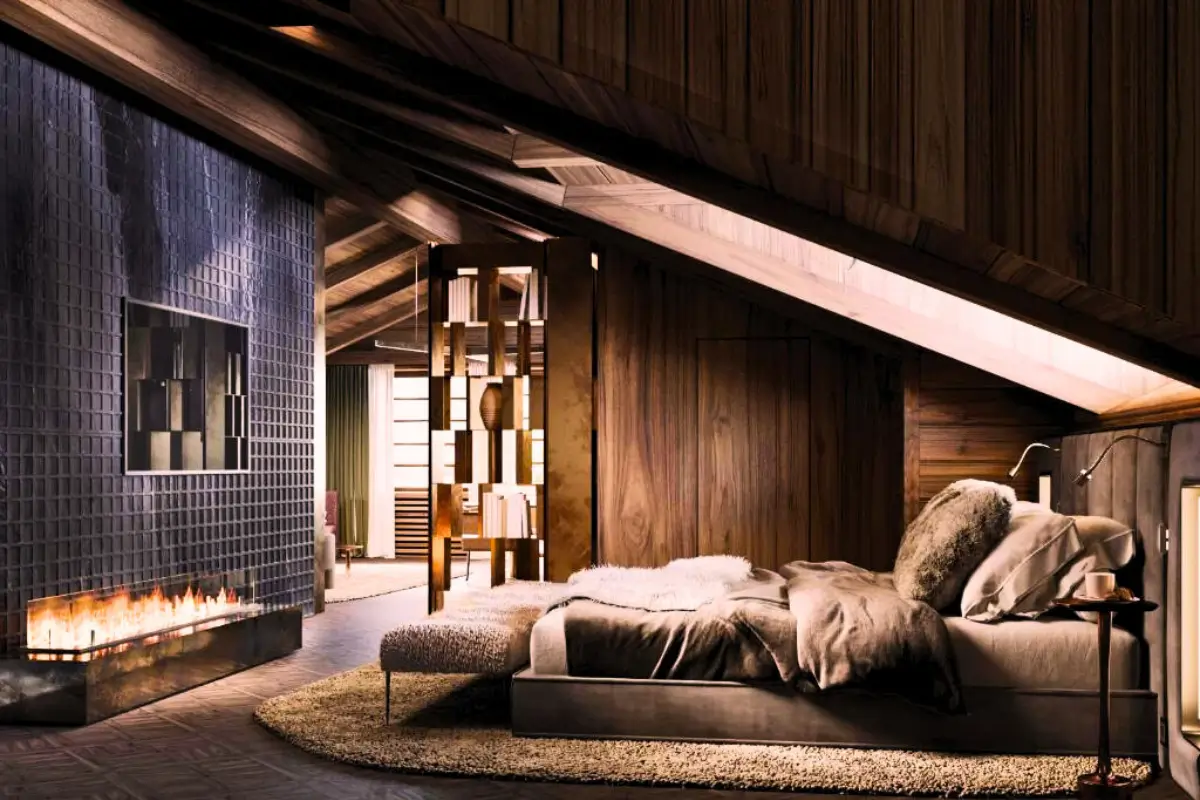
Rooms combine wood and stone finishes. The property includes a spa, indoor pool, and a restaurant focused on regional cuisine.

Location: Zuel di Sopra, just south of town

Price: $$$$

Type: Boutique / Spa Hotel

Flavours of Cortina

If you’d like to recreate some of the dishes you’ll see around Cortina, you can find these recipes on Manu’s Menu, reflecting flavours common across the Dolomites and the surrounding alpine region:

Hot Chocolate

Served thick in many mountain cafés, hot chocolate is often closer to melted chocolate than a standard drink.

Strudel di Mele (Apple Strudel)

Apple Strudel is a thin pastry filled with sliced apples, sugar, cinnamon, and raisins. Found in both mountain huts and town cafés.

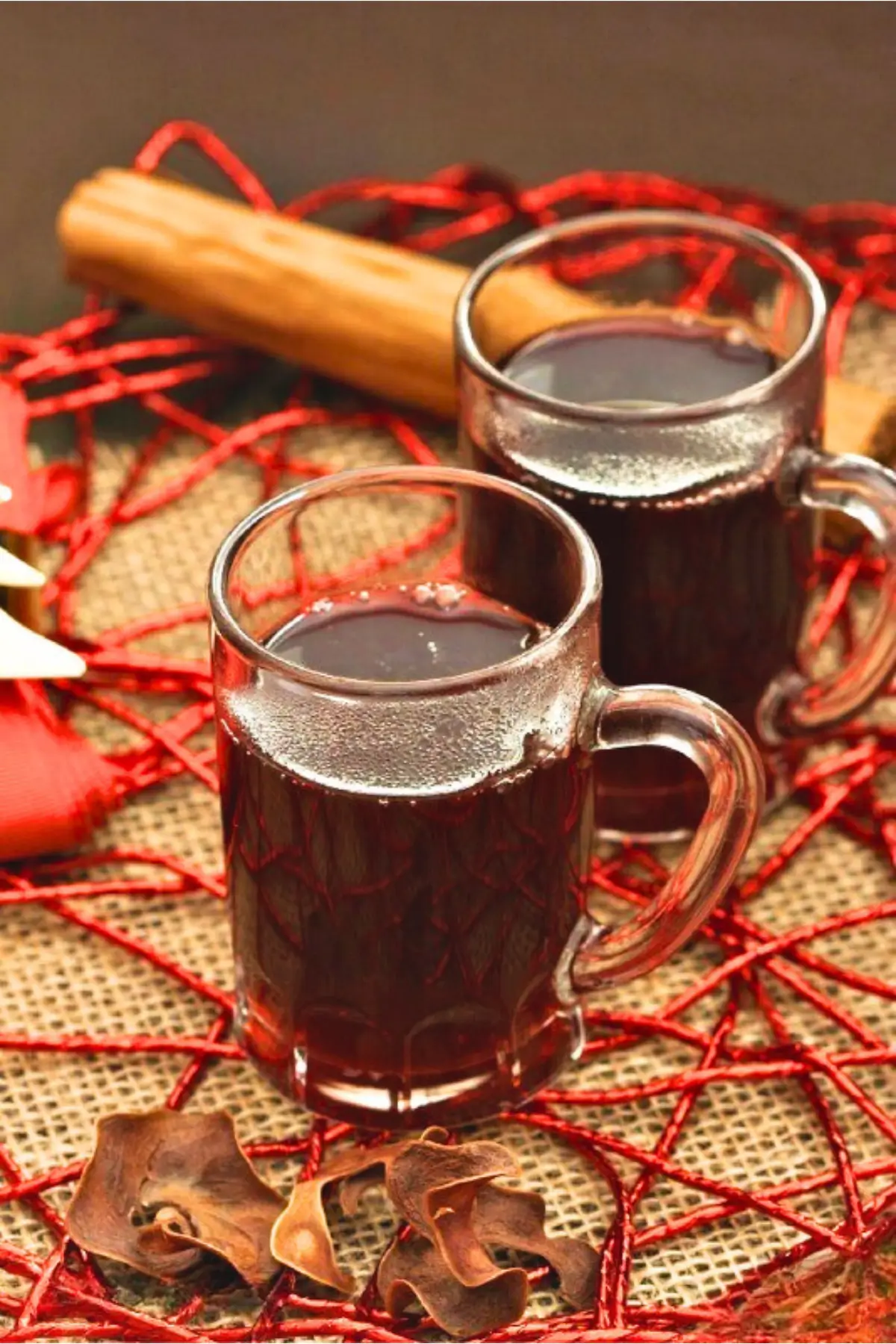
Vin Brûlé

Italian mulled wine made with red wine, citrus peel, cloves, and warming spices. Common during winter markets and ski season.

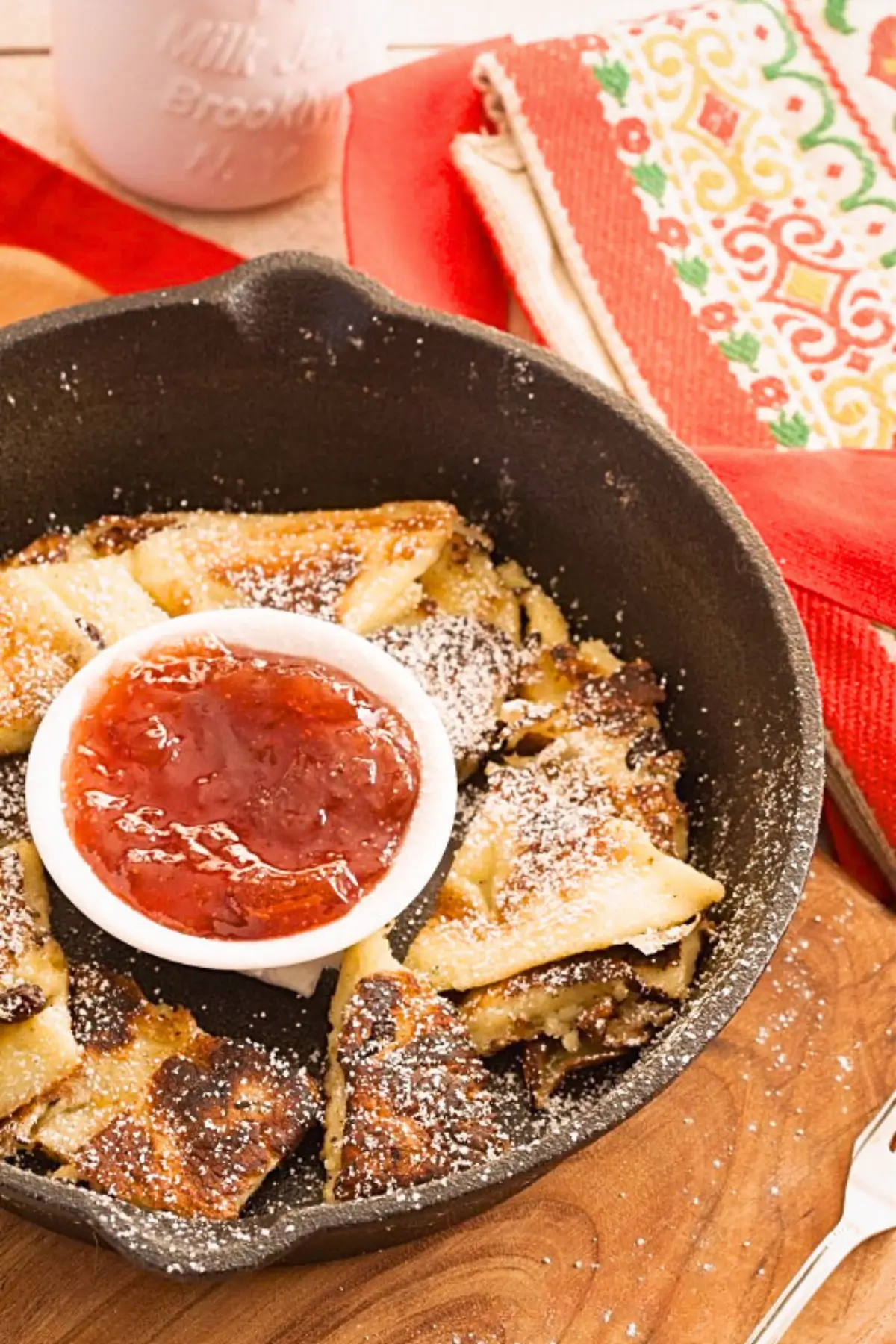
Kaiserschmarrn

Torn pancakes cooked in butter, lightly caramelised, and served with powdered sugar and jam. Popular across Tyrolean-influenced parts of the Dolomites.

Leave a Comment

Your email address will not be published. Required fields are marked *

Scroll to Top
Ultimate packing checklist travel guide cover with tropical beach background.