Your journey, beautifully planned.

The Ultimate Guide To Visiting Vatican City

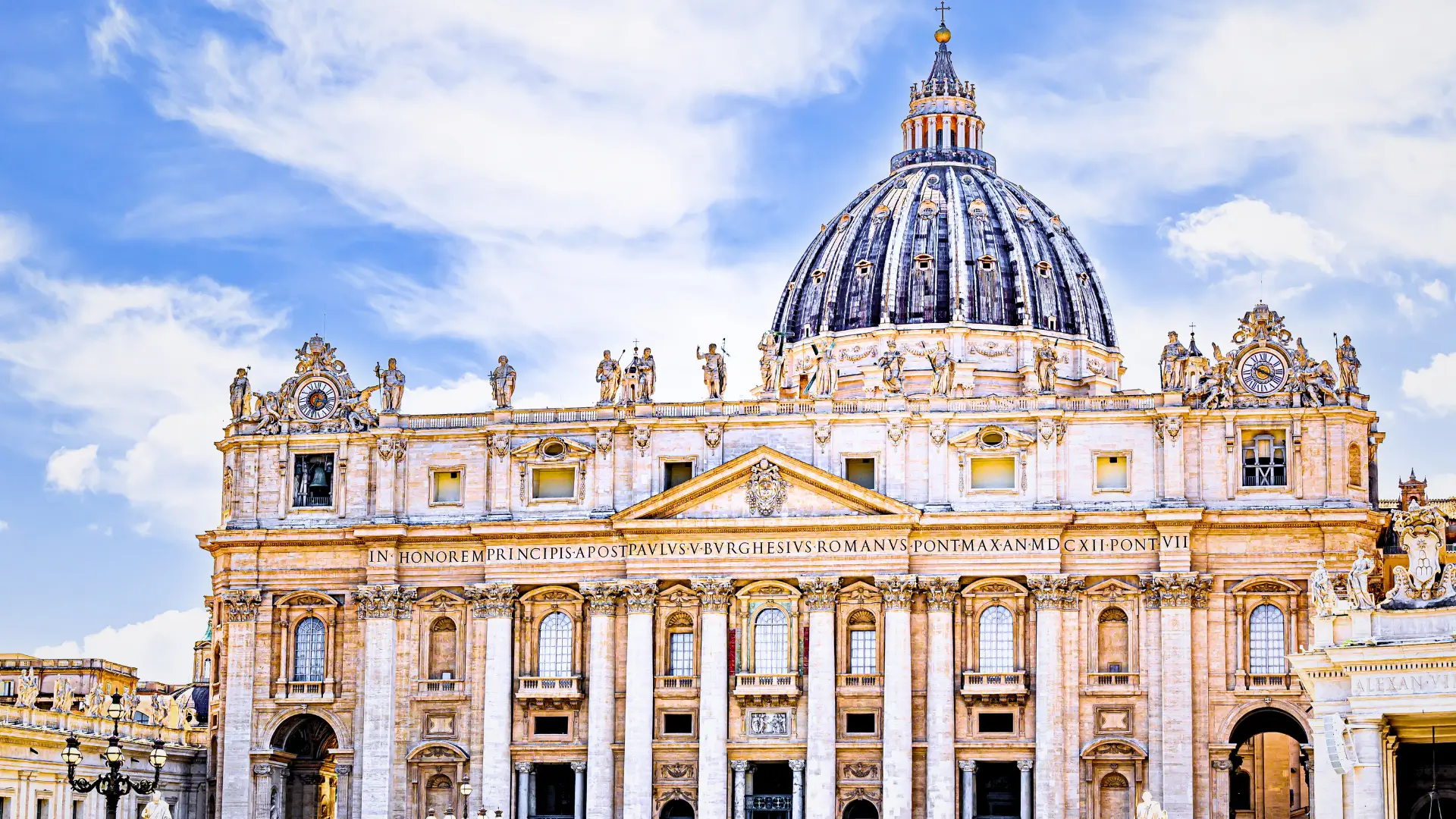
Front facade of St Peter’s Basilica with the central dome and statues above the colonnade in Vatican City.

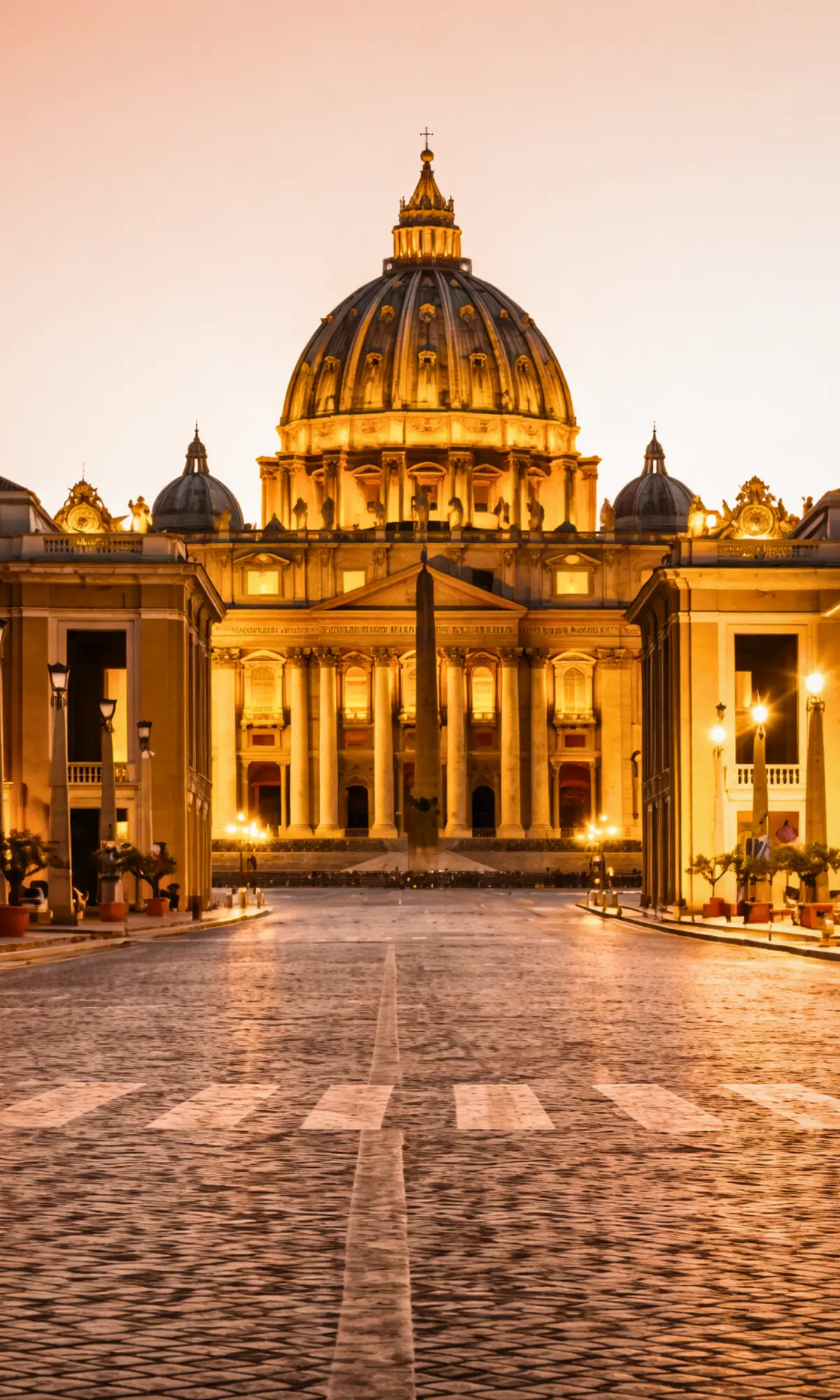
Vatican City is in the middle of Rome. It’s the smallest country in the world and holds some of the most recognised landmarks in Europe. The dome of St. Peter’s Basilica stands out immediately, and most visits begin at St. Peter’s Square, where the open space leads directly to the basilica.

St. Peter’s Basilica is large and detailed, filled with sculptures, altars, and artwork across the interior. The Vatican Museums cover a long series of rooms and corridors, with classical statues, painted ceilings, and Renaissance galleries. The Sistine Chapel is part of the same visit and is usually the busiest area.

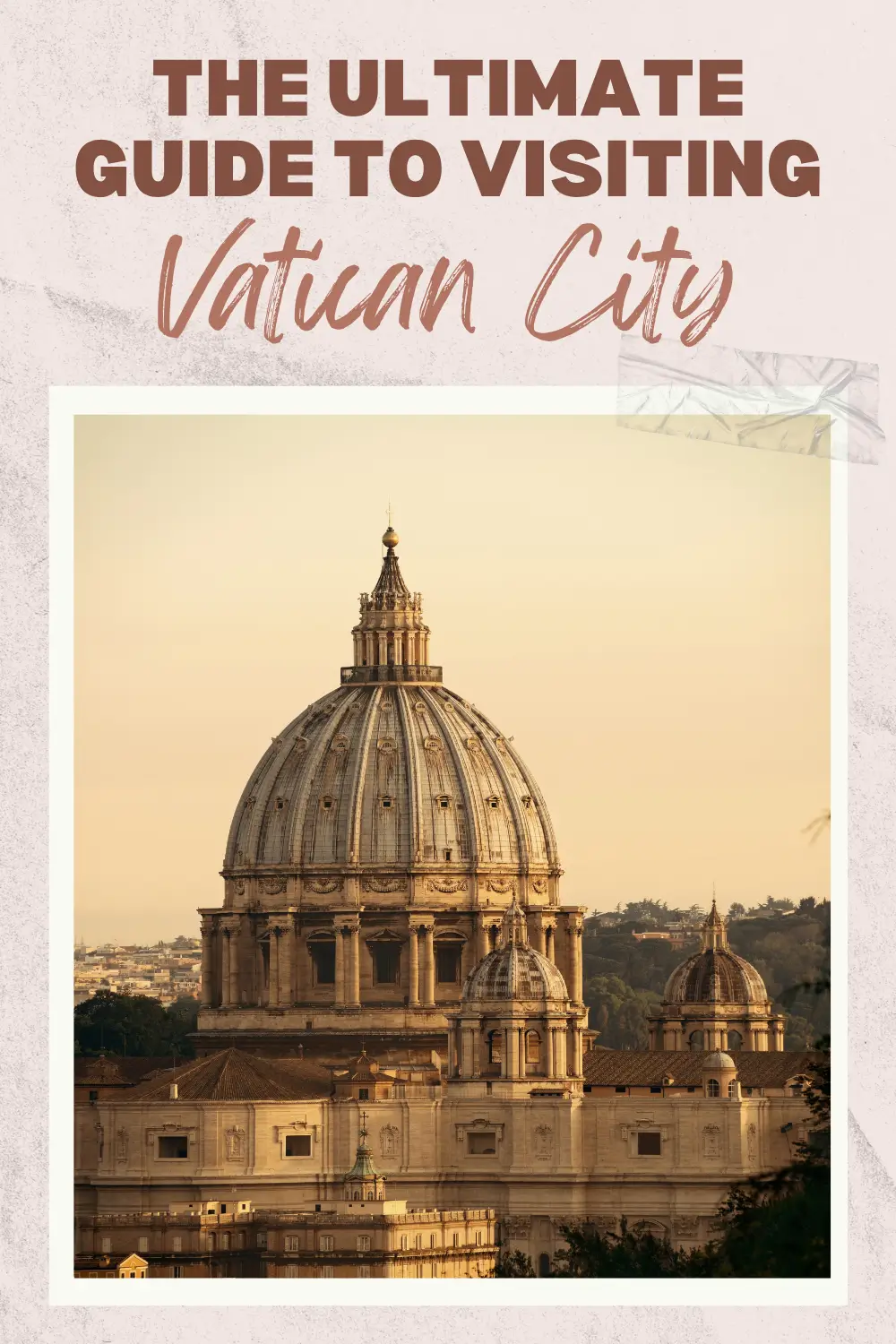
Cover image for a Vatican City travel guide featuring St Peter’s Basilica dome at sunset.

It’s not a place to rush. Early mornings are easier to manage, while midday gets crowded quickly. Taking your time helps, especially in the museums or in the square. There’s enough to see to fill several hours without trying to cover everything in one go.

Did You Know?

  • Vatican City is the smallest country in the world, covering about 0.44 km², which is smaller than many city parks.

  • It has a population of around 800 to 900 people, making it the least populated country on Earth, with most residents linked to the Church or state roles.

  • The entire country sits inside Rome and is completely surrounded by Italy, with clearly marked borders you can cross on foot in seconds.

  • Vatican City became an independent state in 1929 after the Lateran Treaty, which settled a long-standing dispute between the Holy See and Italy.

  • The Pope serves as both head of state and leader of the Catholic Church, making it the only country governed as a theocratic monarchy.

  • St Peter’s Basilica is the largest church building in the world and stands over the tomb traditionally believed to belong to Saint Peter.

  • St. Peter Square can hold over 80,000 people and regularly fills during papal audiences and major religious events.

  • The Swiss Guard has protected the Pope since 1506, and members must be Swiss, Catholic, and meet strict requirements.

  • Vatican City has no income tax, and its revenue comes mainly from donations, museum visitors, and tourism.

  • The country uses the euro despite not being part of the European Union, and it even issues its own limited euro coins.

I love exploring new places and sharing the travel tips, food finds, and experiences that help you plan your next adventure.

Join the
Journey

Sign up for new itineraries, travel notes, and practical guides to help you explore the places I love most.

Best Time To Visit Vatican City

The best time to visit Vatican City is from April to June and September to October, when spring and autumn bring mild temperatures and more comfortable conditions. It feels easier to visit both St Peter’s Basilica and the museums without intense heat or long queues.

July and August fall in summer and bring the highest crowds and temperatures, often above 30°C, and queues become slow and tiring. Early starts and advance booking help avoid the busiest hours around midday.

November to February falls in winter and has fewer visitors overall, with shorter lines and easier access to major sites. Christmas and Easter still draw large crowds, and some days feel just as busy as peak season.

Warm Months Transitional Months Cool Months

Vatican City At A Glance

St Peter’s Basilica illuminated at night with the dome glowing over St Peter’s Square.
Language selection icon showing two speech bubbles with letter A and Chinese character.

Language

Italian is the main language used across Vatican City for daily use and official matters. Many people also speak English, especially in tourist areas, museums, and around St. Peter Basilica.

Illustration of a money bag with dollar symbol next to stacked coins.

Currency and Costs

Euro (EUR). Approximate rate: 1 USD ≈ 0.90–0.95 EUR, though exchange rates fluctuate. Expect relatively high daily costs, especially for tickets, guided visits, and nearby stays in Rome.

Mobile payment icon with credit card and phone showing confirmed payment

Payments

Hotels, restaurants, and ticket offices accept credit and debit cards. Most visitors use contactless payments for tickets and small purchases, but it’s best to carry some cash for donations and smaller vendors.

Hand holding a dollar sign and heart icon representing tipping.

Tipping

Tipping isn’t expected. Service is usually included, especially in nearby cafés and restaurants, and small change is optional for good service.

Shield with checkmark and padlock as safety icon.

Safety

Vatican City is generally safe for travellers. Still, take normal precautions, especially in crowded areas like St. Peter Square and inside the museums.

Wi-Fi connectivity icon for travel and accommodation.

Connectivity

Mobile coverage is strong across Vatican City and surrounding Rome. Most hotels and cafés offer Wi-Fi, though speeds can vary during busy hours.
A Detailed Vatican City Itinerary

This 1-day route is based within Vatican City and the nearby Prati district in Rome. The main landmarks are within walking distance, though St. Peter’s Basilica and the Vatican Museums use separate entrances, and moving between them requires walking around the Vatican walls.

Access from central Rome is easy by metro or taxi, and no extra transport is needed once in the area.

Day 1: Vatican City

The Vatican Museums run through a long series of rooms and corridors, with classical statues, painted ceilings, and Renaissance galleries. The route ends at the Sistine Chapel, which is the final part of the visit.

St Peter’s Basilica is separate from the museum complex and uses a different entrance. Most visitors need to exit the museums, walk around the Vatican walls, and go through a separate security check to enter the basilica.

Suggested Stay: Hotel in Prati district near Vatican City

Base: Rome

Highlights

  • Vatican Museums
  • Sistine Chapel
  • St. Peter’s Basilica
  • St. Peter’s Square
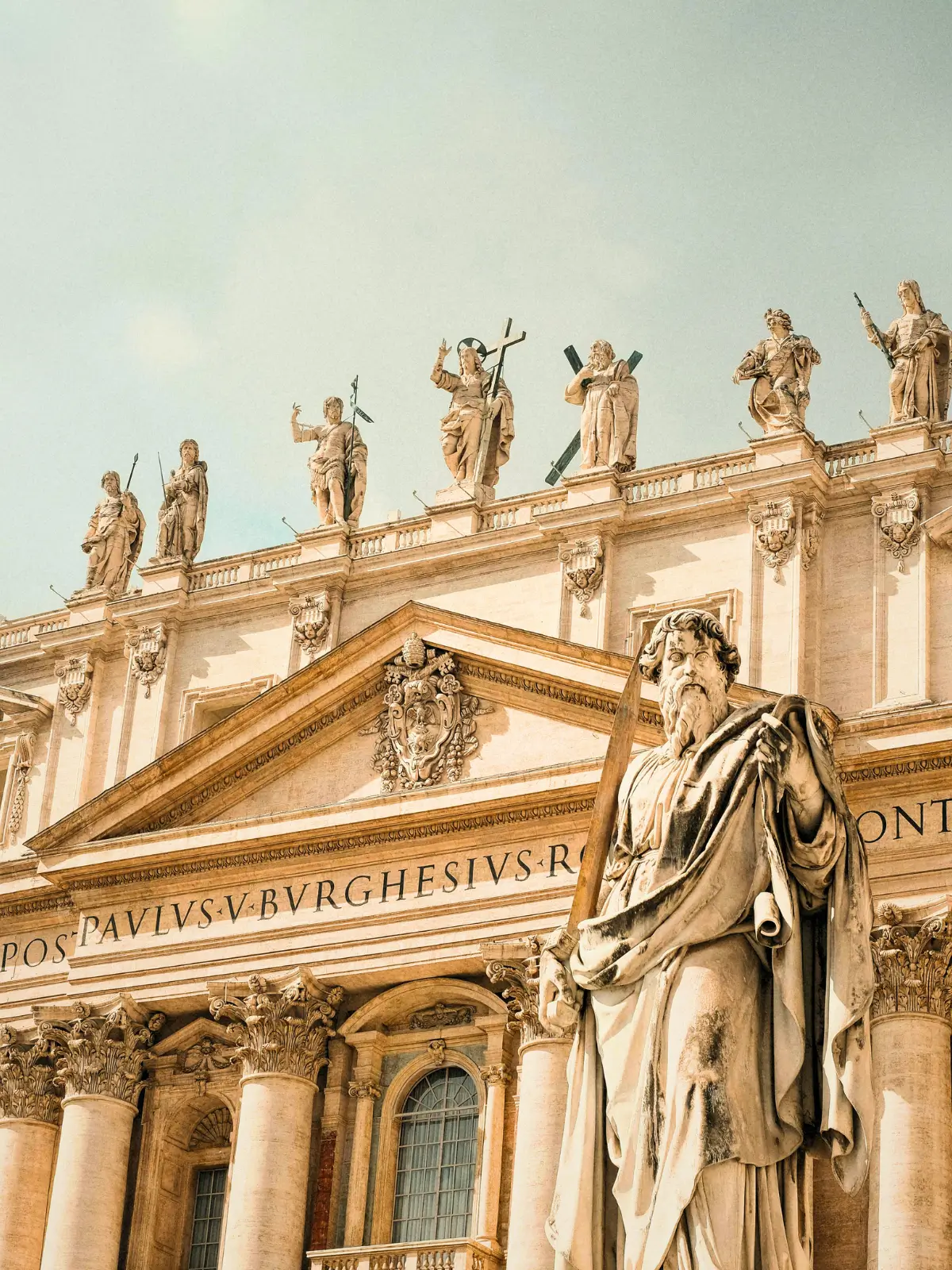
Statue of Saint Peter in front of St Peter’s Basilica facade with rooftop statues in Vatican City.
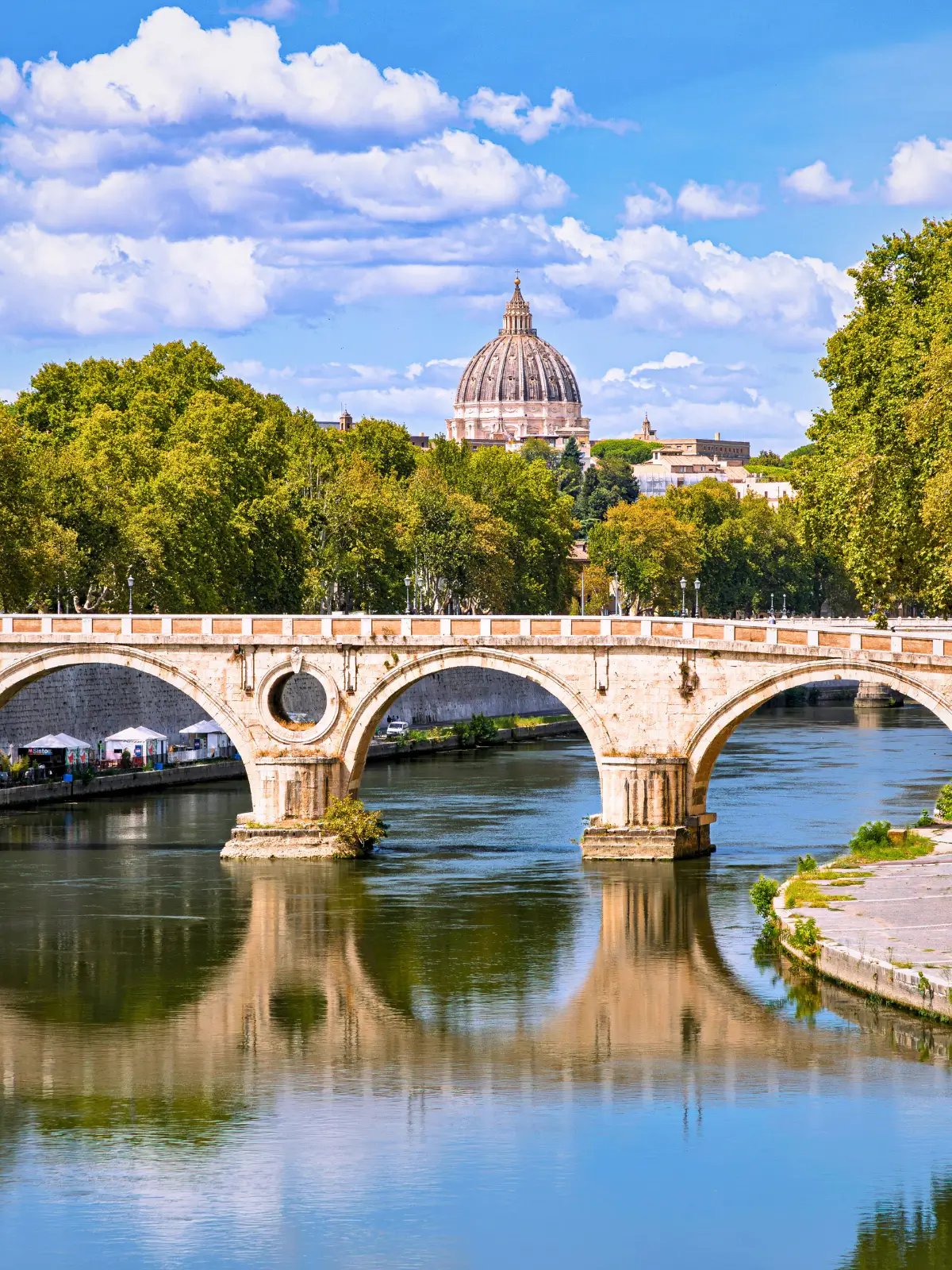
Ponte Sant’Angelo over the Tiber River with St Peter’s Basilica dome in the background in Rome.
Beige washi tape strip with soft torn edges on a transparent background.

Things To Know Before Visiting Vatican City

1. Entry Lines Form At Specific Gates

The Vatican Museums use a limited number of entrances, which creates long queues early in the day. Lines build quickly, and late arrival can easily cost you 1 to 2 hours before entry.

2. Ticket Availability Depends On Time Slots

Entry works on timed tickets rather than open access. Popular slots sell out early, which limits same-day entry and affects how you plan your visit.

3. Dress Code Is Strictly Enforced

Shoulders and knees must be covered to enter key sites, and staff do enforce this at the entrance. If you’re not dressed correctly, you won’t get in even with a valid ticket.

4. Basilica Entry Uses Separate Security Line

St. Peter’s Basilica has its own entrance and security check separate from the museums. Even if you skip the museums, you’ll still need to queue again before entering.

5. Museum Route Follows One Fixed Direction

The Vatican Museums follow a one-way route through all galleries. You can’t go back once you move forward, which makes it easy to miss sections if you rush.

6. Museum Exit Leads Away From Entrance

The museum exit leads to a different area from where you entered. Returning to your starting point requires walking around the outside, which adds extra time.

7. Free Entry Days Draw Large Crowds

Free entry Sundays attract very high visitor numbers. Galleries fill up early, and movement inside slows down significantly.

8. Wednesdays Change Access and Movement

Papal audiences take place most Wednesdays in St. Peter’s Square and draw large crowds. Security starts early and affects access routes, which changes how you move around the area.

How to Get There

Entry Requirements and Visas

Vatican City has no separate border control and follows Italy’s entry rules. Access depends on Schengen visa requirements, with many nationalities allowed to stay up to 90 days without a visa.

Passport Validity and ID

A valid passport is required to enter Italy, which also covers access to Vatican City. There are no passport checks at the Vatican border, but you may need ID for tickets or security checks.

Main Airport Gateway

Rome Fiumicino Airport serves as the main gateway, with direct and connecting routes from across Europe and major global hubs. Ciampino Airport also handles low-cost and regional flights into Rome.

Arrival From Other Countries

All routes into Vatican City pass through Italy, as there are no independent entry points. Entry is simply by crossing into Vatican City from Rome on foot.

Access By Train and Land Routes

Rome’s rail network connects to major Italian cities and international routes across Europe. The closest station, Roma San Pietro, sits just outside Vatican City and allows easy access on foot.

What to Expect

Crowds Shape The Entire Experience

Vatican City draws huge visitor numbers every day, especially around the museums and St. Peter’s Basilica. Movement slows down quickly once crowds build, and busy periods last for hours.

Long Distances Inside The Museums

The Vatican Museums stretch across a large complex with many connected galleries. A full visit involves several kilometres of walking and takes more time than expected.

Separate Entrances Affect Your Route

St. Peter’s Basilica and the Vatican Museums use different entrances on opposite sides of the walls. Moving between them takes time on foot and affects how you plan your visit.

Queues Add Significant Waiting Time

Security checks apply before entering major sites and often move slowly. Waiting time can easily reach an hour or more during busy periods.

One-Way Layout Controls Movement

The museum layout follows a set route through the galleries. Backtracking isn’t practical, which affects how you prioritise what to see.

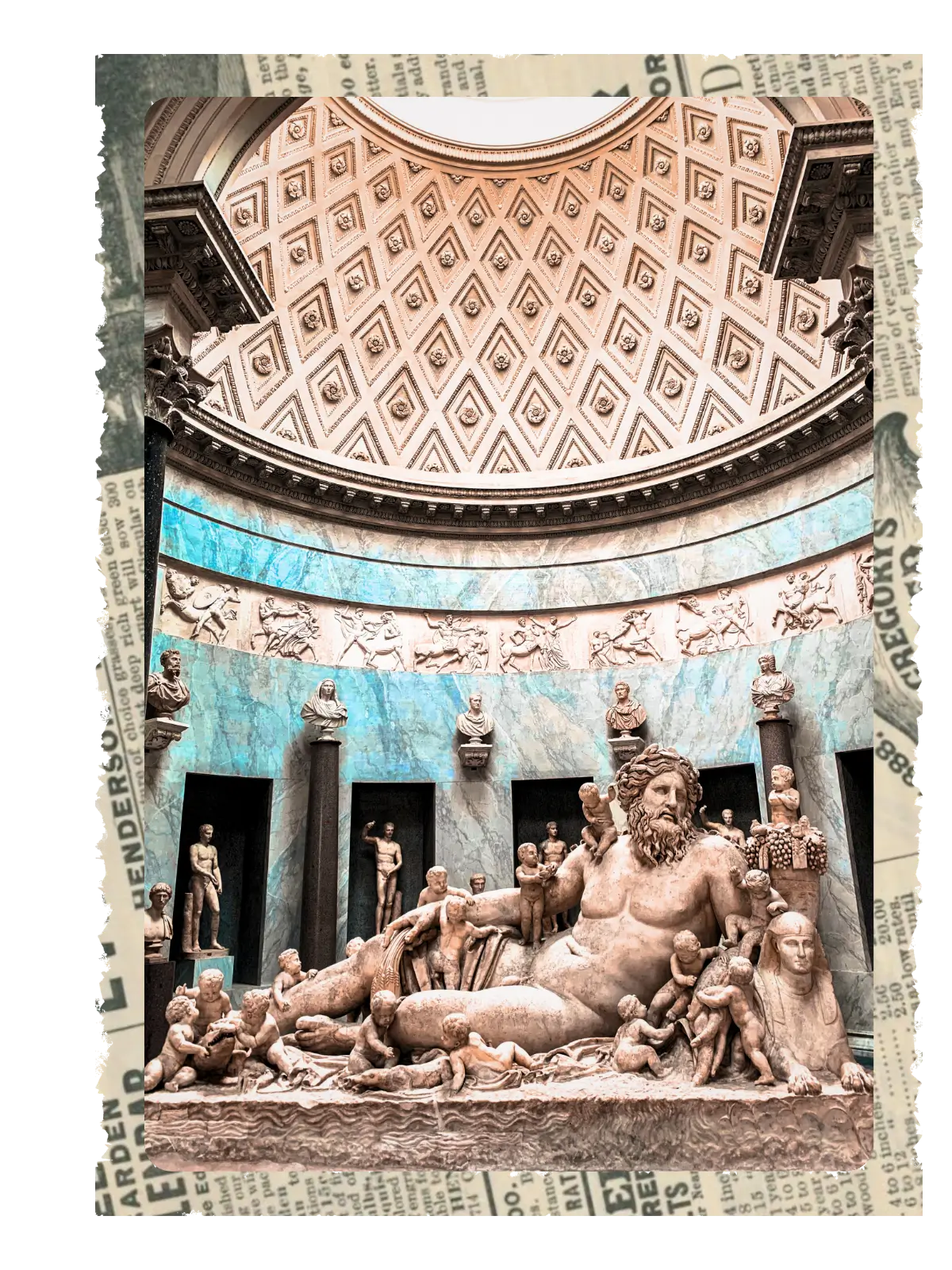
Marble sculptures inside the Pio-Clementino Museum beneath a patterned dome ceiling.
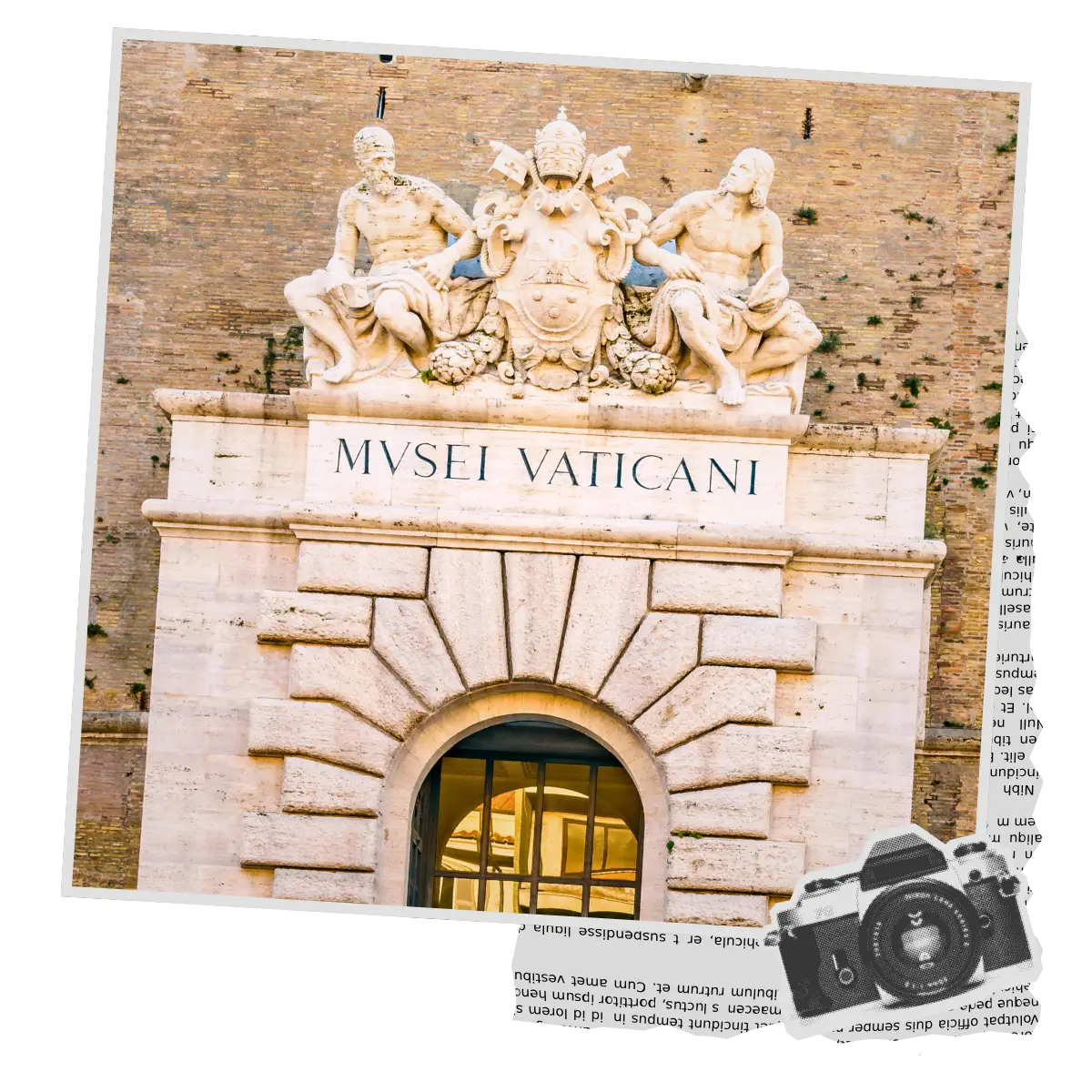
Musei Vaticani entrance sign with statues above the doorway at the Vatican Museums.

Getting Around Vatican City

Walking Inside Vatican City

Walking is the only way to move inside Vatican City. Distances are short, but crowds slow movement and make routes take longer than expected. 

You’ll spend most of your time on foot between the museums, St. Peter’s Basilica, and the square.

Rome Metro Access

Metro Line A gives the fastest access to the Vatican area. Ottaviano and Cipro stations sit about 5 to 10 minutes on foot from the main entrances. 

Trains run frequently, which makes this the most reliable option during busy periods.

Rome City Buses

Buses connect the Vatican with most parts of Rome, including direct routes from Termini. Lines like 40 and 64 stop close to St. Peter’s Square. 

Traffic slows journeys, especially during peak hours.

Taxis and Ride-Hailing Services

Taxis provide direct access to drop-off points near Vatican entrances. Travel time from central Rome usually takes 10 to 20 minutes, depending on traffic.

Walking From Central Rome

Many central areas connect easily to the Vatican on foot. Walking from places like Piazza Navona or Castel Sant’Angelo takes around 30 to 50 minutes. 

Join the
Journey

Sign up for new itineraries, travel notes, and practical guides to help you explore the places I love most.

Portrait of Manu smiling against a neutral background.

I love exploring new places and sharing the travel tips, food finds, and experiences that help you plan your next adventure.

Leave a Comment

Your email address will not be published. Required fields are marked *

Scroll to Top
Ultimate packing checklist travel guide cover with tropical beach background.