South Africa Travel Guide and Trip Planning
Why Visit South Africa
South Africa works well for travellers who like to mix city life with nature. You can spend time in places like Cape Town or Johannesburg, then head out to the coast, the mountains, or quieter rural areas without needing to change accommodation every night.
Everyday Life and Atmosphere
I love exploring new places and sharing the travel tips, food finds, and experiences that help you plan your next adventure.
Join the
Journey
Sign up for new itineraries, travel notes, and practical guides to help you explore the places I love most.
What to Pack
Best Time to Visit South Africa
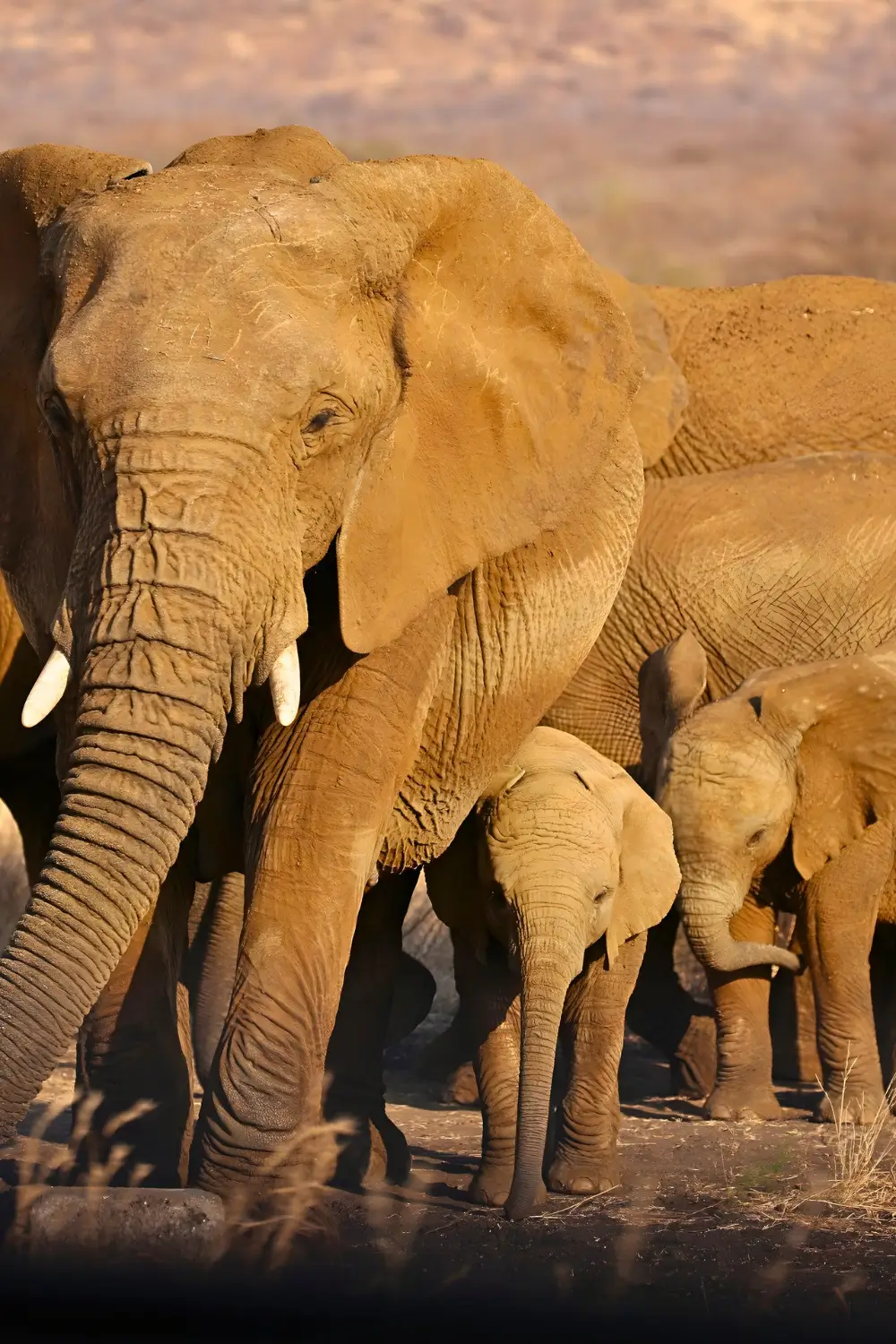
South Africa is a year-round destination, but May to September is ideal for safaris. The weather is cooler and drier, and wildlife is easier to spot as animals gather near water sources.
South Africa at a Glance

Language
English is widely spoken and understood across South Africa, especially in cities and tourist areas. The country has 11 official languages, including Afrikaans, Zulu, and Xhosa, which you may hear in different regions.

Currency and Costs
South African Rand (ZAR). Approximate rate: 1 USD ≈ 18–19 ZAR. Daily costs are generally good value compared with Europe, Australia, and North America.

Payments
Visa and Mastercard are widely accepted in hotels, restaurants, and shops. Cash is useful for markets, tips, and smaller businesses, especially outside major cities.

Tipping
Customary and expected. Around 10 to 15% in restaurants is standard. Small tips are common for guides, drivers, and hotel staff.

Safety
Generally welcoming for visitors. Stay aware of surroundings, use reliable transport, and avoid walking alone at night. Guided visits are recommended in certain areas.

Connectivity
Good mobile coverage in cities and towns. Free Wi-Fi is common in hotels, cafés, and restaurants. Local SIM cards are easy to buy and affordable.
A Detailed South Africa Itinerary
This itinerary moves west to east across South Africa, starting in the Western Cape and ending in the north-east safari regions.
It combines self-drive travel with one domestic flight to keep distances practical, offering a balanced route through urban, coastal, and wildlife areas without unnecessary backtracking.
Day 1: Arrival in Cape Town
Suggested Stay: Hotel or serviced apartment in a central or coastal neighbourhood
Base: Cape Town
Highlights
- Central city districts
- Coastal promenades
Day 2: Cape Town
Suggested Stay: Hotel or serviced apartment in a central or coastal neighbourhood
Highlights
- Historic districts and residential areas
- Harbour and waterfront zones
Day 3: Cape Peninsula
Suggested Stay: Hotel or serviced apartment in Cape Town
Base: Cape Town
Highlights
- Peninsula coastline
- Nature reserves and headlands
Day 4: Cape Town to the Cape Winelands
Suggested Stay: Guesthouse or lodge in a wine town or rural setting
Route: Cape Town to the Winelands
Highlights
- Agricultural landscapes
- Historic wine towns
Day 5: Cape Winelands
Suggested Stay: Guesthouse or lodge in the Winelands
Base: Cape Winelands
Highlights
- Vineyard areas
- Town centres and surrounding farmland
Day 6: Winelands to Hermanus
Continue south toward the coast, moving from inland valleys to shoreline scenery. The drive is manageable and allows for a relaxed arrival.
Route: Winelands to Hermanus
Highlights
- Coastal cliffs
- Small seaside town setting
Day 7: Hermanus to the Garden Route
Travel east along the coast toward the Garden Route. This is a longer driving day and works best when treated mainly as a transfer, with occasional scenic stops.
Suggested Stay: Lodge, guesthouse, or self-contained accommodation near a Garden Route town
Route: Hermanus to the Garden Route
Highlights
- Coastal driving sections
- Forest and marine landscapes
Day 8: Garden Route
Suggested Stay: Lodge, guesthouse, or self-contained accommodation
Base: Garden Route
Highlights
- Indigenous forests
- Beaches and lagoons
Day 9: Garden Route to Port Elizabeth
Suggested Stay: Hotel near the airport or beachfront
Route: Garden Route to Port Elizabeth
Highlights
- Coastal road scenery
- Shift from rural to urban environment
Day 10: Port Elizabeth to Johannesburg
Suggested Stay: Hotel near the airport or in a well-connected suburb
Route: Port Elizabeth to Johannesburg (flight)
Highlights
- Domestic air transfer
- Arrival in the country’s main transport hub
Day 11: Johannesburg to the Kruger Region
Suggested Stay: Safari lodge or bush accommodation near or within the park
Route: Johannesburg to the Kruger region
Highlights
- Transition from urban to bush landscapes
- Entry into wildlife regions
Day 12: Kruger Region
Suggested Stay: Safari lodge or bush accommodation
Base: Kruger region
Highlights
- Game viewing areas
- Savanna and river systems
Day 13: Kruger Region
Suggested Stay: Safari lodge or bush accommodation
Base: Kruger region
Highlights
- Varied habitats
- Morning and afternoon activity windows
Day 14: Kruger Region to Johannesburg
Route: Kruger region to Johannesburg
How to Get There
Main International Gateways
Most international travellers arrive via OR Tambo International Airport in Johannesburg or Cape Town International Airport.
Both serve as major entry points with strong international connections.
Flight schedules can change seasonally, so onward connections should be planned carefully.
Planning Your Flights
Flight schedules can change by season. If you are continuing onward the same day, allow generous connection time, especially when switching between international and domestic terminals.
Airport Transfers
Ride-hailing services and official airport taxis are available at major airports. Pre-arranged transfers are useful for late arrivals or long distances.
Having some local currency on arrival helps with small payments and tips.
What to Expect
A Strong Sense of Contrast
South Africa shifts quickly between modern urban life, vast natural landscapes, and areas shaped by complex history. These contrasts are part of everyday travel.
Travel Days That Require Planning
Distances are longer than many travellers expect. Combining flights with driving helps keep travel days manageable and reduces fatigue.
History Present in Everyday Life
Museums, neighbourhoods, and public spaces are closely tied to South Africa’s recent history. Learning about this context adds depth to travel experiences.
Food as Part of the Experience
South Africa has a diverse food culture influenced by many communities. Markets, cafés, and casual restaurants are part of daily life, and good food is easy to find without advance planning.
More Places to Visit in South Africa
Things to Know Before Visiting South Africa
1. South Africa Is Best Experienced by Car
South Africa is very much a driving destination. Even in cities, getting around usually means driving or using ride-hailing services. Once you leave urban areas, distances stretch out and public transport becomes limited.
When planning your trip, it helps to think in terms of driving time rather than how close places look on a map.
2. Safety Shapes How People Travel
South Africa is friendly and welcoming, but travel habits are shaped by safety awareness. Visitors tend to move directly between places, use Uber or rental cars, and avoid wandering around unfamiliar areas after dark.
It quickly becomes second nature and doesn’t take away from the experience, but it does influence how days are planned.
3. Cities and Nature Are Closely Connected
One of the things that makes South Africa special is how close nature feels, even in major cities. Beaches, mountains, wine farms, and open landscapes are often just a short drive away. It’s common to spend part of the day exploring the city and the rest outdoors, without needing to change accommodation.
4. Power Cuts Still Happen
Scheduled power cuts still occur in many areas. Most hotels, restaurants, and cafés have backup power, so it rarely affects comfort, but it’s useful to keep phones and devices charged when you can. You’ll often notice locals planning around it casually, and travellers usually adapt very quickly.
5. Tipping Is Part of Daily Life
Tipping is expected in many situations and forms an important part of income for service staff. This includes restaurants, guides, drivers, and even parking attendants.
Keeping some small notes on hand makes everyday interactions easier.
6. History Feels Recent and Personal
South Africa’s history is not something you only encounter in museums. Many of the places you visit are closely tied to recent events and lived experiences. Taking the time to learn about this context, often through local guides, adds depth to the trip and helps places make more sense.
What to Pack
Join the Journey
Sign up for new itineraries, travel notes, and practical guides to help you explore the places I love most.
I love exploring new places and sharing the travel tips, food finds, and experiences that help you plan your next adventure.