
Lagos Travel Guide for Exploring the Western Algarve
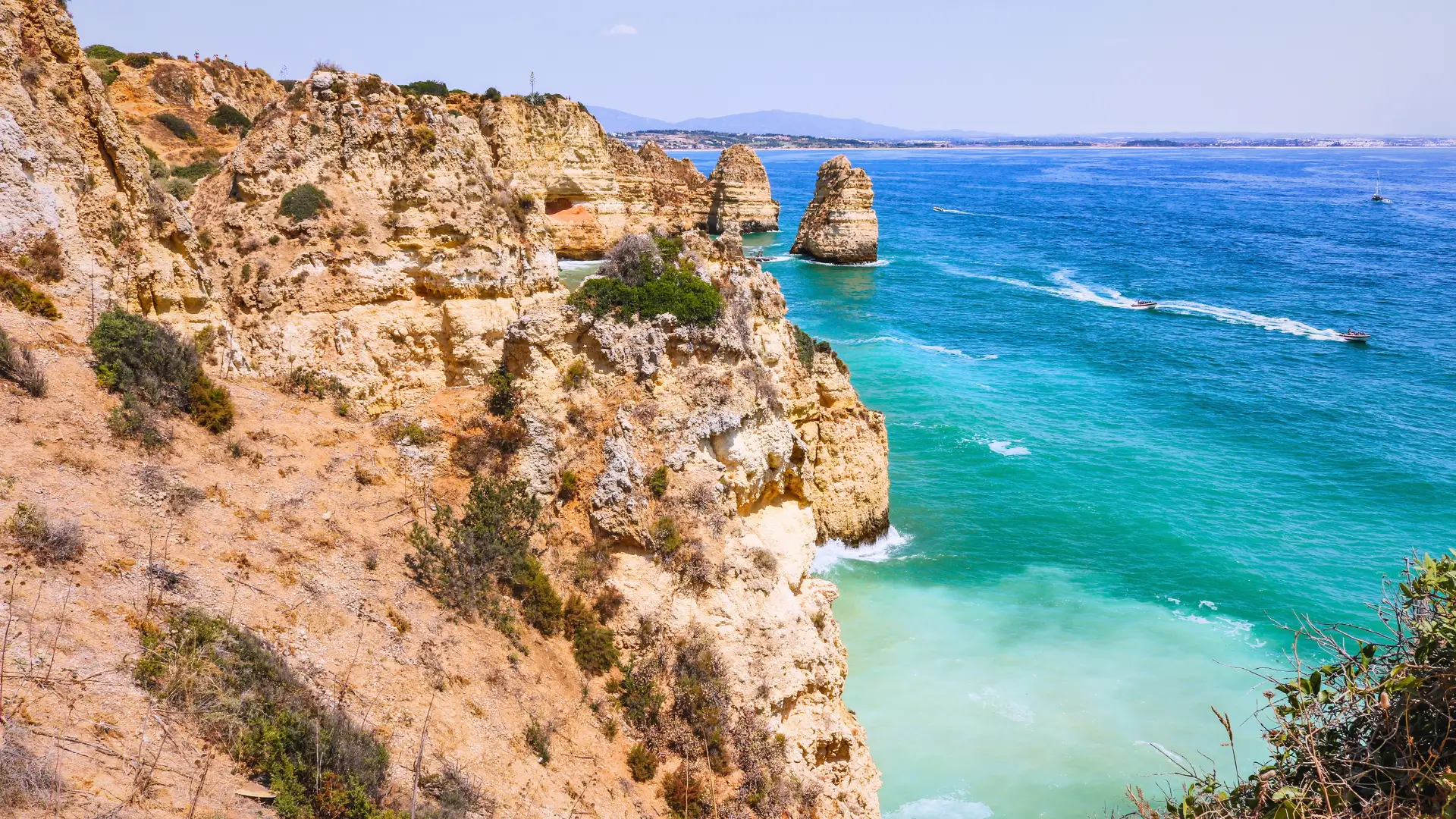
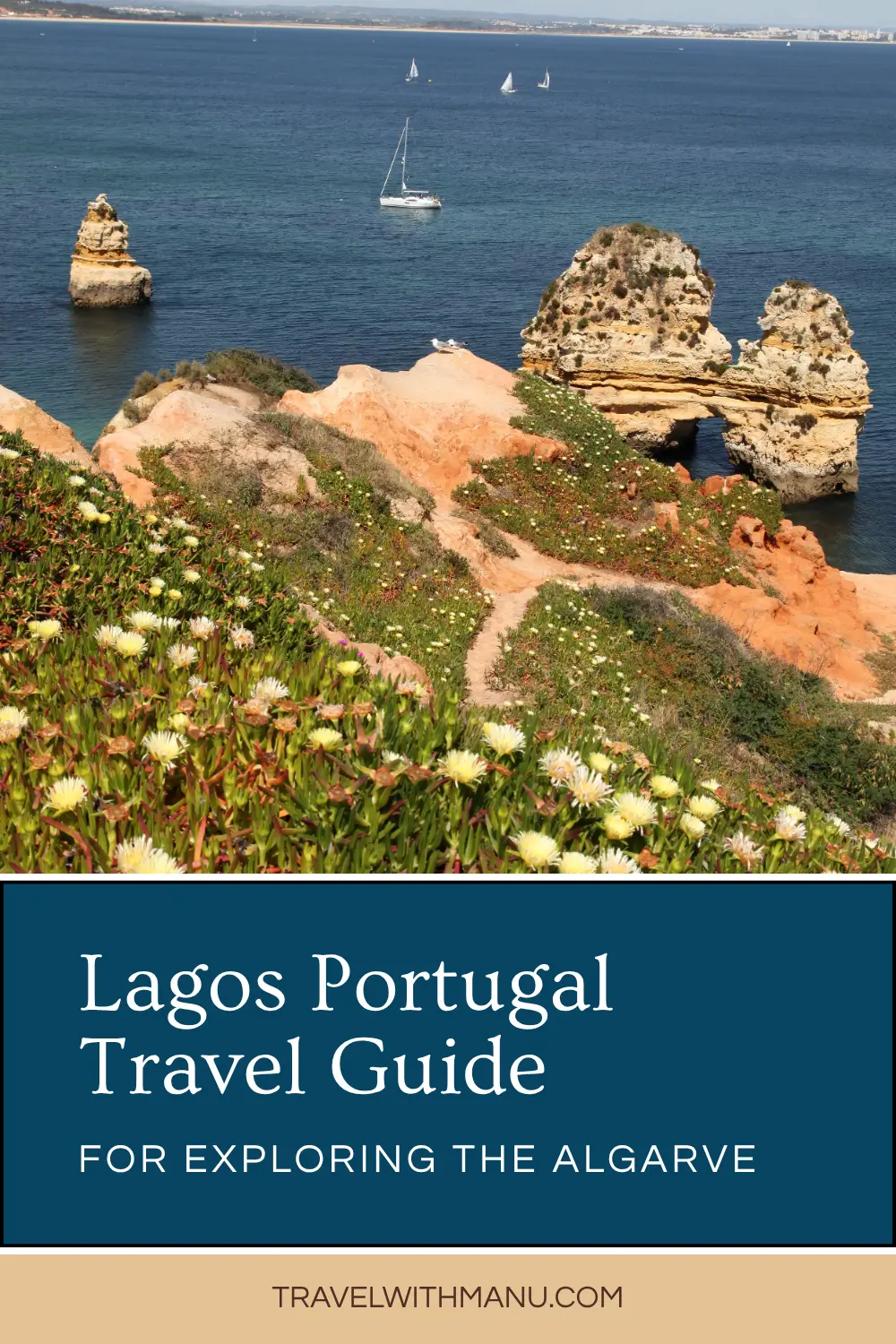
Lagos is a coastal town in Portugal’s western Algarve. It’s known for its golden limestone cliffs, sandy beaches and historic streets. The Old Town has restaurants, small squares and landmarks connected to Portugal’s maritime history. Along the coast, Ponta da Piedade is one of the main reasons to visit.
You can explore central Lagos on foot and visit several beaches close to town. Lagos is also a good base for exploring the western Algarve. Where you stay can make a difference to your plans.
The Old Town puts restaurants and central sights within walking distance, while accommodation near Meia Praia or Porto de Mós is more convenient for beach days.
This Lagos Portugal travel guide covers when to visit, where to stay, how to get around and how many days to allow. It also includes practical advice for planning your trip and exploring nearby destinations.

I love exploring new places and sharing the travel tips, food finds, and experiences that help you plan your next adventure.
Join the
Journey
Sign up for new itineraries, travel notes, and practical guides to help you explore the places I love most.
Best Time to Visit Lagos
May, June, September and early October are good months to visit Lagos. Temperatures are generally warm and comfortable for walks through the Old Town, coastal sightseeing and beach days. The Atlantic Ocean can still feel cool, particularly in spring.
Summer brings hotter weather, busier beaches and higher demand for accommodation and boat trips. It’s worth booking ahead during July and August, especially if you have a preferred hotel or excursion. Smaller beaches also have less space at high tide.
From November to March, expect cooler temperatures, shorter days and more frequent rain. The historic centre and coastal viewpoints are still worth exploring. However, boat trips depend on sea conditions, and some tourism businesses operate reduced hours.
If you’re planning to spend time by the sea, my Best Beaches in Lagos guide covers the different beaches, access points and facilities.
Lagos at a Glance

Best Areas to Stay
Stay in the Old Town for easy access to restaurants, shops and historic landmarks. The marina is another good option, especially if you plan to use the train or take boat excursions.
Getting Around
Most of the historic centre is easy to explore on foot. Local buses, taxis and rideshares are useful for reaching beaches and other places farther from town.
Top Attraction
Ponta da Piedade has impressive limestone cliffs, natural rock arches and views across the Atlantic. Follow the coastal boardwalks or take a boat tour to see the formations from the water.
How Much Time to Allow
Allow around 3 days to explore the main sights and enjoy the beaches. With four or five days, you can also visit nearby towns and discover more of the western Algarve.

Things to Do in Lagos
Lagos has a historic centre, coastal viewpoints and beaches that are easy to include in the same trip. I’d spend some time exploring the Old Town before heading towards the coast. You can then choose a few activities based on your interests and the time you have available.
1. Explore Lagos Old Town
Start around Praça Gil Eanes and Praça Infante Dom Henrique. These central squares are close to historic streets, restaurants and landmarks connected to Lagos’s maritime past.
You can also see sections of the old town walls and walk towards the waterfront. Allow time to explore the smaller streets rather than following a fixed route between landmarks.
2. Visit Ponta da Piedade
Ponta da Piedade is one of the main places to visit along the Lagos coastline. Its limestone cliffs, sea arches and rock formations can be seen from viewpoints along the headland.
Marked paths and boardwalks connect several viewpoints. You don’t need to book a boat excursion to explore the area on land, although the views from the water are different.
3. Spend Time at the Beach
Lagos has long sandy beaches as well as smaller bays surrounded by limestone cliffs. Praia da Batata is close to the Old Town, while Meia Praia stretches east of the marina.
Praia da Dona Ana and Praia do Camilo are known for their golden cliffs and coastal scenery. Some beaches have long staircases, so check access before choosing where to spend the day.
4. Take a Boat Trip Along the Coast
Boat excursions are a popular way to see the cliffs and rock formations around Ponta da Piedade. Depending on the tour, you may travel along the coastline in a small boat or join a longer excursion.
Check the departure point and duration before booking. Sea conditions can affect the route, and it’s worth allowing some flexibility in your plans.
5. Walk Along the Coastal Paths
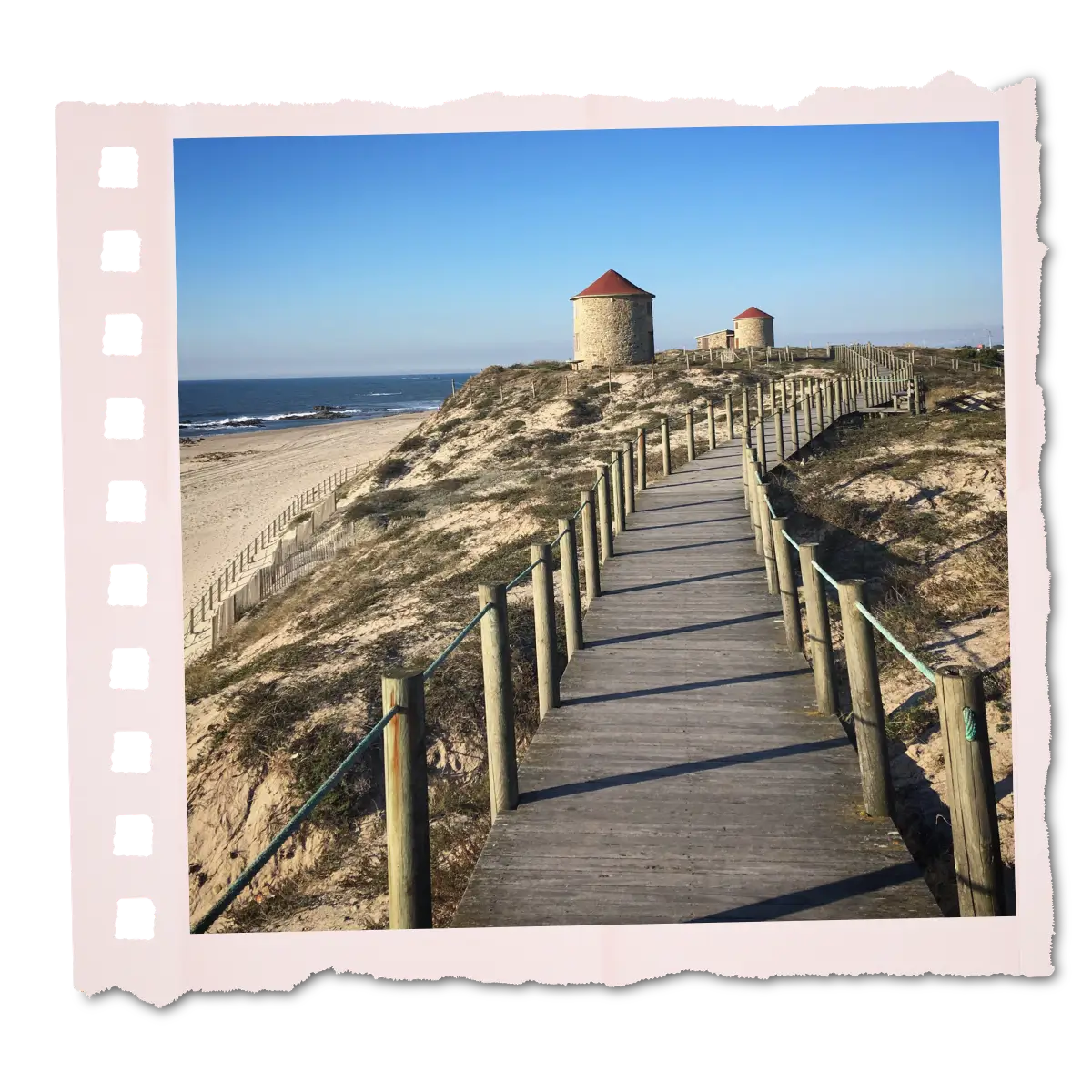
The coastline around Lagos has walking routes with views of the Atlantic and the limestone cliffs. The paths around Ponta da Piedade are particularly useful for exploring several viewpoints on foot.
Stay on the marked routes and use the designated boardwalks where provided. Parts of the trail have little shade. Bring water and allow enough time for the return walk.
6. Visit the Historic Waterfront
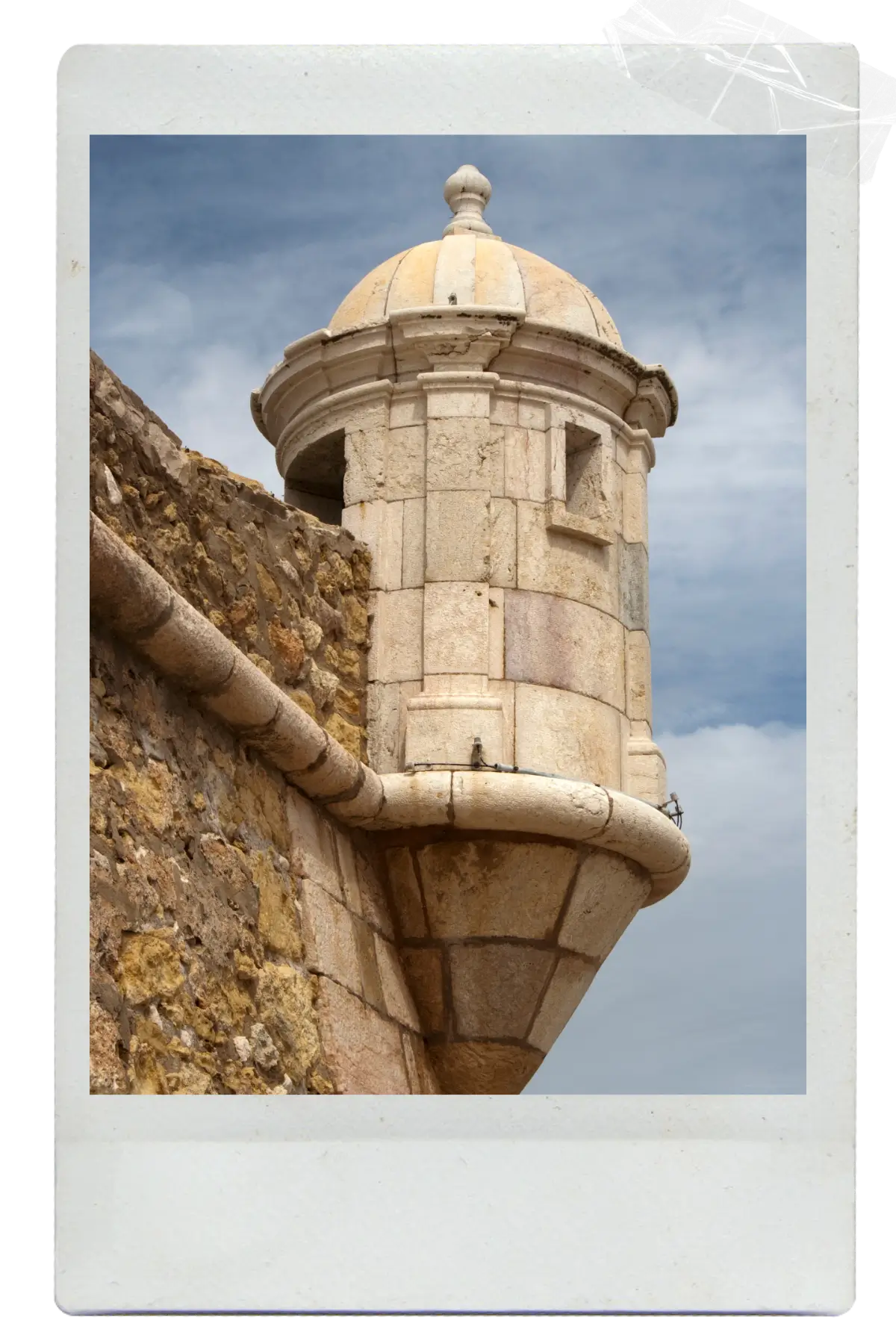
Lagos waterfront connects the Old Town with Forte da Ponta da Bandeira. This historic fort stands near the harbour entrance and reflects the town’s maritime past.
Praia da Batata is also nearby. You can visit the fort, walk along the waterfront and spend time at the beach without travelling far from the historic centre.
7. Enjoy an Evening in the Old Town
The Old Town has a wide selection of restaurants and bars around its central streets and squares. It’s a convenient place to have dinner after spending the day at the beach or exploring the coastline.
If you’re staying outside the centre, check your return transport before heading out. Restaurants can be busy during July and August, particularly in the main dining areas.
For more ideas and practical visiting information, see my Things to Do in Lagos guide.
Getting Around Lagos
Walking and Local Buses
Central Lagos is easy to explore on foot, especially around the Old Town, marina and waterfront. Expect cobbled streets and occasional uphill sections along the way.
Lagos also has an ONDA bus network, with routes across town and to nearby beaches. The Blue Line serves beach destinations. Check departure times before travelling.
Taxis and Rideshares
Taxis and rideshare services such as Uber and Bolt are available in Lagos. They’re useful for reaching beaches, viewpoints and accommodation outside the historic centre without hiring a car.
Availability varies by location and time of day. If you’re heading to a beach or viewpoint away from the centre, plan your return journey in advance.
Trains and Connections
Lagos railway station is near the marina, around a 15-minute walk from the Old Town. Regional trains serve Portimão, Faro and other destinations along the Algarve railway.
Selected services also run directly to Vila Real de Santo António. Places without railway stations, including Sagres, require a bus, taxi or car.
Arriving from Faro Airport
Faro Airport is approximately 85 kilometres from Lagos by road. A hire car or pre-booked transfer takes you directly to your accommodation without additional connections.
For public transport, travel into Faro city centre first. From there, trains and coaches connect to Lagos. Check departure times carefully if your flight arrives late.
What to Expect
Check Access to the Beaches
Several beaches near Lagos sit below limestone cliffs and have steep staircases. Praia do Camilo has more than 200 steps, including the climb back up.
Meia Praia has multiple entrances and designated accessible facilities. If you need step-free access, confirm the arrangements at your preferred entrance before you visit.
Expect Cool Atlantic Water
Even during summer, the Atlantic can feel surprisingly cool compared with the warm weather on land. Water temperatures also vary throughout the year.
Swimming conditions can change between beaches and from day to day. Always follow beach flags and lifeguard instructions, particularly when waves or currents are strong.
Allow Flexibility for Boat Trips
Boat excursions along the Lagos coastline depend on wind and sea conditions. Operators may adjust their routes or cancel departures when the weather becomes unsuitable.
If a boat tour is a priority, book it early in your stay. This leaves another day available if your original excursion is postponed.
Prepare for Coastal Walks
Walking routes around Lagos offer excellent Atlantic views, but stretches along the cliffs have limited shade. Bring water, sun protection and comfortable footwear during warmer months.
Follow marked trails and designated boardwalks throughout your walk. Cliff edges can be unstable, and safety barriers should always be respected.
Plan Your Days by Location
Lagos has a compact centre, but beaches such as Porto de Mós are farther away. Walking between attractions can take longer than expected.
Plan visits by area to avoid unnecessary travel. Spend one day in the historic centre and another along the coast.
Day Trips from Lagos
If you have an extra day in Lagos, consider visiting Sagres, Praia da Luz or Silves. Each is worth considering for a different reason, from Atlantic coastal scenery to historic landmarks and beachside restaurants.
Sagres is known for its dramatic headlands and Fortaleza de Sagres. You can visit the fortress and enjoy views across the Atlantic. Strong winds are common along this stretch of coastline, even on sunny days. Bring an extra layer if you plan to spend time outdoors.
For a shorter trip, Praia da Luz is only a few kilometres west of Lagos. Spend the afternoon at the beach, take a walk along the waterfront or stop for lunch at one of the nearby restaurants.
Silves is a good choice if you’d like to explore the Algarve beyond its coastline. Its hilltop castle is the main attraction, with historic streets and traditional buildings surrounding it. Allow time to walk through the old town after visiting the castle.
If you’re staying in Lagos for two or three days, I’d prioritise the town and its coastline. A longer stay gives you more time to visit Sagres or Silves, while Praia da Luz can easily fit into a shorter outing.
How Many Days Do You Need in Lagos?
I’d recommend 3 days in Lagos to explore the town without having to fit everything into a tight schedule. You can spend time in the Old Town, visit Ponta da Piedade and enjoy the nearby beaches. This also leaves room for a boat excursion along the coast.
If you only have 2 days, I’d concentrate on Lagos itself rather than planning a day trip. The historic centre and Ponta da Piedade are worth prioritising, with time for a beach visit if your schedule allows.
With 4 or 5 days, you can spend longer at the beaches and explore more of the western Algarve. Consider a day trip to Sagres or Silves, or visit Praia da Luz for a few hours.
For a suggested day-by-day route, see my 2 Days in Lagos itinerary.
Join the
Journey
Sign up for new itineraries, travel notes, and practical guides to help you explore the places I love most.

I love exploring new places and sharing the travel tips, food finds, and experiences that help you plan your next adventure.
