Cuba Itinerary and Travel Guide for Planning Your Trip
Did You Know?
- Cuba is home to the world’s smallest bird, the bee hummingbird, which is barely 5 cm long and weighs less than a dime.
- It is the largest island in the Caribbean and one of the most densely populated in the region.
- Adult literacy is nearly 100%, one of the highest rates in the world.
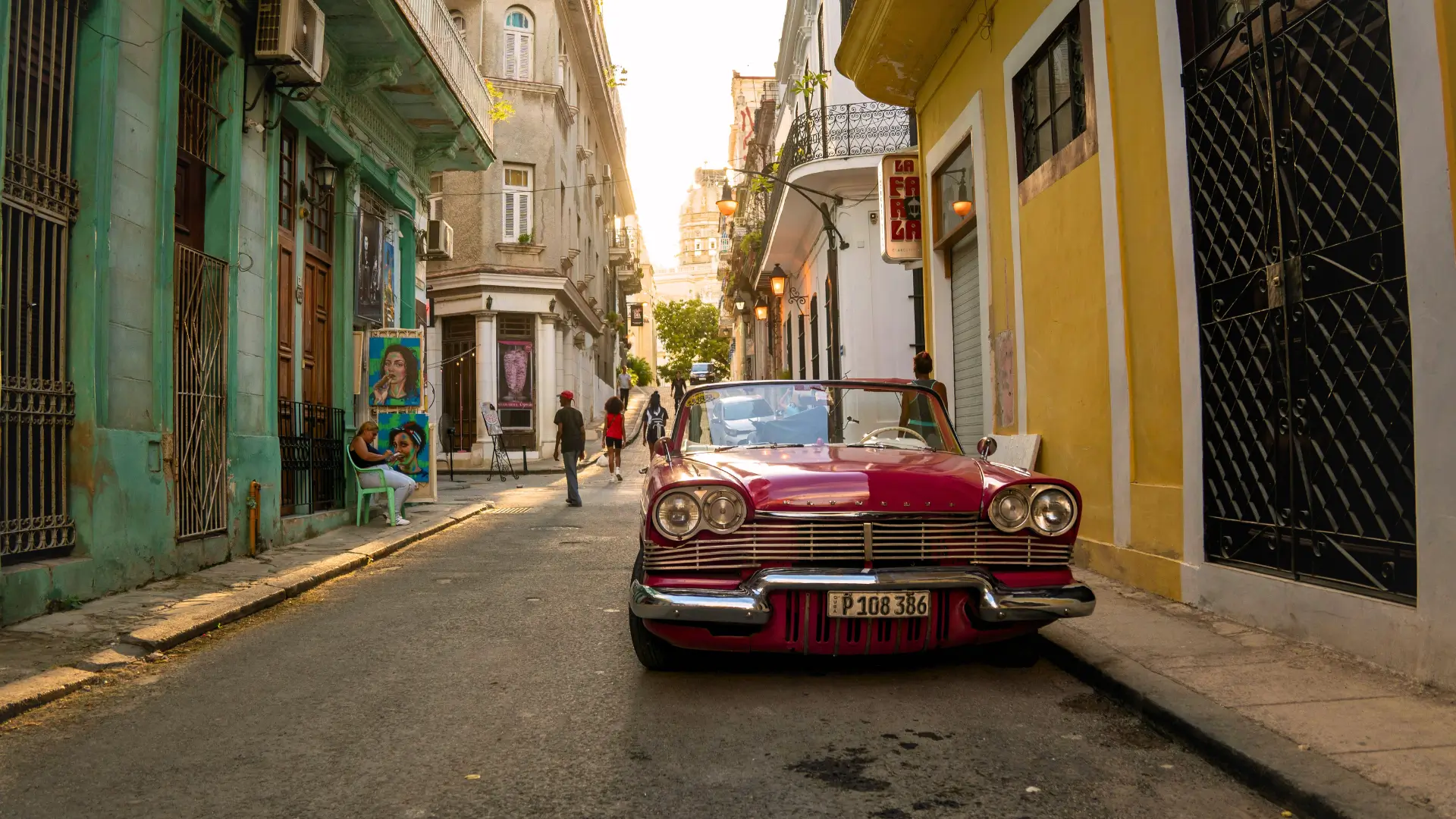
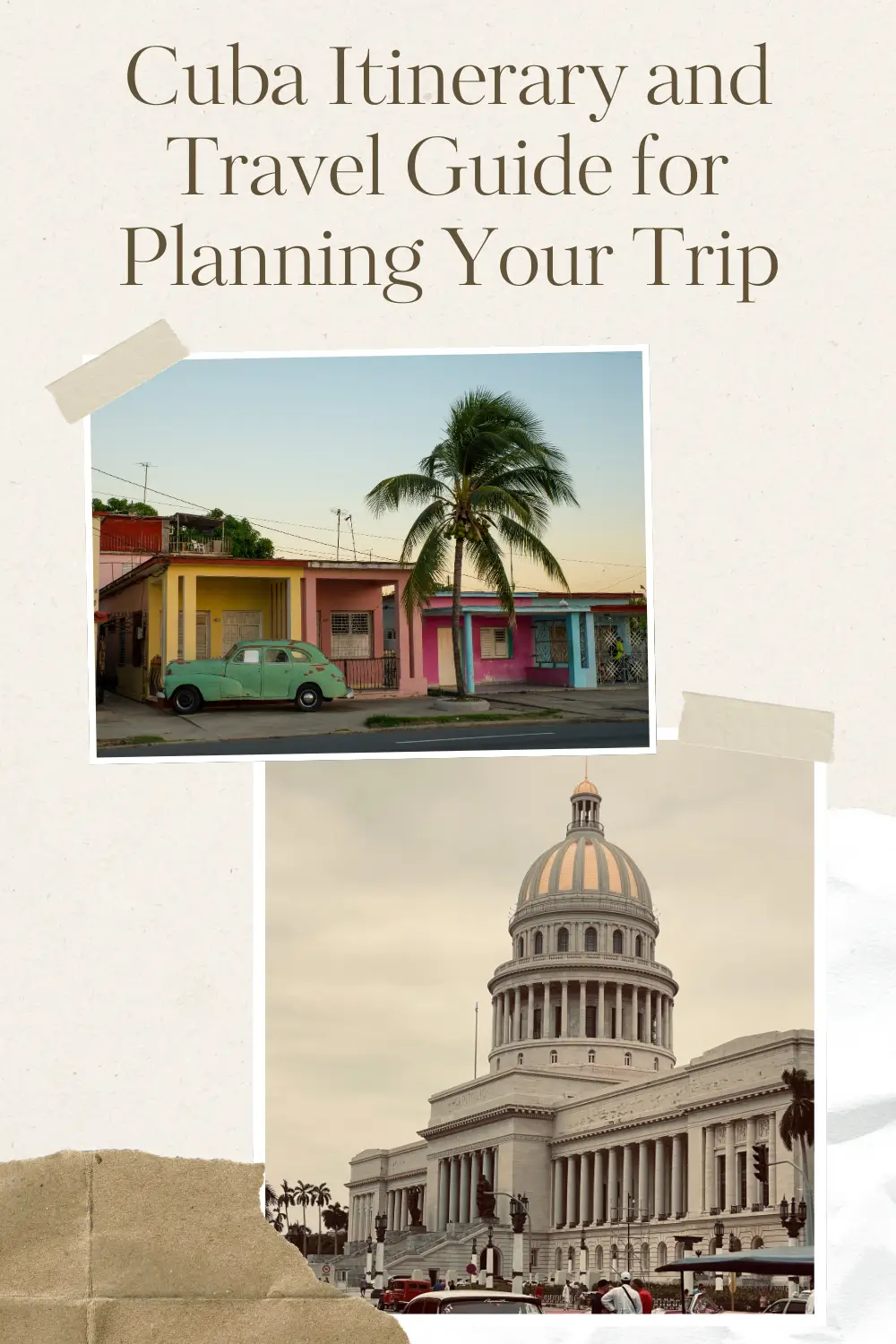
- Vintage American cars from the 1950s still dominate the streets because new imports were blocked for decades, making Cuba a living classic car museum.
- Baseball is the top sport, far more popular than football, and is deeply woven into Cuban culture.
- No major U.S. fast-food chains operate in Cuba, which surprises many visitors.
- Dominoes is a national pastime, with locals playing for hours in public squares and streets.
- Cuba used to have a dual currency system, one for locals and another for tourists, which is now largely unified.
- Christmas was not an official holiday until 1997, after being banned for decades.
- The island’s shape is often called “El Caimán”, or crocodile, because its outline resembles the reptile when viewed from above.
I love exploring new places and sharing the travel tips, food finds, and experiences that help you plan your next adventure.
Join the
Journey
Sign up for new itineraries, travel notes, and practical guides to help you explore the places I love most.
Tips for Travellers
Best Time to Visit Cuba
The best time to visit Cuba is from November to April. The weather is warm and comfortable. Rain is minimal. This makes it easy to explore Havana’s streets, enjoy local cafes, or relax on Varadero’s beaches.
Summer can be hot and humid. Tropical storms are possible. The island is green, and hotels are often more affordable. The drier months offer the most comfort, but Cuba has attractions throughout the year for travelers willing to adapt to the season.
Cuba at a Glance

Language
Spanish is the official language. English is commonly understood in tourist areas, and local dialects vary across regions.

Currency and Costs
Cuban Peso (CUP). Approximate rate: 1 USD ≈ 25 CUP. Daily expenses are generally reasonable, with higher prices in popular tourist spots.

Payments
Cash is the main payment method for small purchases and public transport. Hotels, restaurants, and larger stores may accept foreign cards, but U.S. cards often don’t work. Mobile payment options are limited.

Tipping
Tipping is customary. Travellers typically leave around 10% in restaurants when service is not included and give small tips to guides, drivers, and hotel staff.

Safety
Cuba is generally safe for visitors who follow basic precautions. Stay aware in crowded areas and respect local rules.

Connectivity
Mobile coverage is good in cities and major towns. Free Wi-Fi is available in some hotels, parks, and cafés. Local SIM cards are accessible, though internet access can be limited in rural areas.
A Detailed CubaItinerary
Day 1: Arrival in Havana
Suggested Stay: Guesthouse or mid-range hotel in Old Havana
Base: Havana
Highlights
- Plaza de la Catedral
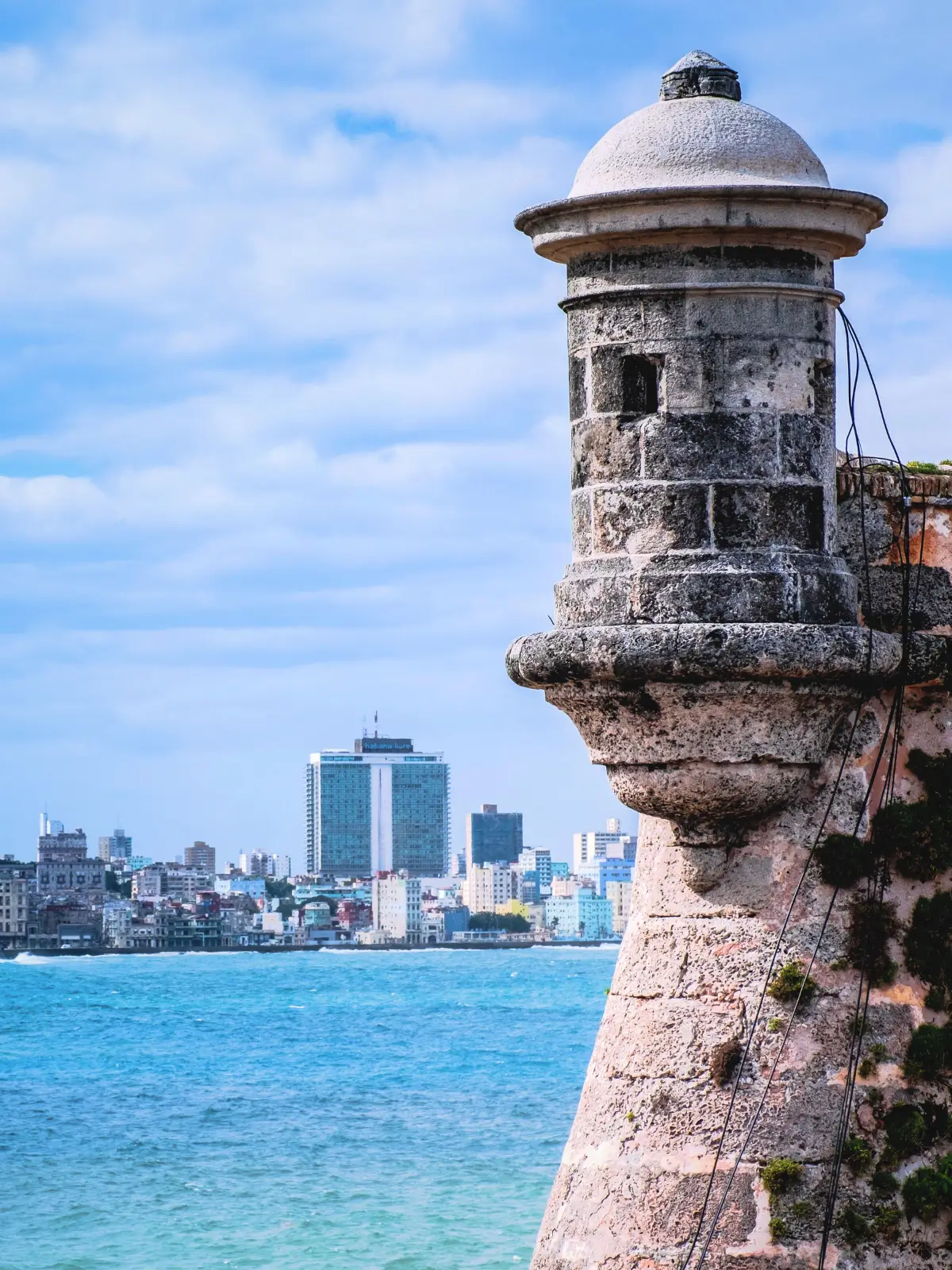
- Malecon waterfront
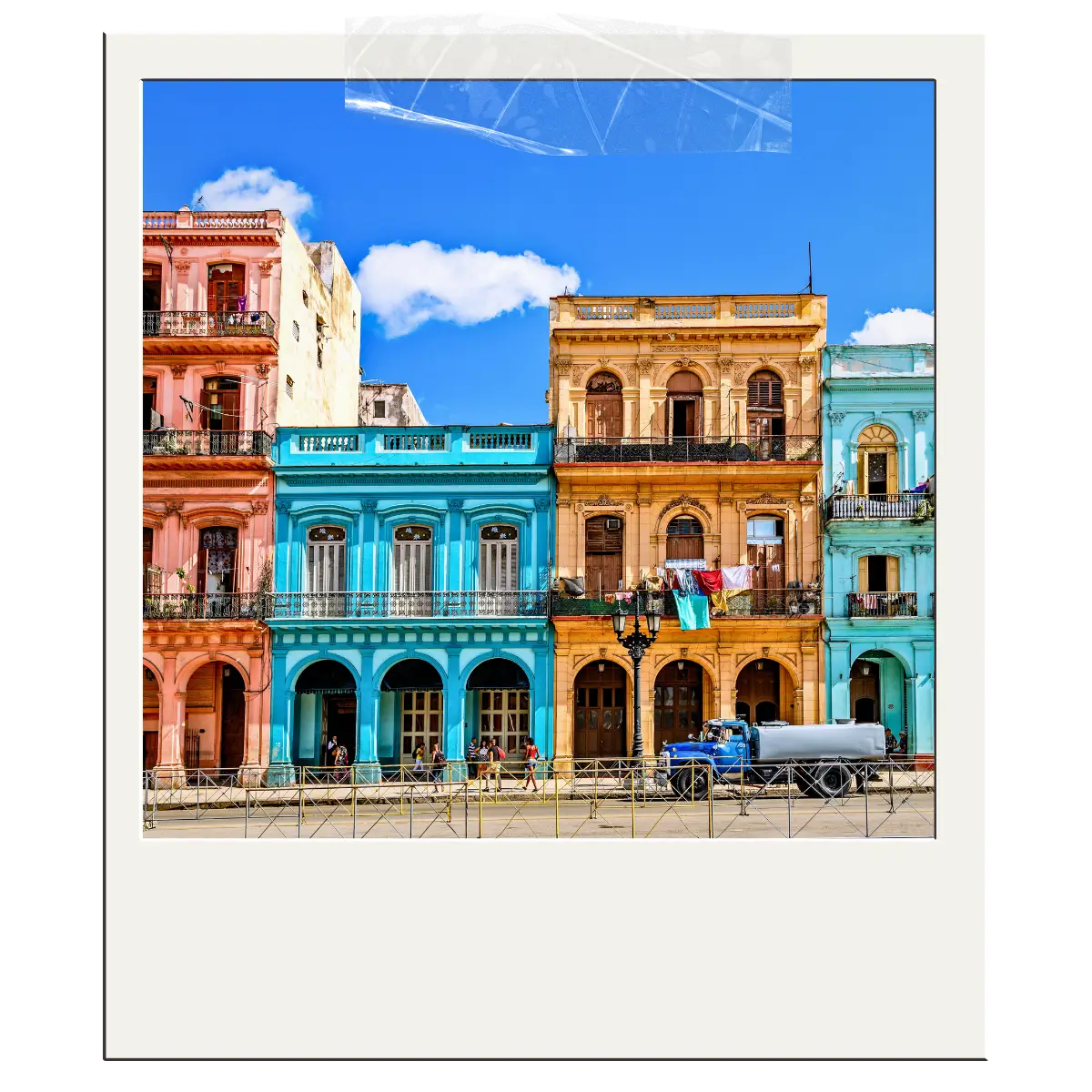
- Historic streets of Old Havana
Day 2: Havana City Exploration
Suggested Stay: Same as previous night
Base: Havana
Highlights
- Capitolio and surrounding architecture
- Paseo del Prado
- Vedado streets and plazas
Day 3: Havana to Viñales
Suggested Stay: Rural guesthouse or casa particular near Viñales town
Route: Havana to Viñales
Highlights
- Tobacco farms
- Mogotes limestone formations
- Viñales town square
Day 4: Viñales Valley
Suggested Stay: Same as previous night
Base: Viñales
Highlights
- Cueva del Indio
- Local tobacco farm visits
- Scenic valley viewpoints
Day 5: Viñales to Cienfuegos
Suggested Stay: Central guesthouse or small hotel
Route: Viñales to Cienfuegos
Highlights
- Coastal scenery along the route
- Parque José Martí
- Palacio de Valle
Day 6: Cienfuegos Exploration
Base: Cienfuegos
Highlights
- City historic centre
- Punta Gorda promenade
- Nearby parks and plazas
Day 7: Cienfuegos to Trinidad
Suggested Stay: Colonial guesthouse in Trinidad old town
Route: Cienfuegos to Trinidad
Highlights
- Plaza Mayor
- Museo Romántico
- Sugarcane valley viewpoints
Day 8: Trinidad Exploration
Suggested Stay: Same as previous night
Base: Trinidad
Highlights
- Valle de los Ingenios
- Local artisan markets
- Colonial streets and squares
Day 9: Trinidad to Varadero
Suggested Stay: Guesthouse or mid-range hotel near main beach
Route: Trinidad to Varadero
Highlights
- Coastal scenery along the route
- Varadero beaches
- Marina and resort areas
Day 10: Varadero Beaches
Suggested Stay: Same as previous night
Base: Varadero
Highlights
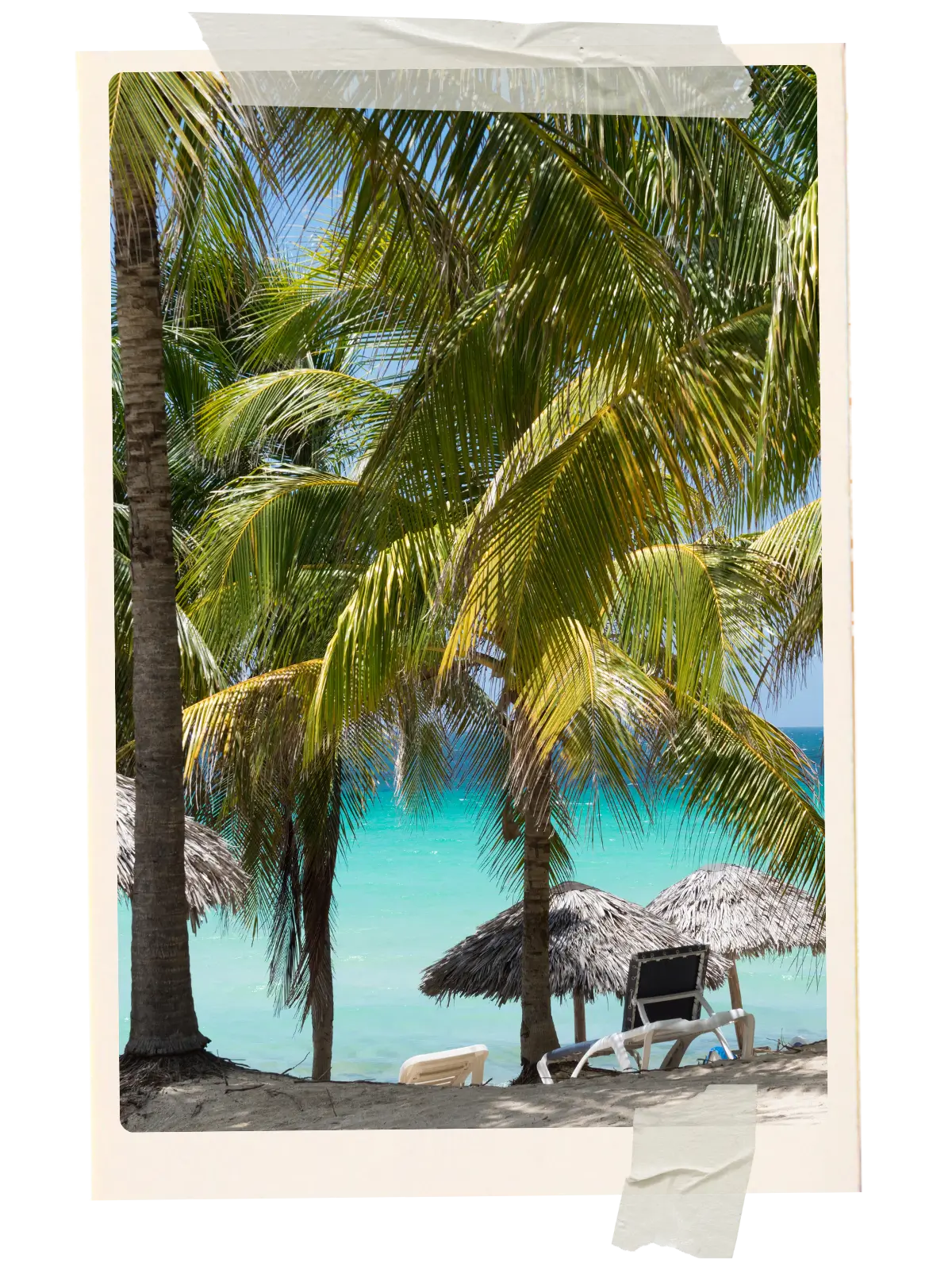
- White-sand beaches
- Coastal walking paths
- Water-based activities
Day 11: Varadero to Havana / Departure
Route: Varadero to Havana
Highlights
- Western coastal scenery
- Small town stopovers if needed
- Arrival at Havana airport
Things to Know Before Going to Cuba
1. Bring Enough Cash and Small Bills
2. Understand Casa Particulares Rules
3. Plan for Power and Adapter Needs
4. Prepare for Limited Internet Access
5. Be Mindful When Taking Photos
6. Tipping Works Best in Cuban Pesos
While tipping is expected in many services, using Cuban Pesos (CUP) gives more direct value to local workers. Keep small bills for taxi drivers, guides, and restaurant staff.
How to Get There
International Flights
Entry Requirements
Arrival Procedures
When you land, go through immigration and customs before reaching the arrivals area. Processing times vary by airport, time of day, and passenger volume.
Keep your accommodation details and visa documents handy to move faster.
U.S. Travelers
The Cuban authorities process your entry the same as other nationalities, but legal compliance is on the traveler.
European and Latin American Travelers
What to Expect
Cash and Local Purchases
Even in cities, many small shops, restaurants, and taxis only accept cash. U.S. cards are generally not accepted, and some ATMs may not work.
Bringing small bills in Cuban Pesos (CUP) helps with tips, snacks, and public transport.
Accommodation Differences
Staying in casa particulares means registering your passport with the host, and some may only accept cash.
Hotels do not always provide air conditioning, hot water, or reliable Wi-Fi. They may also charge extra for certain amenities.
Transportation on the Island
Cuba doesn’t have a modern public transport network outside major cities. Intercity buses often sell out quickly, and timetables can change without notice.
Many travelers rely on shared taxis (coches colectivos), and negotiating the price before departure is expected. Roads can be narrow or uneven, especially in rural areas.
Food and Beverage Availability
Fresh fruit and vegetables are seasonal, and meals may take longer during peak hours.
Tap water in Havana is generally safe, but bottled water is recommended outside cities.
Getting Around Cuba
Intercity Buses
The main bus service Viazul connects major cities and tourist spots. Buses are air-conditioned and generally comfortable, but they often sell out, especially during peak season.
You should book your tickets online or at the station in advance to avoid waiting around.
Shared Taxis (Coches Colectivos)
Shared taxis are a common way to travel between towns if buses are full. Prices are usually fixed, but confirm the fare before hopping in.
These rides are faster than buses but can get crowded, so pack light and be ready to negotiate politely.
Private Taxis
Hiring a private taxi gives you flexibility and comfort. You can set your schedule and stop along the way.
Expect higher costs than shared options, but it is convenient if you have luggage or a tight itinerary.
Car Rentals
City Transport
Within cities, taxis are everywhere. Some work by the meter, but many are fixed-price.
You can also walk or use bici-taxis (pedicabs) for short distances. Guaguas, which are local buses, serve locals but are slower and less predictable for tourists.
Coco-taxis, small three-wheeled open-air taxis found in Havana and some tourist areas, are fun but pricier.
Tips for Travellers
Join the
Journey
Sign up for new itineraries, travel notes, and practical guides to help you explore the places I love most.
I love exploring new places and sharing the travel tips, food finds, and experiences that help you plan your next adventure.