
The Ultimate Guide to Planning a Trip to Japan
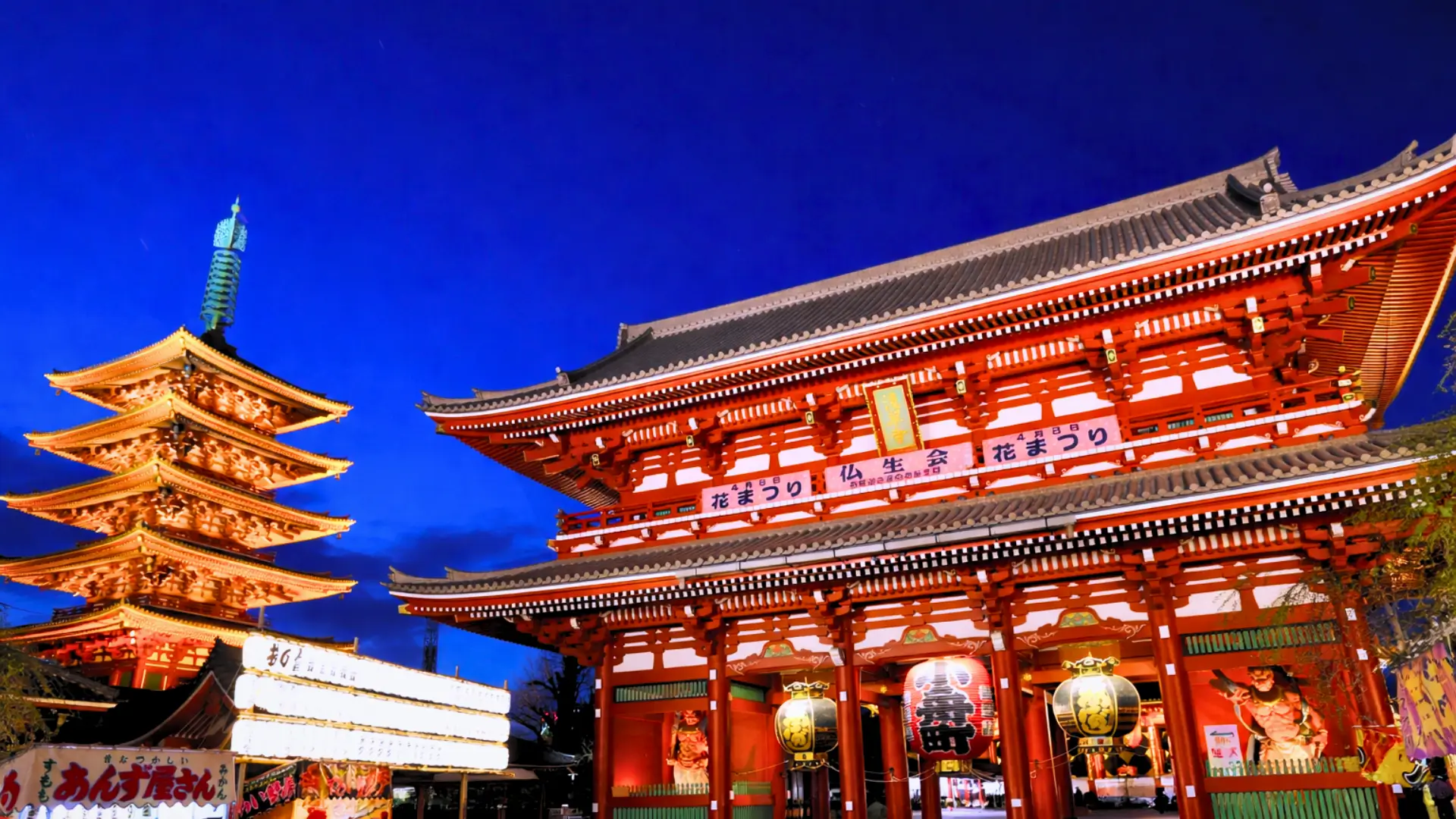
If anime has ever drawn you in, you’ll recognise streets and stations long before arriving. Food is everywhere, from convenience store counters to small local spots doing one dish well, and while Japan is known for its cities, calm neighbourhoods are never far away.
Did You Know?
- Japan has over 5 million vending machines, one of the highest concentrations in the world. Many sell hot meals, fresh drinks, umbrellas, and everyday essentials, not just snacks.
- Trains are famously punctual, with delays often measured in seconds. On rare occasions when services run late, passengers may receive formal apology slips to show at work or school.
- Square watermelons are grown mainly as novelty items, shaped inside boxes while growing. They are usually not eaten and can cost hundreds of pounds.
- Tipping is not part of Japanese culture and can feel awkward if attempted. Good service is expected as standard, not rewarded with extra money.
- Many restaurants display plastic food replicas in their windows. These models are carefully crafted to show portion size and presentation before ordering.
- Convenience stores play a real role in daily life, offering fresh meals, bill payments, parcel services, ticket booking, and printing facilities.
Destinations
Best Time to Visit Japan
Japan is a year-round destination, but each season feels very different. Spring (March to May) and autumn (October to November) tend to be the easiest times to visit, with mild weather and the most comfortable conditions for getting around.
Spring is all about cherry blossoms, when parks and city streets briefly turn pink and outdoor spaces fill up. In autumn, the air cools down and red and golden leaves take over, especially in Kyoto, mountain areas, and the north.
June usually brings the rainy season, while July and August are hot, humid, and busy, particularly in big cities. Winter is quieter and colder, but it’s a great time for mountain travel and skiing, especially in Hokkaido and the Japanese Alps.
Japan at a Glance

Language
Japanese is spoken nationwide. English is common in major cities, transport hubs, and tourist areas, but less so in smaller towns. Clear signage and visual cues make getting around manageable without Japanese.

Currency and Costs
Japanese Yen (JPY). Approximate rate: 1 USD ≈ 145–155 JPY, with major cities and tourist centres generally more expensive than regional areas.

Payments
Cash is still widely used, especially outside large cities. Cards and contactless payments are common but not universal.

Tipping
Tipping is not expected and may cause confusion. Service charges are usually included, and good service is standard.

Safety
Japan is considered very safe for travellers. Violent crime is rare, though normal care is advised in busy areas and on public transport.

Connectivity
Reliable mobile coverage across most of the country. Free Wi-Fi is common in hotels and cafés. SIM cards and eSIMs are easy to purchase at airports or online.
A Detailed Japan Itinerary
This Japan travel guide follows Japan’s main east–west travel corridor, linking Tokyo, the Kansai region, and western Honshu in a logical sequence. It suits travellers who prefer efficient rail travel, stable accommodation bases, and straightforward daily movement.
Day 1: Arrival in Tokyo
Suggested Stay: Hotel or serviced apartment in a central or well-connected Tokyo district
Base: Tokyo
Day 2: Tokyo
Suggested Stay: Same accommodation in Tokyo
Base: Tokyo
Highlights
- Shibuya area
- Meiji Shrine grounds
- Central neighbourhood streets
Day 3: Tokyo
Suggested Stay: Same accommodation in Tokyo
Base: Tokyo
Highlights
- Asakusa and Sensō-ji
- Traditional shopping streets
- Riverside or skyline viewpoints
Day 4: Tokyo to Hakone
Suggested Stay: Ryokan or hotel in the Hakone area
Route: Tokyo → Hakone
Highlights
- Mount Fuji viewing areas (weather dependent)
- Lake Ashi surroundings
- Hot spring towns
Day 5: Hakone to Kyoto
Suggested Stay: Hotel or traditional accommodation in central Kyoto
Base: Kyoto
Day 6: Kyoto
Suggested Stay: Same accommodation in Kyoto
Base: Kyoto
Highlights
- Fushimi Inari Shrine
- Higashiyama district
- Temple precincts
Day 7: Kyoto
Suggested Stay: Same accommodation in Kyoto
Base: Kyoto
Highlights
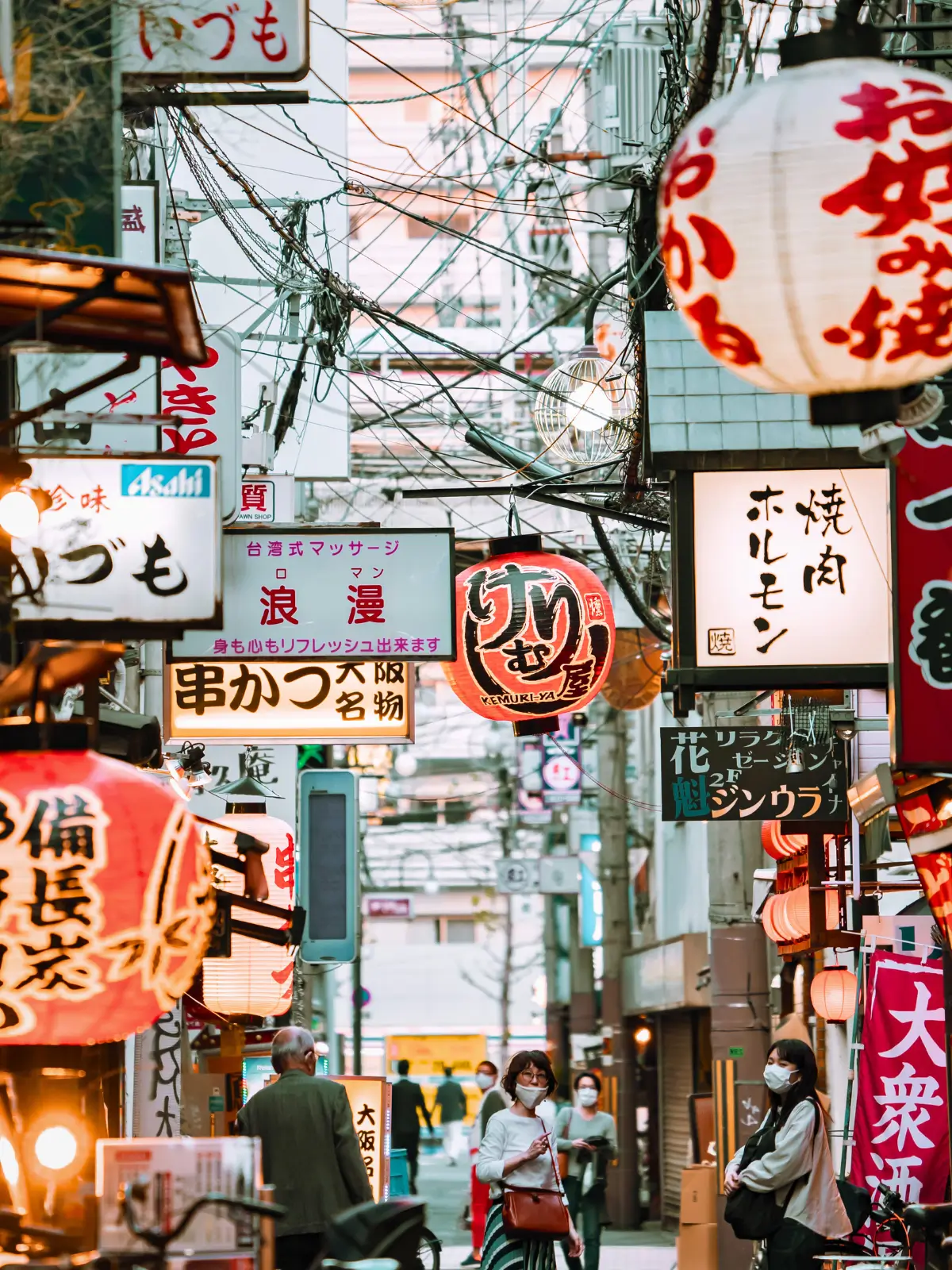
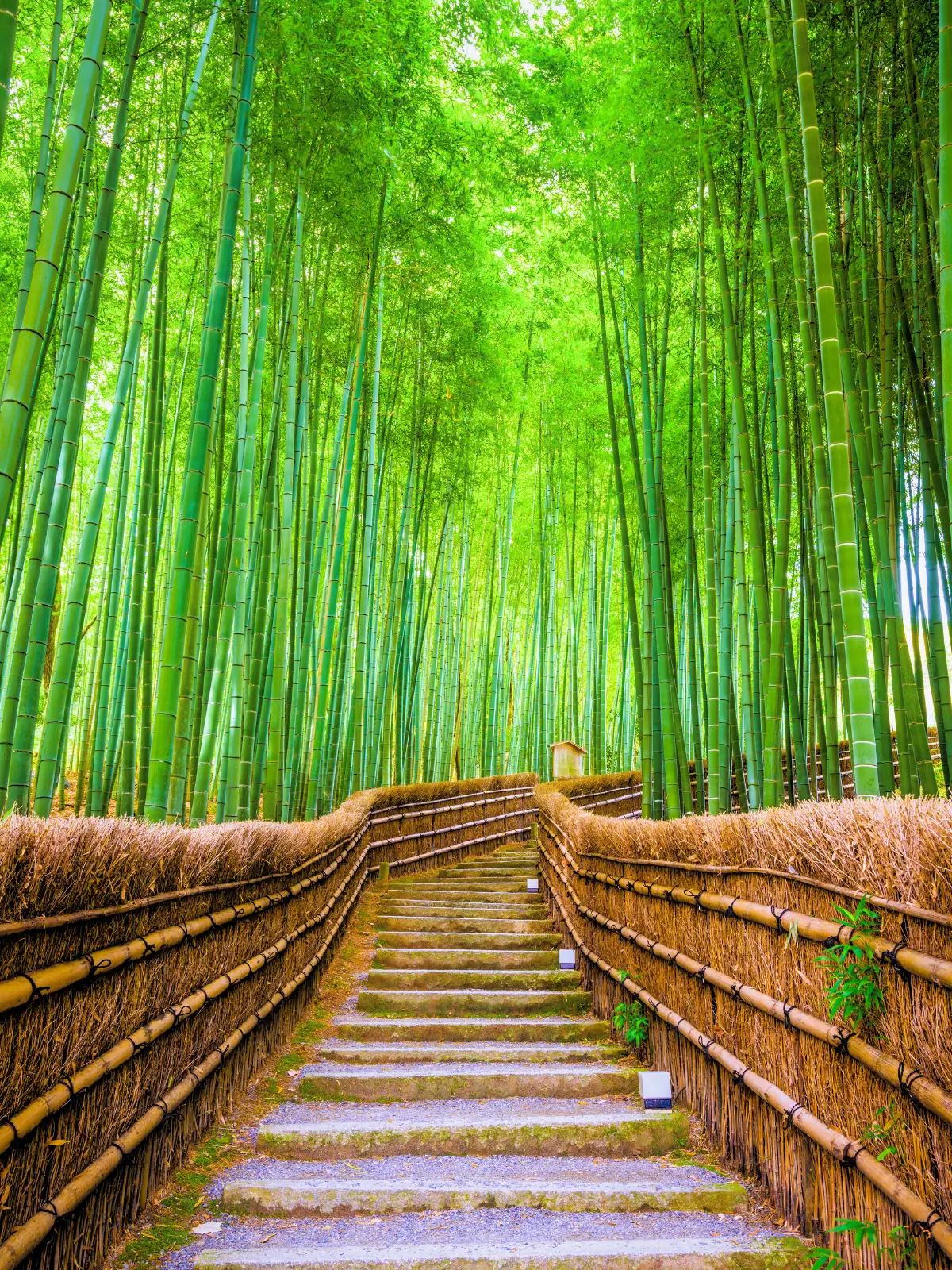
- Arashiyama area
- River and hillside neighbourhoods
- Historic streets
Day 8: Kyoto to Osaka
Travel south to Osaka. The short journey makes changing bases easy, with enough time after arrival to begin exploring nearby areas or settle into the city’s layout.
Suggested Stay: Hotel or apartment in central Osaka
Base: Osaka
Highlights
- Central Osaka districts
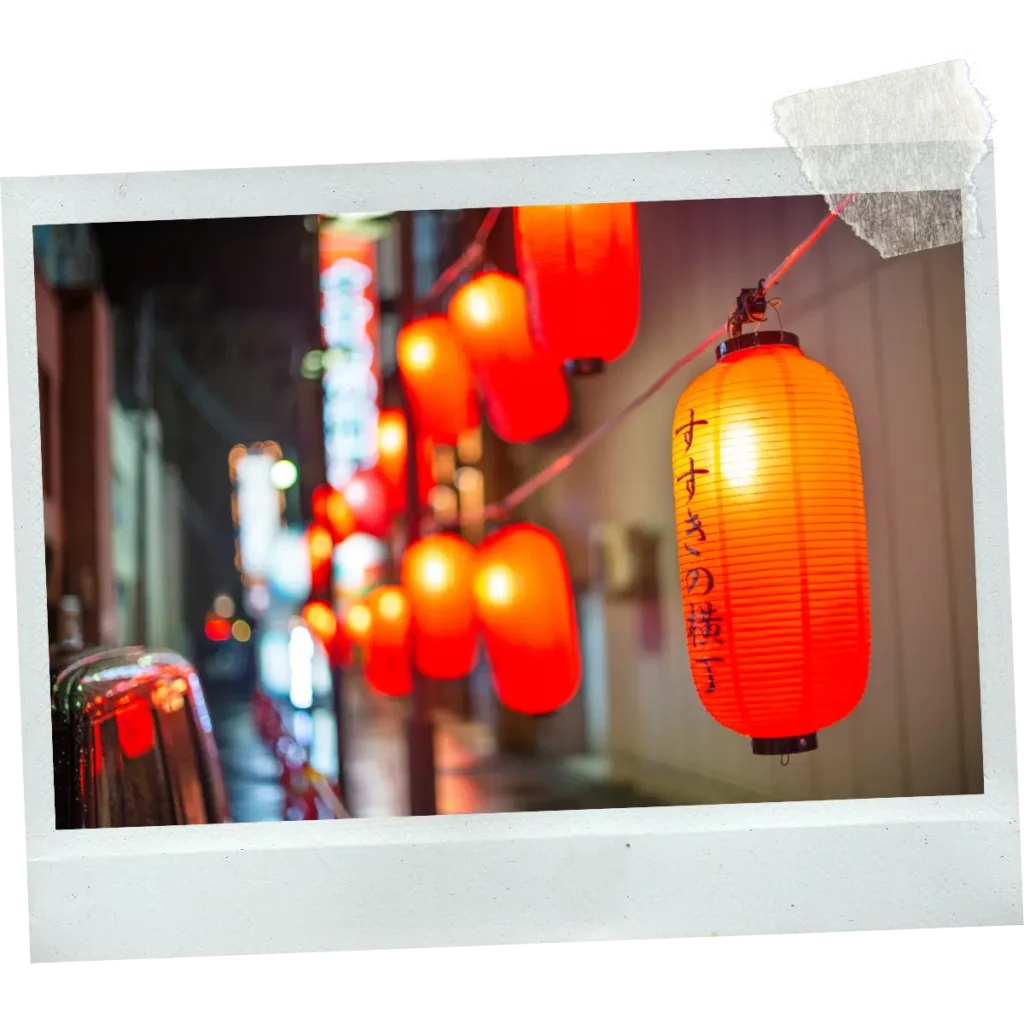
- Evening street-food areas
Day 9: Osaka
Suggested Stay: Same accommodation in Osaka
Base: Osaka
Highlights
- Dōtonbori
- Osaka Castle exterior grounds
- Commercial neighbourhoods
Day 10: Osaka to Hiroshima
Base: Hiroshima
Day 11: Hiroshima and Miyajima
Suggested Stay: Same accommodation in Hiroshima
Base: Hiroshima
Highlights
- Peace Memorial Park
- Itsukushima Shrine torii gate
- Island and waterfront views
Day 12: Hiroshima to Tokyo
Suggested Stay: Hotel near Tokyo airport or central Tokyo
Base: Tokyo
Day 13: Departure from Tokyo
Route: Accommodation → Airport
Things to Know Before Visiting Japan
1. Quiet Is the Default in Public Spaces
2. Noodles Are Often Eaten Audibly
3. Rubbish Bins Are Limited
4. Shoes Are Removed in Certain Settings
5. Queuing Is the Norm
How to Get There
International Flights
Entry Airports and Main Gateways
Regional and Sea Entry
Entry Requirements
What to Expect
Navigation Takes Longer Than It Looks
Major stations are large and complex, with multiple exits leading to very different areas. Choosing the wrong exit can add a significant walk. Extra buffer time is useful, especially in cities like Tokyo and Osaka.
Accommodation Rooms Are Often Compact
Early Starts Are Common
Weather Can Vary Sharply by Region
Reservations Matter More Than You Think
Getting Around Japan
Trains
Rail travel forms the core of movement across Japan. High-speed Shinkansen connect major cities efficiently, while regional and local trains handle day-to-day travel. Stations are frequent, well signposted, and integrated with surrounding neighbourhoods.
