
A Helpful Guide To Organising Your Trip To Monaco
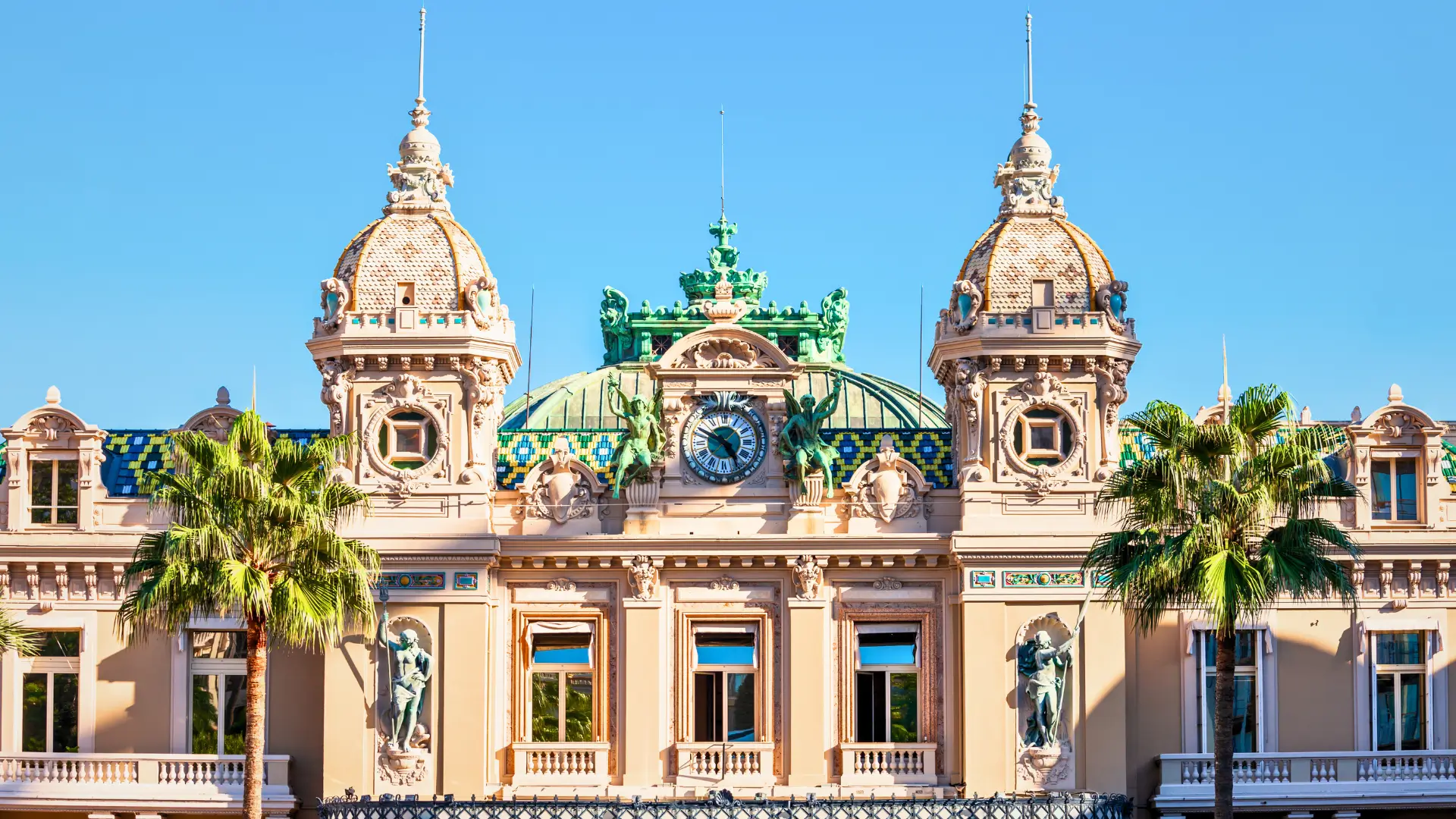
Monaco is a tiny country on the French Riviera, easy to visit even on a short trip. You can see most of it in a day, with areas like Monte Carlo, the harbour, and the Old Town close together.
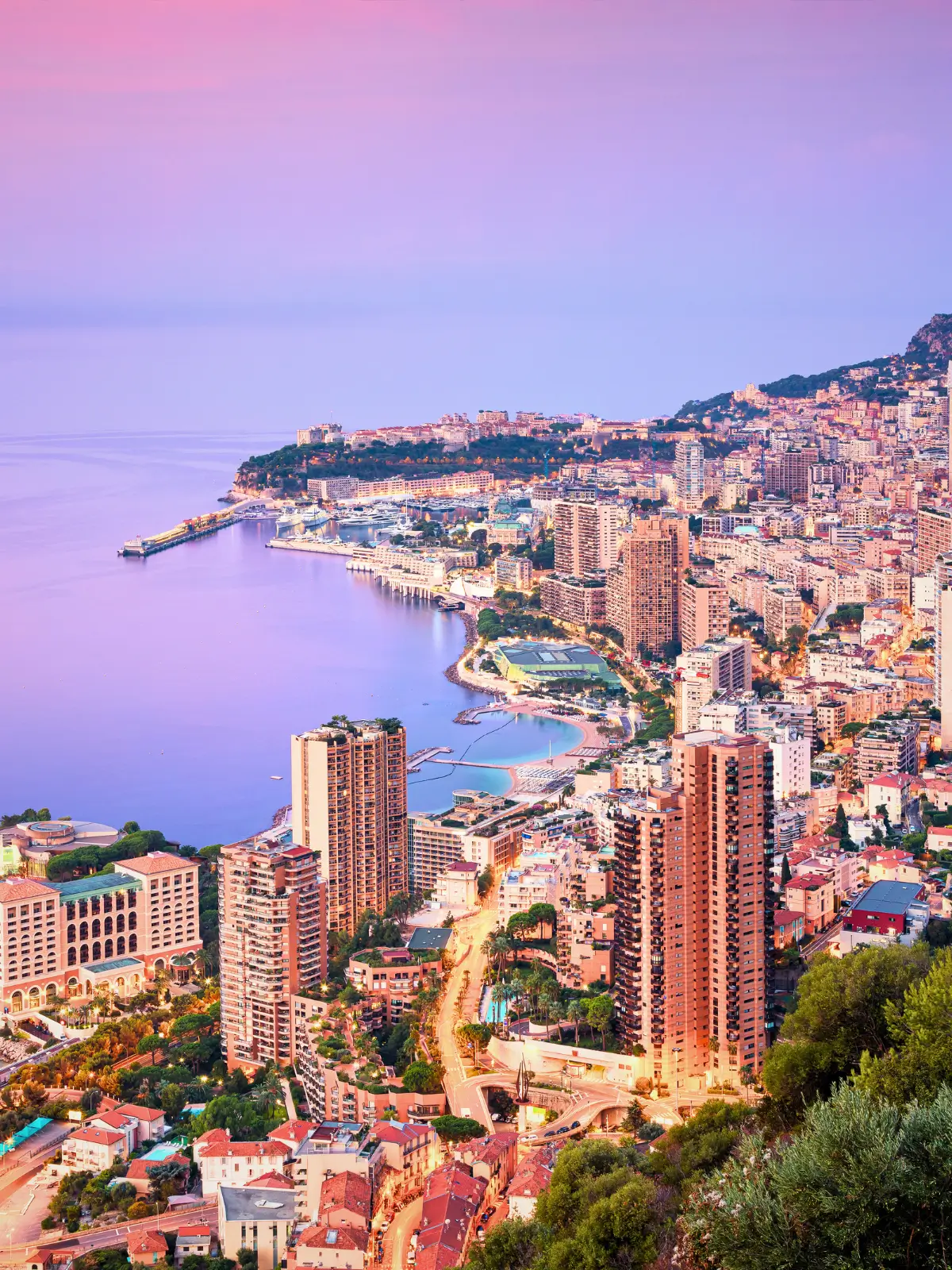
It’s known for its waterfront setting, large yachts, and the Monte Carlo Casino. The Old Town sits on higher ground, while newer areas stretch along the coast with modern buildings and sea views.
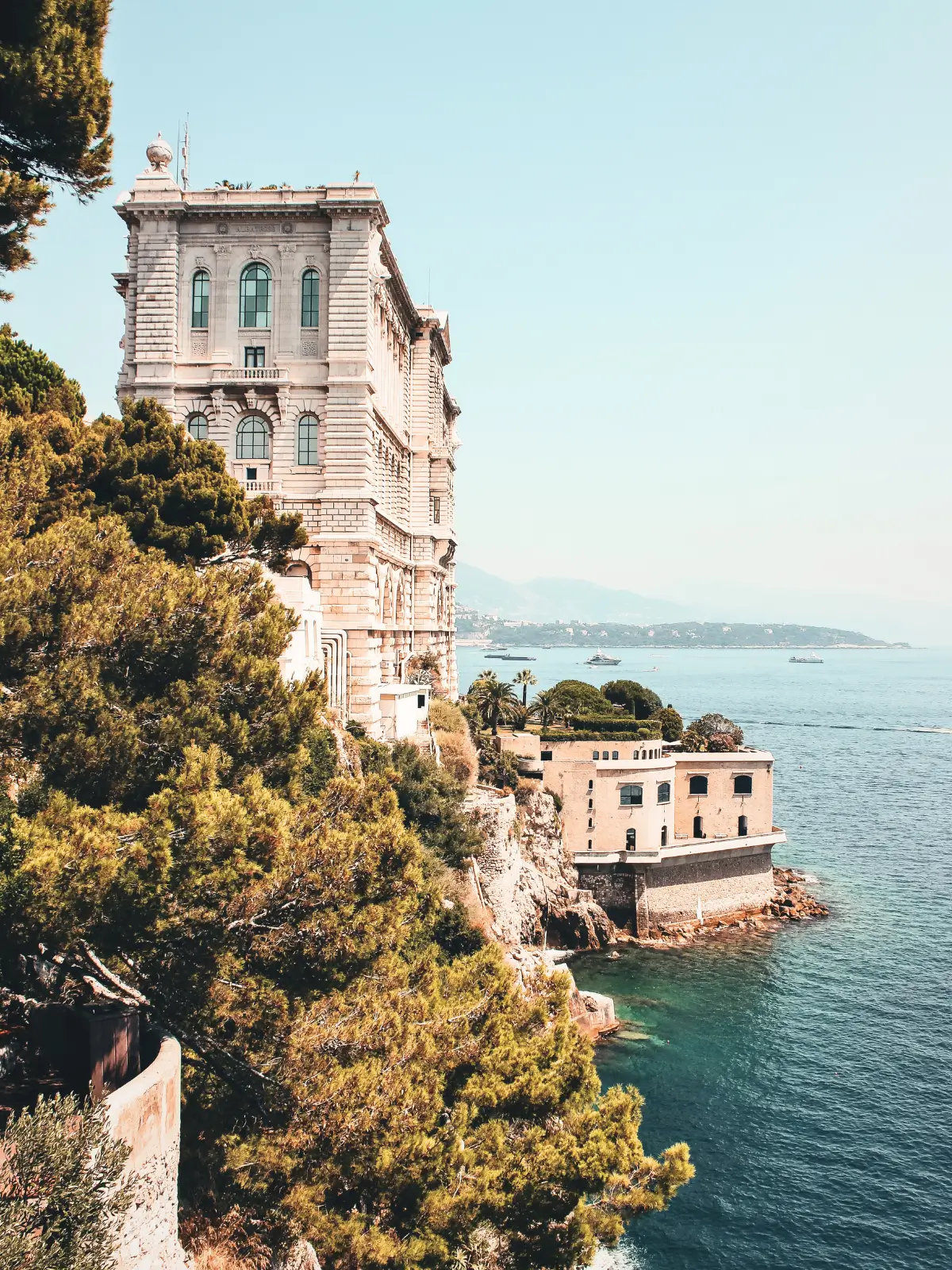
The Monaco Grand Prix runs through the streets each year, and parts of the track stay visible year-round. Places like the Oceanographic Museum give you more to see beyond the main landmarks.
There’s no income tax, which has attracted wealthy residents and shaped how the country developed. Space is limited, and everything feels compact, organised, and easy to navigate once you understand the layout.
Did You Know?
- Monaco is the second smallest country in the world, with a total area of just 2.08 square kilometres, and you can cross it on foot in under an hour.
- It has one of the highest population densities globally, with around 18,000 people per square kilometre. Space is carefully planned across the country.
- Monaco has around 30% of its residents classified as millionaires, and you’ll notice the luxury lifestyle and high-end cars almost everywhere.
- Around 20–25% of Monaco’s land has been reclaimed from the sea, and new districts continue to expand Monaco outward.
- Monaco doesn’t charge personal income tax for most residents, and this policy has drawn wealthy individuals from across Europe.
- There’s no airport in Monaco, and most visitors arrive via Nice Côte d’Azur Airport before continuing by car, train, or helicopter.
- The Monaco Grand Prix takes place on public roads, and the streets turn into a tight race circuit each year.
- The House of Grimaldi has ruled for over 700 years, and it remains one of the oldest monarchies still in power.
- It keeps one of the highest police-to-resident ratios in the world, with about 1 officer per 100 residents, and crime levels stay very low.
- The Monte Carlo Casino doesn’t allow Monaco citizens to gamble, and most visitors inside are tourists.

I love exploring new places and sharing the travel tips, food finds, and experiences that help you plan your next adventure.
Join the
Journey
Sign up for new itineraries, travel notes, and practical guides to help you explore the places I love most.
Best Time To Visit Monaco
June to August falls in summer and brings hot weather and the busiest months of the year. Beaches, hotels, and restaurants fill up fast, and you’ll need to book early to secure good options.
September to October sits in early autumn and gives you warm weather with fewer tourists around. The sea stays pleasant, and you’ll find better availability and slightly lower prices across Monaco.
Monaco At A Glance

Language
French is Monaco’s official language, and it’s used across government and public spaces. Many locals also speak English and Italian, especially in tourist areas.

Currency and Costs
Euro (EUR). Approximate rate: 1 USD ≈ 0.90–0.95 EUR. Expect very high costs, especially for hotels and dining.

Payments
Most hotels, restaurants, and shops accept credit and debit cards. Contactless payments are common, though it’s useful to carry some cash.

Tipping
Tipping isn’t expected. Service is usually included, though a small extra tip is appreciated.

Safety
Monaco feels very safe, with a strong police presence across the country. Stay aware in busy areas.

Connectivity
Mobile coverage is strong across Monaco, including along the coast and in dense urban areas. Most hotels and cafés offer fast and reliable Wi-Fi.
A Detailed Monaco Itinerary
This 3-day route keeps one base in Monaco and moves through the main areas in a simple order. The old town comes first, then Monte Carlo, then the harbour and coast.
Everything is close, which makes it easy to get around on foot, with short bus rides or lifts if needed. The extra day can be used for a quick Riviera trip if you want to see more beyond Monaco.
Day 1: Arrival and Monaco-Ville
Most people arrive via Nice Airport, then take a train, bus, or taxi into Monaco. The first day is best spent in Monaco-Ville, the old town sitting above the sea. It’s compact, easy to walk, and a good place to settle in without needing much planning.
Suggested Stay: Boutique hotel in Monaco-Ville or near Port Hercules
Base: Monaco
Highlights
- Prince’s Palace
- Old Town streets
- Saint Nicholas Cathedral
- Oceanographic Museum
Day 2: Monte Carlo and Central Areas
The second day focuses on Monte Carlo and nearby areas. This is the more polished side of Monaco, with grand buildings, gardens, and sea views. Everything connects easily on foot, with lifts and escalators helping with the hills.
Suggested Stay: Hotel near Monte Carlo or central Monaco
Base: Monaco
Highlights
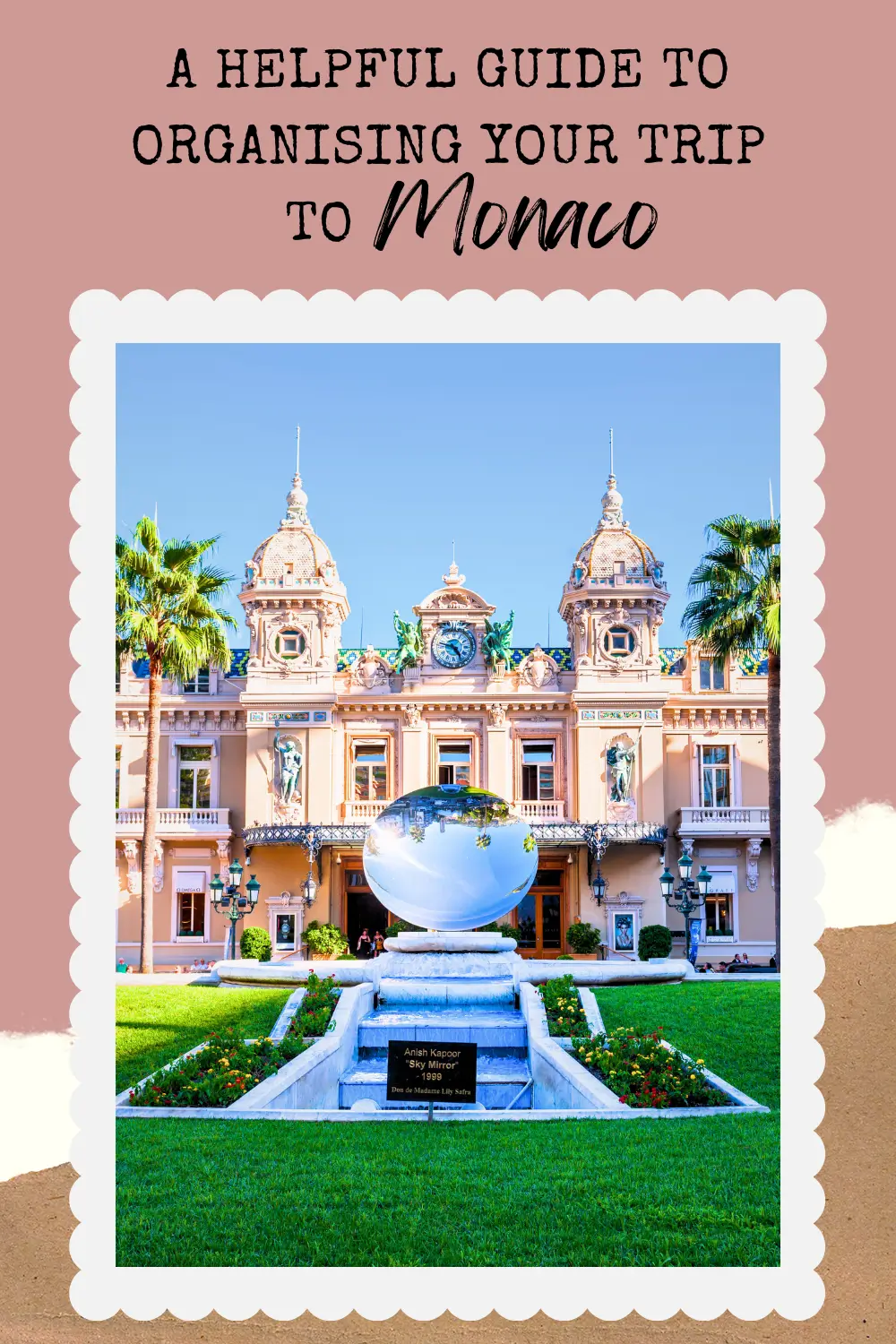
- Casino de Monte-Carlo
- Place du Casino
- Japanese Garden
- Larvotto Beach
Day 3: Harbour and Coastal Walks
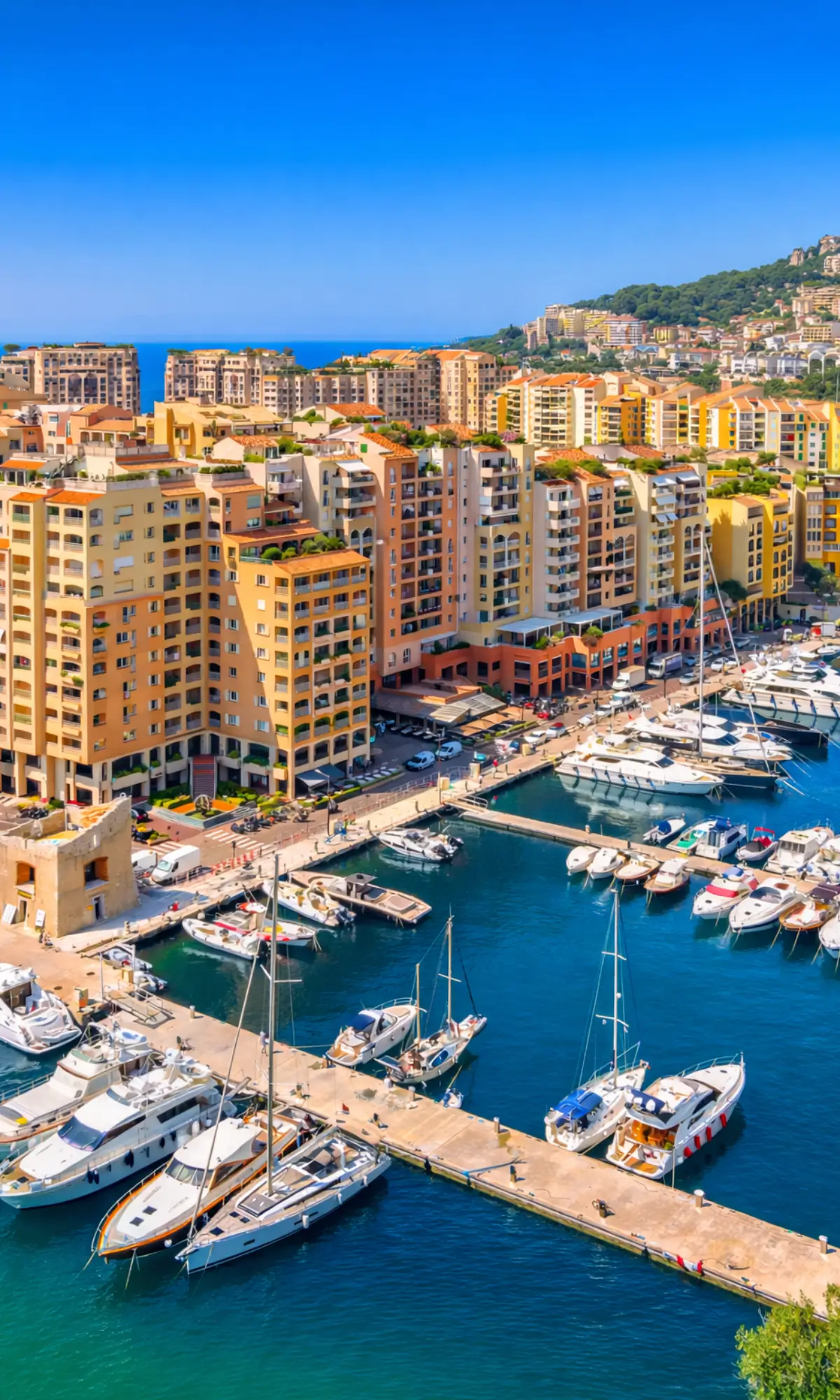
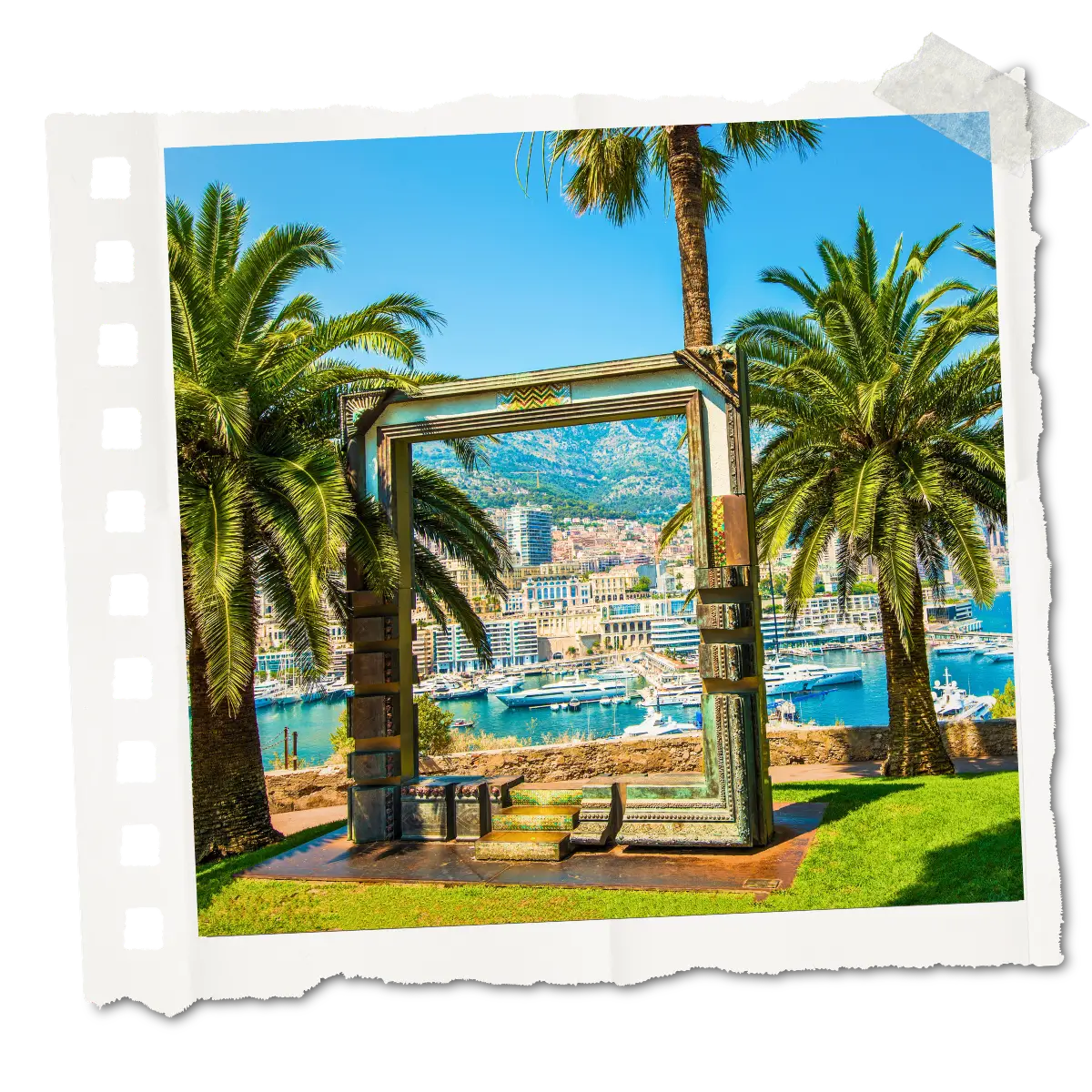
This day focuses on Port Hercules and the coastline. The harbour connects most areas, making it easy to move around without rushing. Walking along the coast feels more laid-back, with open sea views and less foot traffic compared to Monte Carlo.
Base: Monaco
Highlights
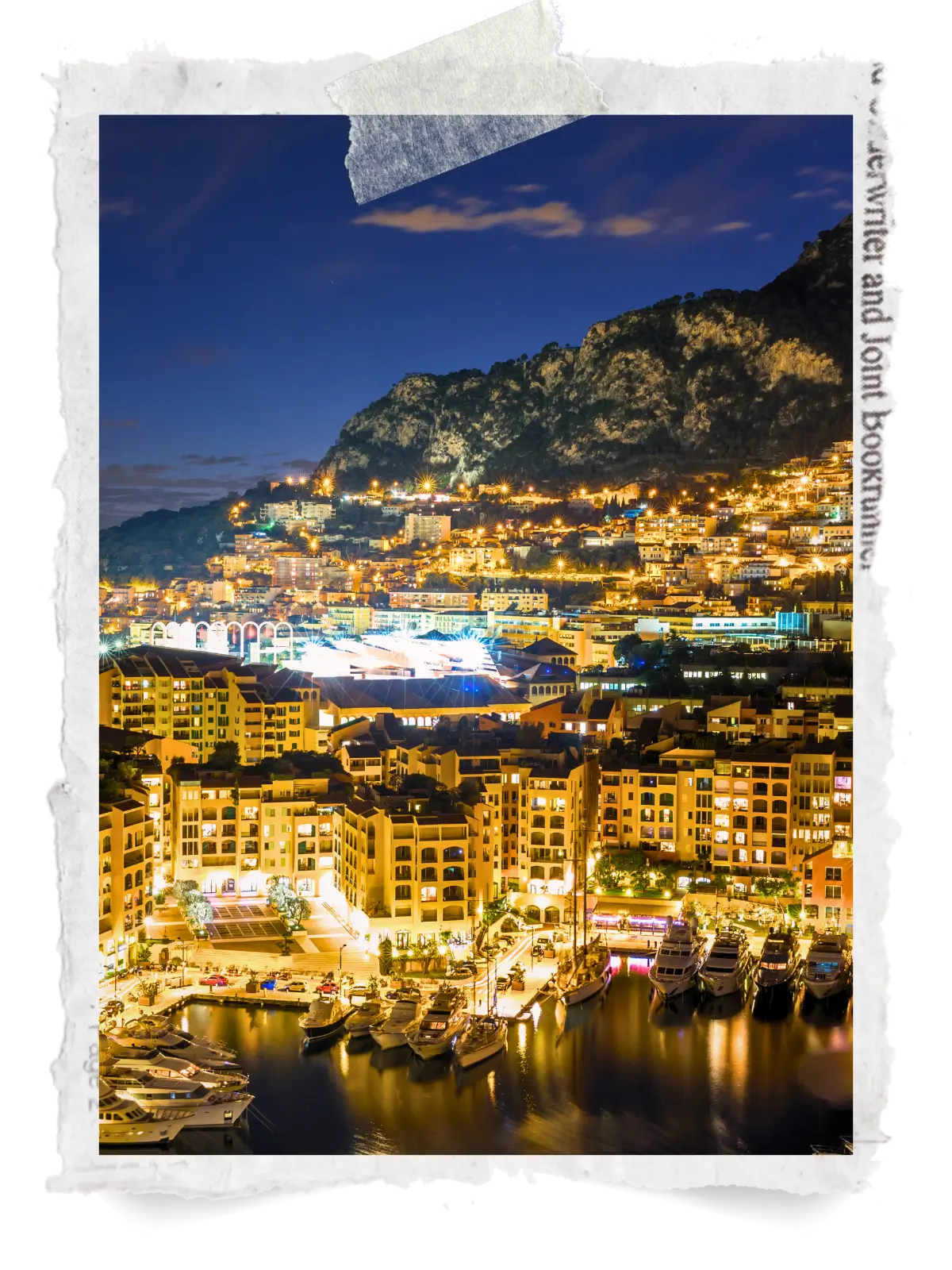
- Port Hercules
- Yacht harbour
- Fort Antoine
- Coastal paths
Day 4: Optional Riviera Day Trip
If you have an extra day, it’s worth stepping outside Monaco. Trains run frequently along the coast, and most places are under 30 minutes away. Nice is the easiest option, while Èze gives hilltop views, and Menton feels quieter and more local.
Suggested Stay: Same base in Monaco
Route: Monaco to Nice, Èze, or Menton
Highlights
- Coastal train views
- Old towns and seaside promenades
- French Riviera atmosphere

Things To Know Before Visiting Monaco
1. Expect Prices To Climb Faster Than You Think
Menus in central areas often list premium options first. Checking prices before ordering helps avoid surprises.
2. Be Ready For Hills, Stairs, and Elevation Changes
Monaco sits on steep terrain, and walking often means going uphill or taking stairs. Routes can take longer than expected without using lifts and escalators. Maps don’t always show elevation clearly. Short distances can feel much longer on foot.
3. Use Public Lifts To Get Around Easily
Public lifts and escalators connect different levels across the city. They save time and energy when moving between the harbour and higher areas.
Many lifts are free and open to the public. Signage exists, but it’s not always obvious at first.
4. Dress Appropriately
Monaco leans towards a smart, well-dressed look, even during the day. Casual beachwear stands out in places like Monte Carlo and indoor venues. Simple outfits tend to fit in better. Evenings often call for slightly more formal clothing.
5. Plan Around Events Or You’ll Pay More
Major events like the Monaco Grand Prix bring large crowds and push prices up across hotels and restaurants.
Availability drops fast during these periods. Road closures affect movement across the city. Booking early helps secure better options.
6. Don’t Rely On Taxis As Your Main Transport
Taxis are available but expensive and not always easy to find. Walking routes and public transport often work out faster. Wait times increase during busy periods. Short trips rarely justify the cost.
7. Expect Casino Entry Rules To Be Strict
The Monte Carlo Casino requires a valid ID and proper dress standards. Entry can be refused without a passport or suitable clothing. Some areas require an entry fee. Photography rules apply inside.
8. Plan Ahead For Beach Access
Some beach areas operate through paid setups or private clubs. Costs add up quickly without planning in advance. Public beach space is limited compared to nearby towns. Options fill up fast in summer.
How to Get There
Entry Requirements and Visa Rules
Monaco uses the same entry rules as France under the Schengen Area. Many travellers can stay for up to 90 days within a 180-day period without a visa.
If a visa is required, you’ll need to apply through a French embassy before travel. Entry checks happen through France, not Monaco itself.
Passport Validity
Your passport needs at least 3 months’ validity beyond your departure date. It must be issued within the last 10 years and include blank pages.
You won’t go through a border check inside Monaco. Officials check documents when you enter France.
Main International Airports
Nice Côte d’Azur Airport is the closest airport and the main access point for Monaco. It handles both short-haul and long-haul routes.
Monaco doesn’t have its own airport. It only operates a heliport for short transfers.
Flying Into Monaco
Nice offers the easiest access with frequent connections from across Europe and major global cities. It’s the most straightforward option for reaching Monaco.
Flights don’t land in Monaco itself. You’ll continue from France after arrival.
Ferry Connections
There are no regular ferry routes into Monaco. The harbour mainly receives yachts and cruise ships. You’ll find more ferry options in nearby ports like Nice and Cannes. From there, Monaco is reached by road or train.
Arriving By Train From Neighbouring Countries
Monaco connects well by rail along the French Riviera. Direct trains run from Nice, Cannes, and Menton throughout the day.
Long-distance routes pass through hubs like Paris or Marseille. Train travel often feels easier than short regional flights.
What to Expect
Crowds Peak At Specific Times Of Day
Monaco gets a steady flow of day visitors from nearby cities like Nice.
Train connections make it easy to arrive mid-morning, which pushes crowd levels up in central areas for several hours.
Routes Don’t Always Follow Direct Paths
Getting around rarely feels straightforward. Roads and walkways pass through tunnels or follow the slope instead of straight lines.
Train Station Layout Takes Time To Figure Out
The main station is fully underground and connects to multiple exits. Choosing the wrong one can leave you far from where you planned to go.
Short Distances Still Take Time To Cover
Monaco looks small on a map, but steep terrain between the sea and mountains slows movement. Even nearby places can take longer to reach than expected.
Movement Relies On Vertical Routes
Getting around often means going up or down rather than moving in a straight line. Lifts, escalators, and stairs connect different levels throughout the city.
Some routes involve multiple changes in elevation, even over short distances. Planning your path in advance helps avoid unnecessary detours.
Underground and Tunnel Routes Are Common
Large parts of Monaco run through tunnels due to limited space. Roads and rail lines use underground routes to connect key areas.
Walking Is The Main Way To Explore
You can cross Monaco on foot in about an hour. Most areas connect through pedestrian paths rather than longer transport routes.
A Day Visit Needs A Clear Route Plan
Monaco looks easy to cover, but poor planning leads to backtracking. A rough route helps you move between areas without wasting time.
Getting Around Monaco
Walking and Pedestrian Routes
Walking is one of the easiest ways to get around Monaco. You can cross the country quite quickly, but steep terrain slows you down more than expected.
Lifts, escalators, and pedestrian paths help connect different levels across the city.
Public Buses
Monaco runs a compact and reliable bus network with several routes covering the whole country. Buses run frequently during the day and connect areas like Monte Carlo, Monaco-Ville, and Fontvieille.
They’re one of the most practical ways to get around without dealing with hills.
Regional Trains
Monaco has one train station, and the tracks run underground. Trains connect directly to Nice, Menton, and other Riviera towns, with frequent services throughout the day.
This is the fastest way to travel in and out of Monaco.
Taxis and Ride Services
Taxis are available but not as easy to find as in larger cities. You’ll usually find them near hotels and the train station, though wait times can increase during busy periods.
Ride-hailing services exist but have more limited coverage.
Car Rental and Driving
Driving in Monaco can feel tricky due to narrow roads, tunnels, and traffic. Parking is mostly underground and paid, with very few street options. A car makes more sense if you plan to explore outside Monaco.
Helicopter Transfers
Helicopter transfers connect Monaco with Nice Airport in about 7 minutes. Flights run regularly and offer a quick, direct option for arrival or departure.
This is more of a premium choice than a practical one for most travellers.
Cycling and E-Bikes
Electric bikes are available and help with the steep terrain. They work well for short trips between central areas, especially if you want to avoid walking uphill.
Space is limited, which makes cycling less common overall.
Boat Bus and Harbour Transport
A small electric boat bus runs across Port Hercules. It works like a short shuttle and helps you avoid walking around the harbour. It’s best for quick crossings rather than travelling around Monaco.
Join the
Journey
Sign up for new itineraries, travel notes, and practical guides to help you explore the places I love most.

I love exploring new places and sharing the travel tips, food finds, and experiences that help you plan your next adventure.
