Essential Travel Guide to Bosnia and Herzegovina
Bosnia and Herzegovina might not always make the typical European bucket list, but it usually ends up being the highlight of any Balkan trip! It’s a place where you get a bit of everything, including stunning mountain views, historic stone towns, and cultures that have shaped the country over centuries.
Bosnia and Herzegovina is safe for travellers, affordable compared to Western Europe, and ideal for a 5 to 7 day trip. It combines Ottoman history, mountain scenery, and compact travel distances, which makes it easy to explore without long transfers.
Did You Know?
- Bosnia and Herzegovina has one of the shortest coastlines in the world. The country touches the Adriatic Sea for only about 20 kilometers (12 miles) near the town of Neum.
- Sarajevo hosted the 1984 Winter Olympics. The city became the first Winter Olympics host in a socialist country and gained worldwide attention for it.
- World War I effectively started here. The assassination of Archduke Franz Ferdinand in Sarajevo in 1914 triggered the chain of events that led to the First World War.
- Sarajevo is known as the “Jerusalem of Europe.” You can find a mosque, synagogue, Catholic church, and Orthodox church within walking distance in the city centre.
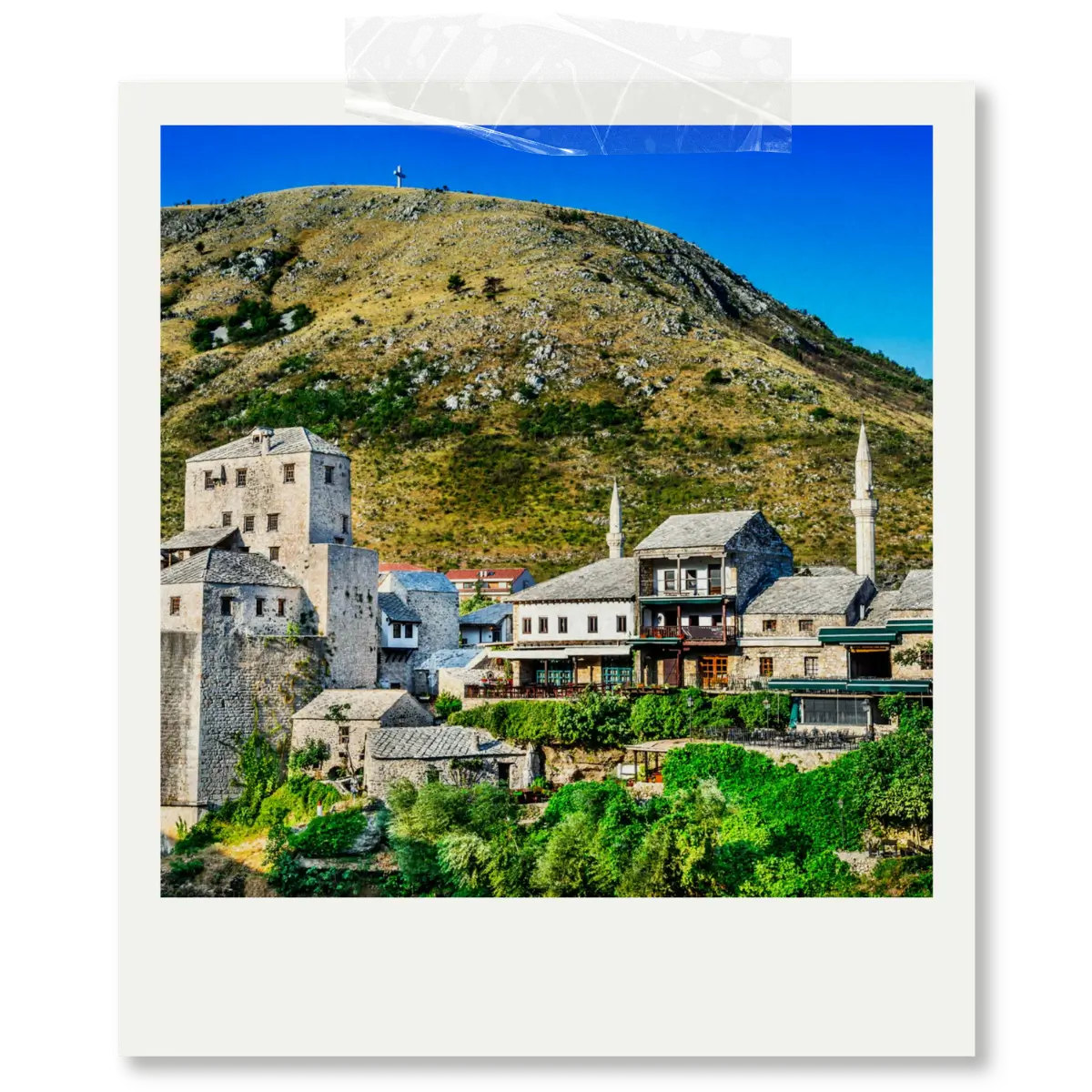
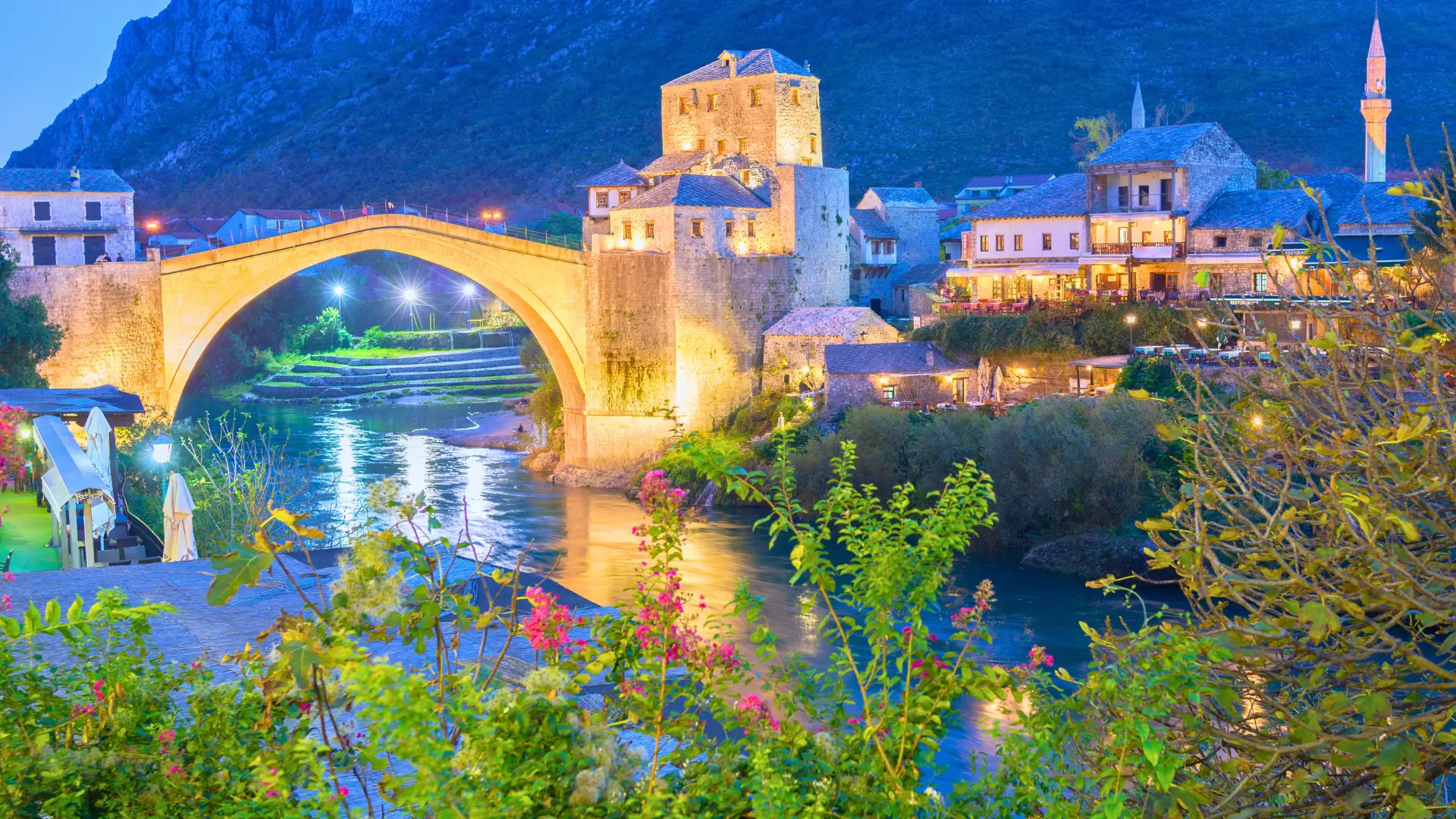
- The famous Stari Most bridge in Mostar was rebuilt after being destroyed in the war. The original 16th-century Ottoman bridge collapsed in 1993, but engineers reconstructed it using traditional techniques and reopened it in 2004.
- Bosnia has one of the last remaining primeval forests in Europe. The Perućica Forest contains trees over 300 years old and remains largely untouched by humans.
- The country has abundant natural water sources, and tap water is generally safe to drink in most areas.
I love exploring new places and sharing the travel tips, food finds, and experiences that help you plan your next adventure.
Join the
Journey
Sign up for new itineraries, travel notes, and practical guides to help you explore the places I love most.
Best Time to Visit Bosnia and Herzegovina
Bosnia and Herzegovina At A Glance

Language
People in Bosnia and Herzegovina speak Bosnian, Croatian, and Serbian. The languages are very similar, so most locals understand each other. English is common in tourist areas, hotels, and restaurants.

Currency and Costs
The local currency is the Convertible Mark (BAM). Approximate rate: 1 USD ≈ 1.7–1.9 BAM, though exchange rates change. Travel costs are fairly low compared with many European countries, though Sarajevo and Mostar may be slightly pricier.

Payments
Cards work in most hotels, supermarkets, and restaurants. Smaller cafés, taxis, and market stalls may prefer cash. ATMs are easy to find in cities and tourist areas.

Tipping
Tipping is optional. Many people round up the bill or leave a small tip if the service is good.

Safety
The country is generally safe for visitors. Stay aware in crowded areas and stick to marked paths in rural regions.

Connectivity
Mobile signal works well in cities and towns. Many hotels, cafés, and restaurants offer Wi-Fi, and internet access is usually reliable.
A Detailed Bosnia and Herzegovina Itinerary
This itinerary follows a simple south-central route through Bosnia and Herzegovina. The journey starts in Sarajevo, continues south to Mostar, then returns to the capital. Distances stay short and manageable. Nearby landmarks are grouped together to keep travel practical.
Day 1: Arrival in Sarajevo
Suggested Stay: Hotel or guesthouse near Baščaršija (Sarajevo Old Town)
Highlights
- Baščaršija historic bazaar
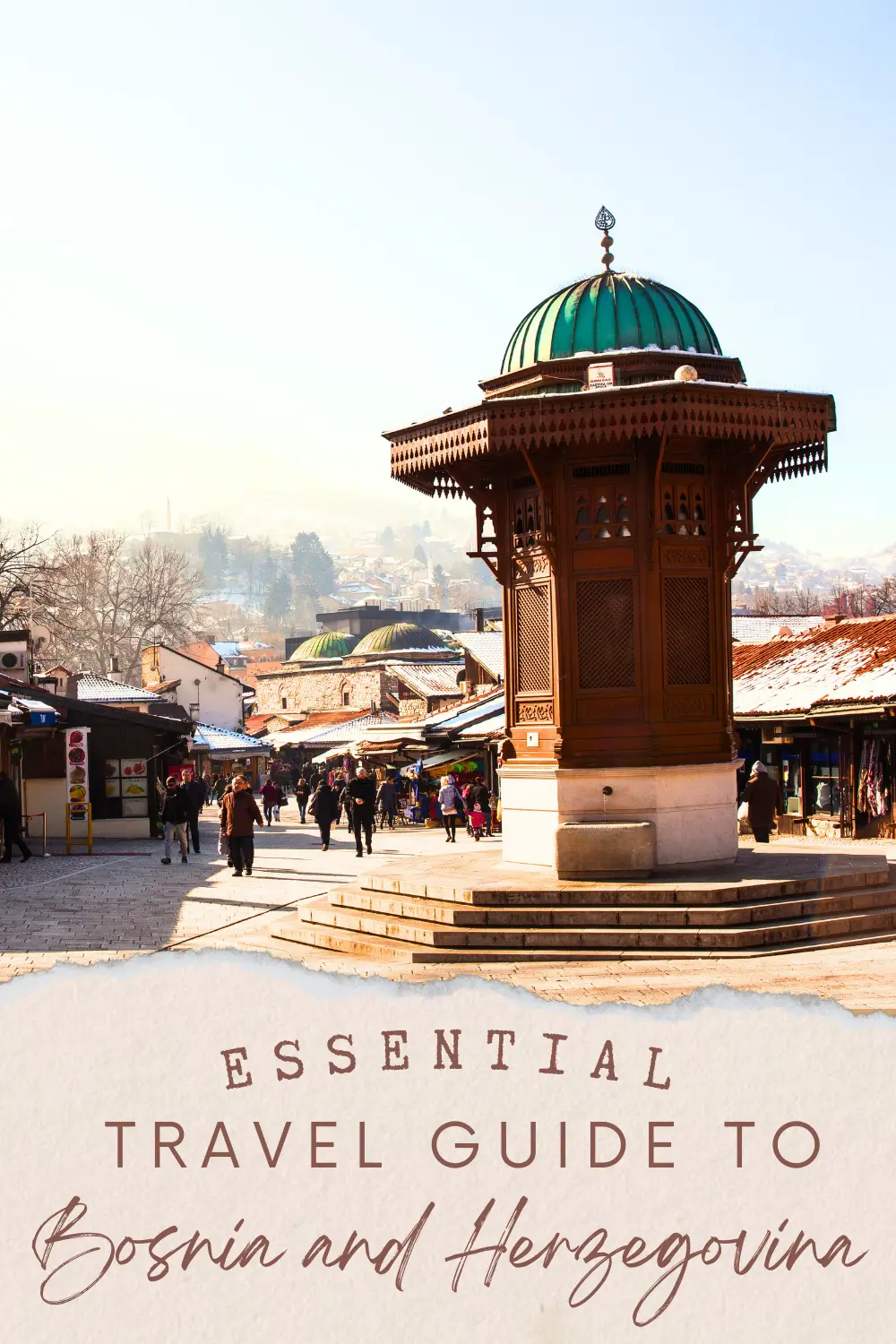
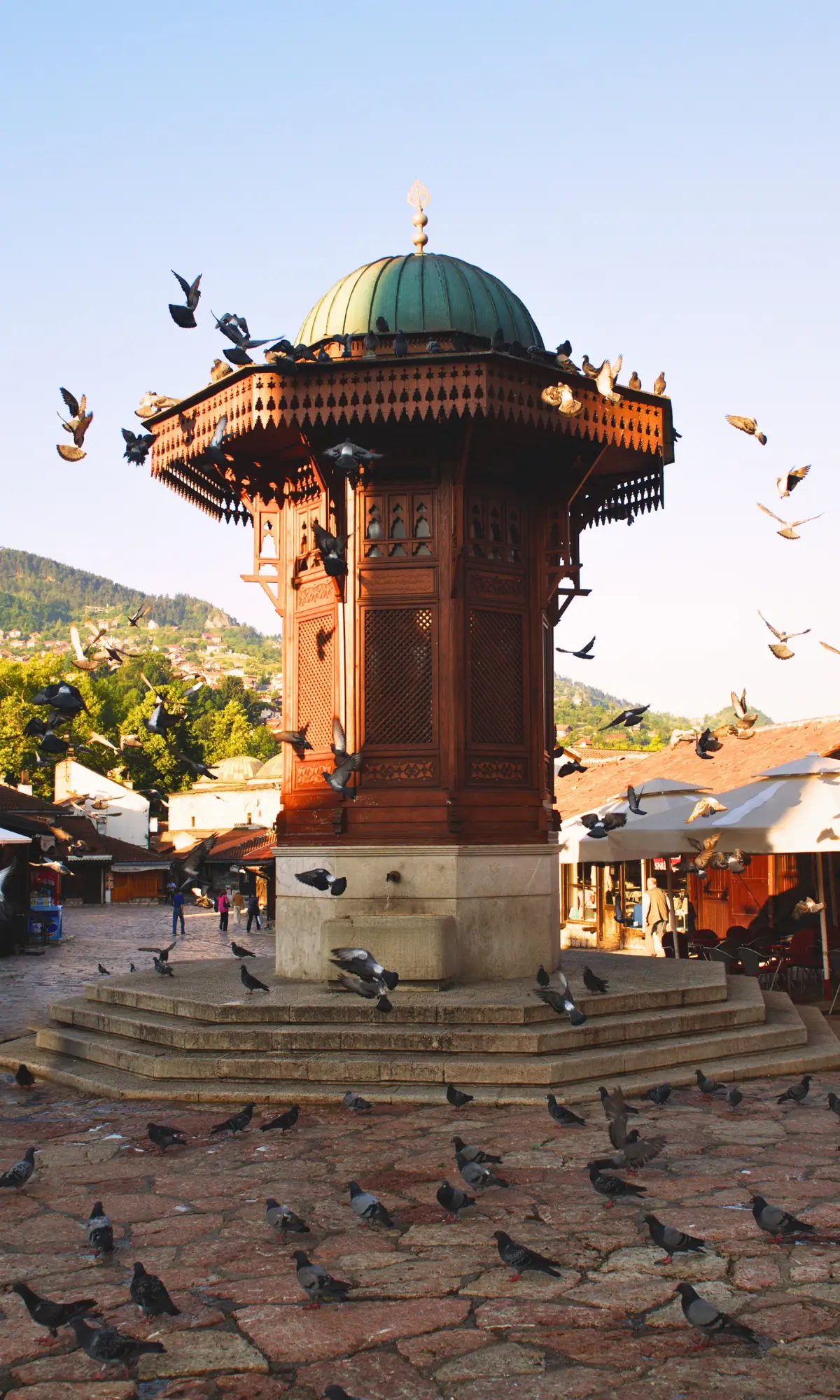
- Sebilj Fountain square
- Latin Bridge
- Miljacka River promenade
Day 2: Sarajevo – Old Town, Views, and Local Landmarks
Suggested Stay: Hotel or guesthouse near Baščaršija (Sarajevo Old Town)
Highlights
- Gazi Husrev-beg Mosque
- Sarajevo City Hall
- Sarajevo Tunnel of Hope Museum
- Yellow Fortress viewpoint
Day 3: Sarajevo to Mostar
Suggested Stay: Hotel or guesthouse near Stari Most (Mostar Old Town)
Route: Sarajevo to Mostar
Highlights
- Neretva River canyon
- Konjic stone bridge
- Herzegovina mountain landscapes
Day 4: Mostar – Historic Centre
Suggested Stay: Hotel or guesthouse near Stari Most (Mostar Old Town)
Base: Mostar
Highlights
- Stari Most bridge
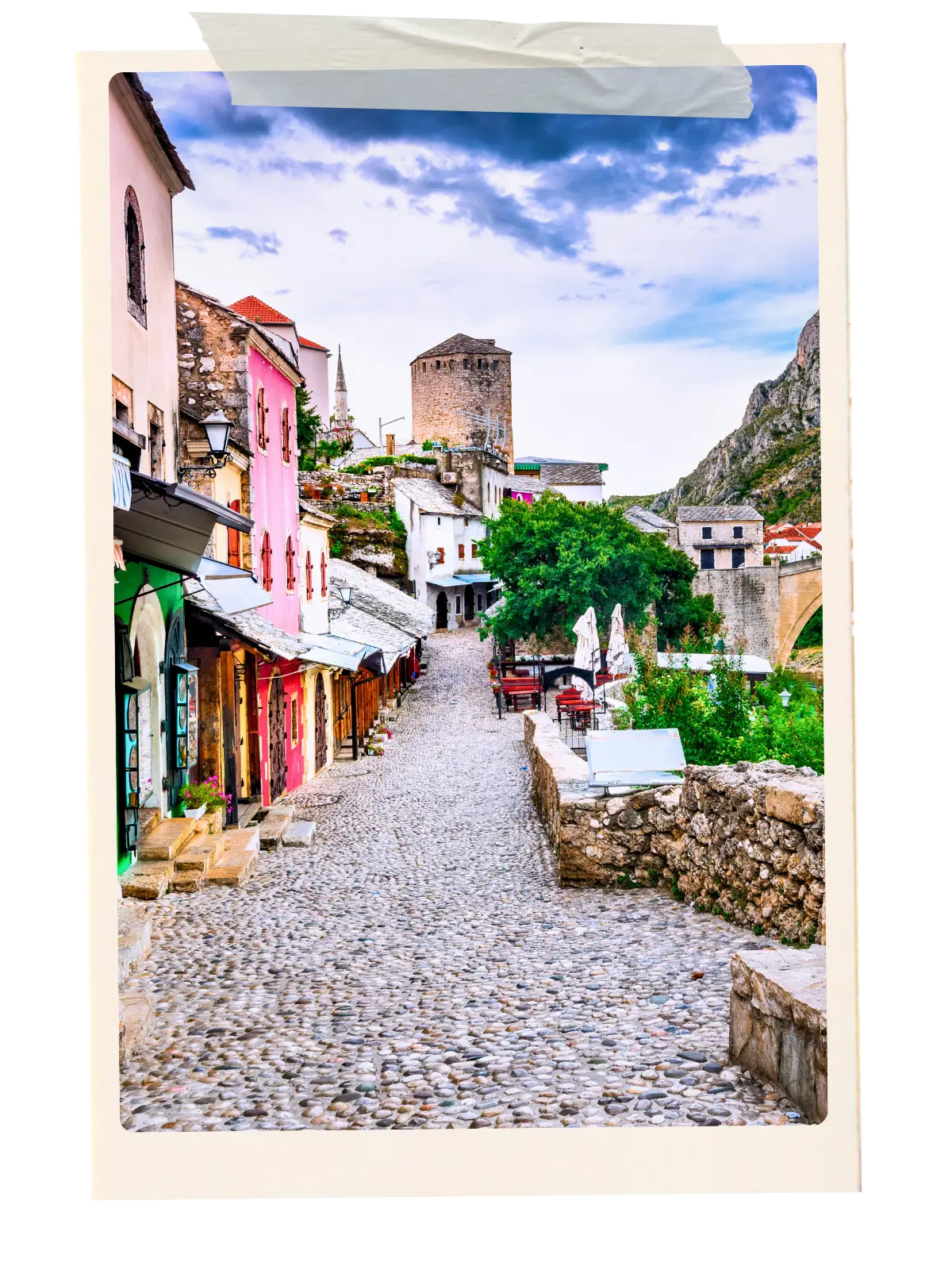
- Kujundžiluk bazaar street
- Koski Mehmed-Pasha Mosque viewpoint
- Neretva river terraces
Day 5: Herzegovina Day Trip – Blagaj and Počitelj
Accommodation remains in Mostar, which works well as a base for exploring nearby villages and natural sites. Day trips to Blagaj and Počitelj are short and easy, allowing you to return to Mostar in the evening.
Suggested Stay: Hotel or guesthouse near Stari Most (Mostar Old Town)
Base: Mostar
Highlights
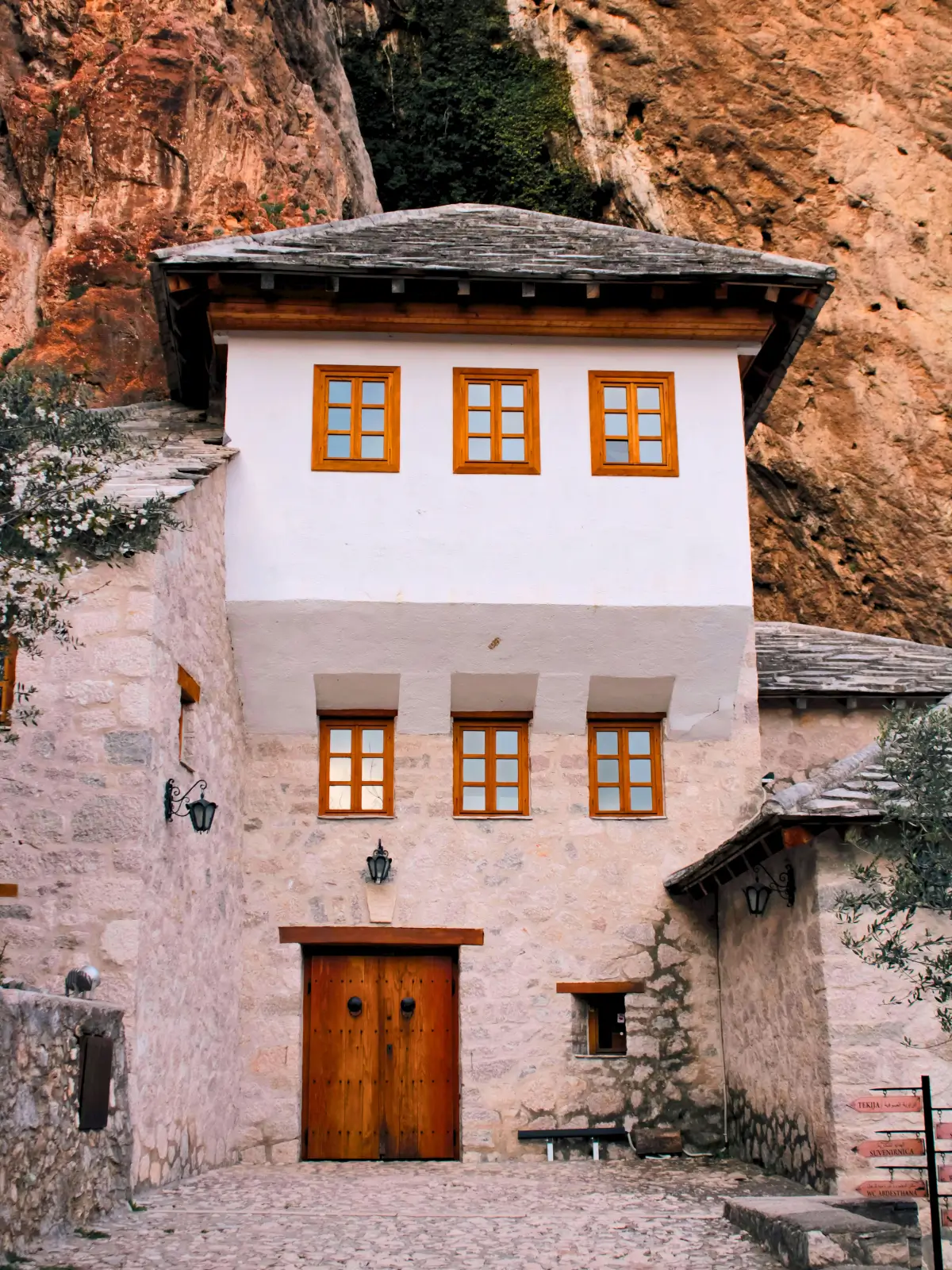
- Blagaj Tekke monastery
- Buna River spring
- Počitelj hilltop village
- Ottoman stone streets
Day 6: Kravica Waterfalls and Return to Sarajevo
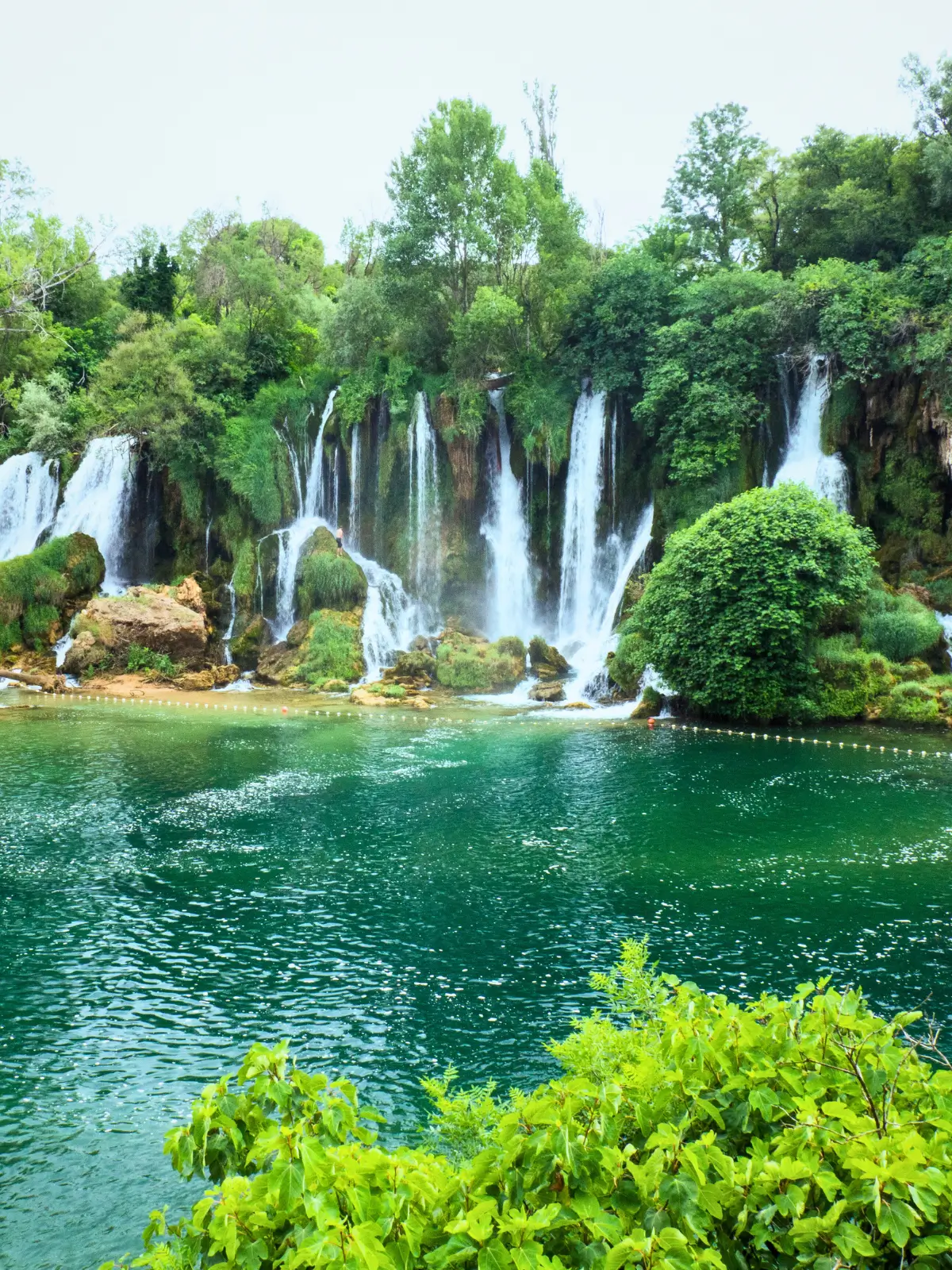
Travel to Kravica Waterfalls in the morning. The waterfalls sit about forty-five minutes from Mostar. After the visit continue north to Sarajevo. The journey usually takes around two to two and a half hours.
Suggested Stay: Hotel or guesthouse near Baščaršija (Sarajevo Old Town)
Route: Mostar to Sarajevo
Highlights
- Kravica Waterfalls
- Herzegovina countryside
- Neretva River valley views
Day 7: Departure from Sarajevo
Route: Sarajevo to Sarajevo International Airport
Highlights
- Sarajevo valley views
- Mountain landscapes surrounding the capital
Things To Know Before Going to Bosnia and Herzegovina
1. Stay on Marked Trails in the Countryside
2. Eat Where Locals Eat
Look for small spots called ćevabdžinica (for ćevapi) or buregdžinica (for burek). These places focus on one dish and usually serve some of the best local food.
3. Don’t Rush Bosnian Coffee
4. Wear Good Walking Shoes
5. Expect Border Checks When Travelling Around
6. Respect War Memorials and History
How to Get There
International Flights
Entry Requirements
Arriving Overland
International buses connect Bosnia and Herzegovina with major cities across the Balkans. Border checks are standard, and wait times can vary depending on the crossing and travel season.
What to Expect
Strong Coffee Culture Everywhere
Visible Layers of History
You’ll see history everywhere. Ottoman mosques, Austro-Hungarian buildings, and Yugoslav-era structures often stand side by side. Some buildings still show marks from the 1990s war, especially in Sarajevo.
Bakeries on Almost Every Corner
Outdoor Spots Are a Big Part of the Trip
Scenic Road Journeys
Getting Around Bosnia and Herzegovina
Use Buses for Most Trips
Take the Scenic Train Between Sarajevo and Mostar
If you have time, choose the train instead of the bus for the views.
Expect Mountain Roads When Driving
Travel times can be longer than they look on the map. Drive carefully, especially on rural roads.
Walk in Historic City Centres
Use Taxis for Short City Trips
Join the
Journey
Sign up for new itineraries, travel notes, and practical guides to help you explore the places I love most.
I love exploring new places and sharing the travel tips, food finds, and experiences that help you plan your next adventure.