
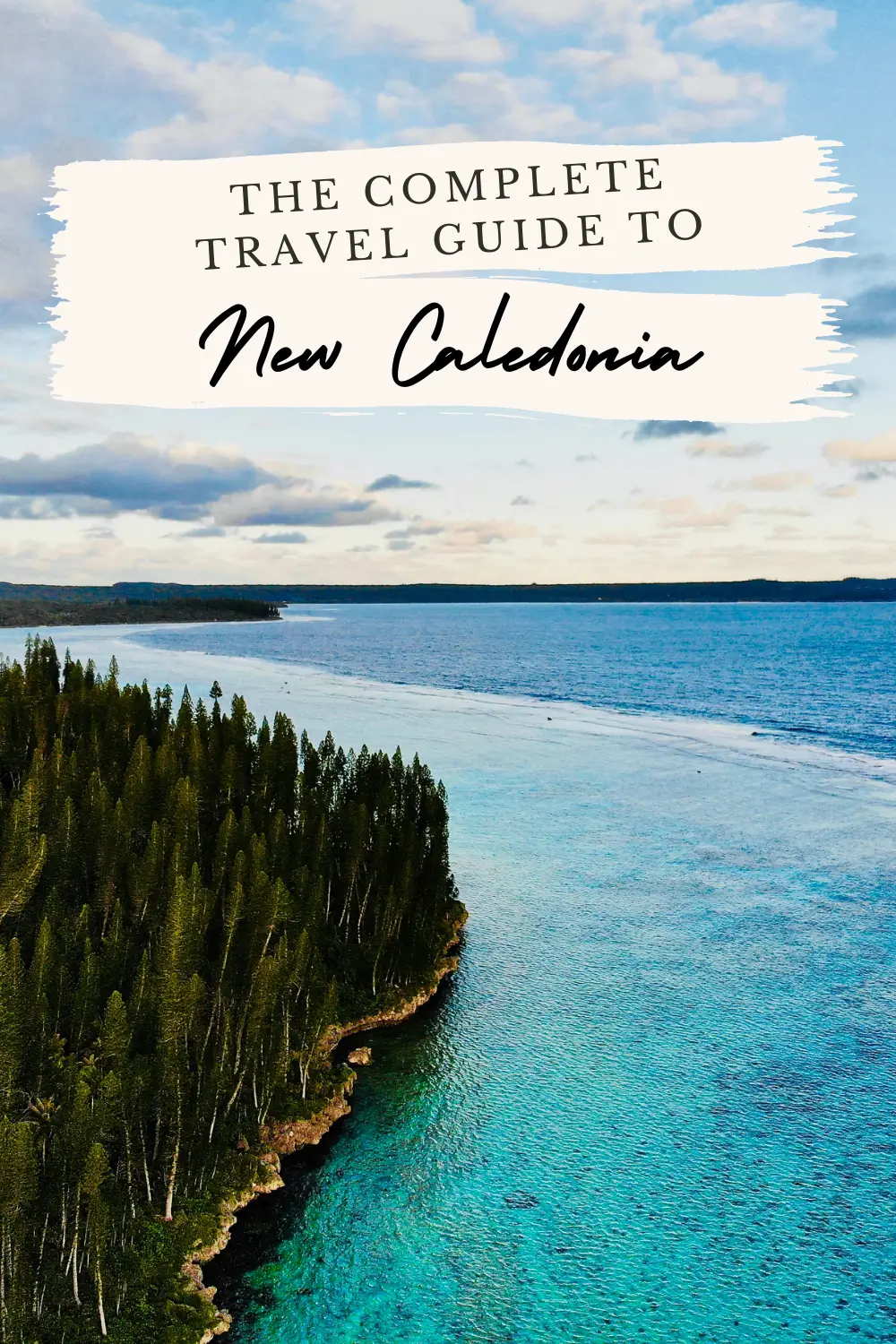
The Complete Travel Guide to New Caledonia
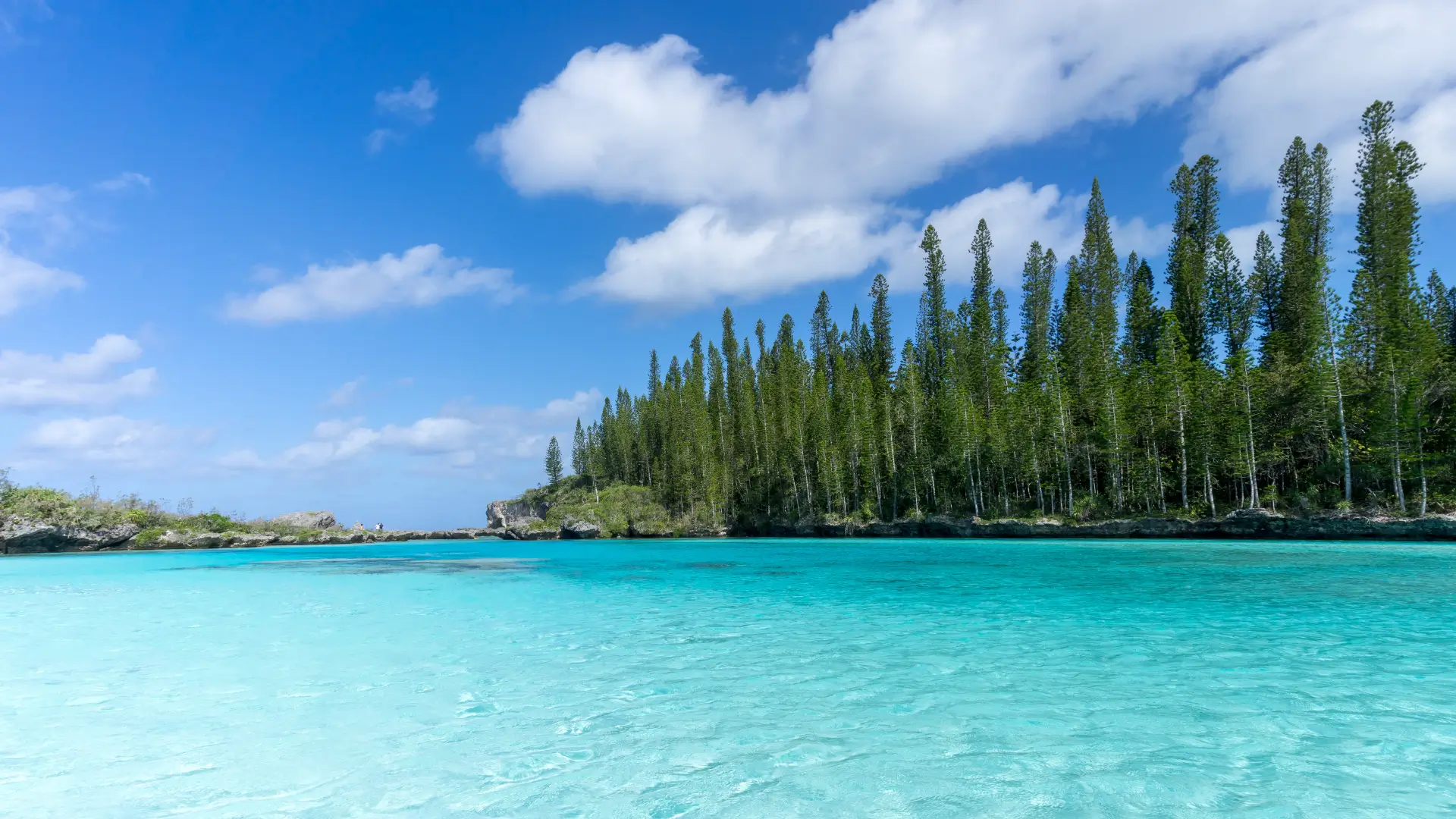
New Caledonia is a French territory in the South Pacific, east of Australia. The main island, Grande Terre, is long and narrow and surrounded by a large lagoon and coral reef. Nouméa sits on a peninsula along the coast.
The city includes residential neighbourhoods, waterfront paths, marinas, cafés, and shopping areas.
Outside the capital, the landscape shifts quickly. Sections of the island are marked by deep red soil and rolling hills. Development thins out beyond the main urban areas.
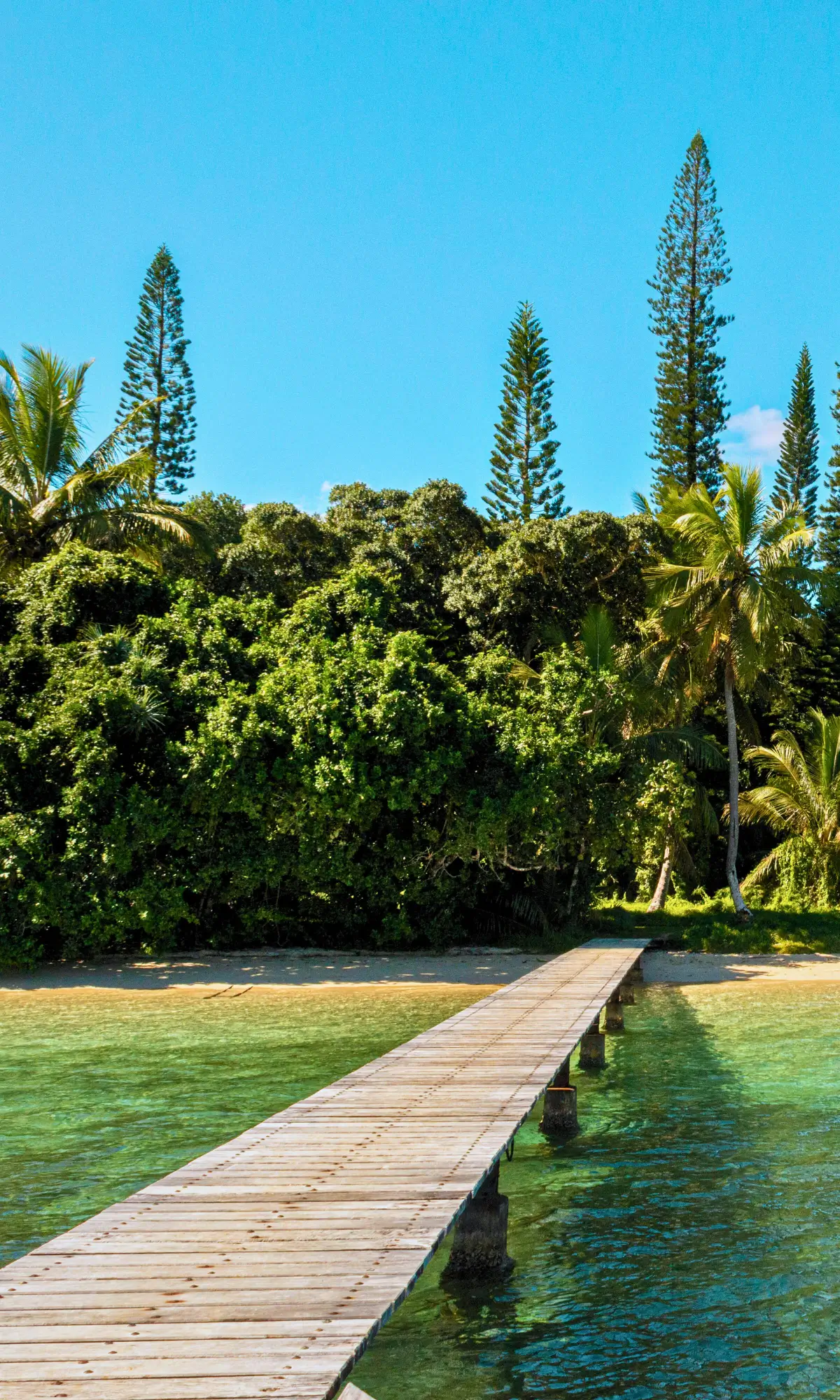
Small communities are located between forest and coastline, and long stretches of beach remain largely undeveloped. The lagoon remains close for most of the drive, with shallow coastal areas offering good visibility.
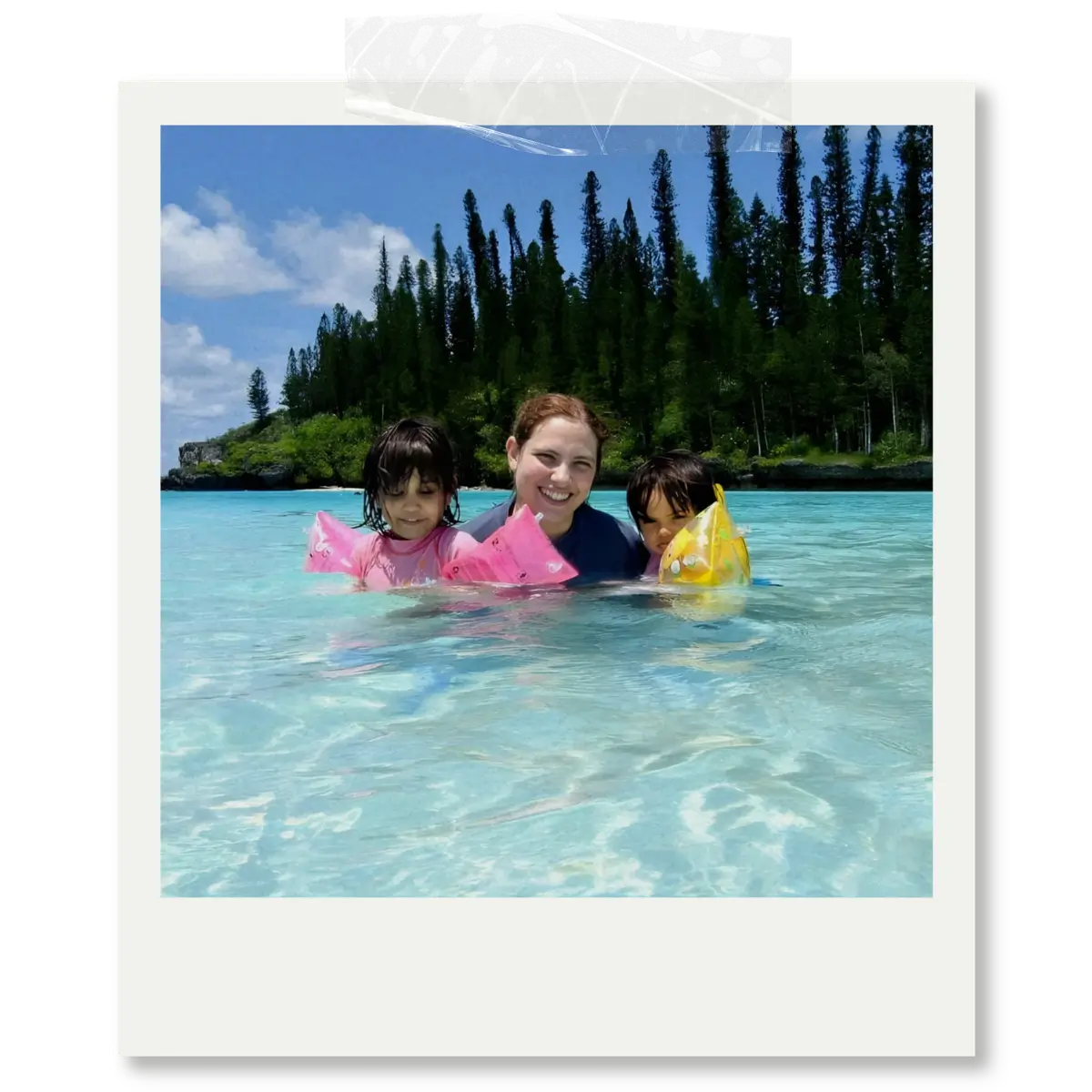
The Isle of Pines lies south of the mainland and is one of the most visited islands. It is known for clear water, pale sand, and tall pine trees along the coast.
La Piscine Naturelle is a natural tidal pool reached by a short walk through the forest. The water there is shallow, visibility is strong, and coral and fish can be seen without diving. Clear water, open coastline, and long stretches of reef define much of the experience.
Did You Know?
- New Caledonia has one of the largest lagoons in the world. The lagoon and surrounding barrier reef stretch for around 1,600 kilometres and hold UNESCO World Heritage status.
- The lagoon covers roughly 24,000 square kilometres. It spans a larger area than some small countries.
- New Caledonia holds around 10% of the world’s known nickel reserves. This mineral content gives parts of the island their deep red soil.
- Sydney sits closer to New Caledonia than Paris does. A direct flight from Sydney takes about 2.5 hours, yet France governs the territory.
- The territory uses the CFP franc instead of the euro. The government links its value directly to the euro.
- Locals call Grande Terre “Le Caillou,” which means “the pebble.” The name feels modest for an island that stretches more than 400 kilometres.
- Captain James Cook named the Isle of Pines after its tall, column-like pine trees.
- Nature shaped La Piscine Naturelle into a protected tidal pool. Coral formations keep the water shallow and exceptionally clear.

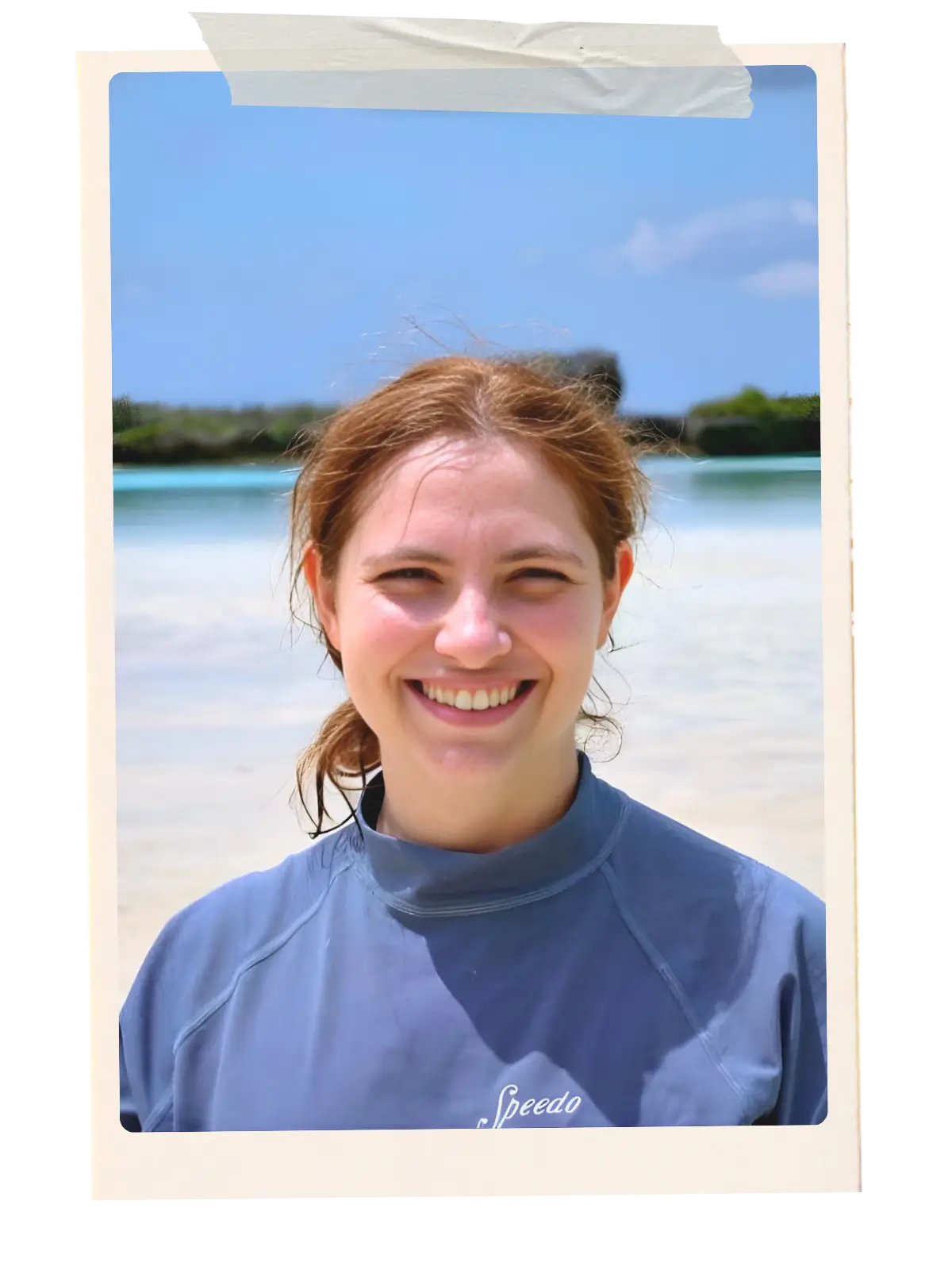
I love exploring new places and sharing the travel tips, food finds, and experiences that help you plan your next adventure.
Join the
Journey
Sign up for new itineraries, travel notes, and practical guides to help you explore the places I love most.
Best Time to Visit New Caledonia
New Caledonia at a Glance

Language
French is the official language. Kanak languages remain widely spoken in local communities. English is used in tourist areas, though it isn't as common outside hotels and organised tours.

Currency and Costs
CFP Franc (XPF). Approximate rate: 1 USD ≈ 100 to 110 XPF. Expect moderate to high daily expenses, particularly in Nouméa, on the Isle of Pines, and in resort properties.

Payments
Hotels and larger shops accept credit and debit cards. Travellers use cash for small purchases and on outer islands. ATMs are available in main towns.

Tipping
Service is usually included. Tipping is not expected, though small amounts for excellent service are appreciated.

Safety
Crime levels remain low. Follow normal precautions in urban areas and during water activities.

Connectivity
Mobile coverage works well in Nouméa and across Grande Terre. Internet access can be limited on smaller islands.
A Detailed New Caledonia Itinerary
Day 1: Arrival in Nouméa
Suggested Stay: Hotel or serviced apartment in Anse Vata or Baie des Citrons
Base: Nouméa
Highlights
- Anse Vata Beach promenade
- Baie des Citrons coastal walkway
- Nouméa marina
- Lagoon views toward Îlot Maître
Day 2: Nouméa and the Southern Lagoon
Spend the day exploring the capital and nearby lagoon areas. Visit the Tjibaou Cultural Centre for context, then head to Ouen Toro for elevated views. A short lagoon excursion introduces the clarity of the reef system.
Suggested Stay: Same as previous accommodation in Anse Vata or Baie des Citrons
Base: Nouméa
Highlights
- Tjibaou Cultural Centre
- Ouen Toro lookout
- Nouméa Market
- Lagoon excursion to Îlot Canard or Îlot Maître
Day 3: Nouméa to Bourail (West Coast)
The journey north along the west coast follows the main highway and takes approximately 2.5 to 3 hours. This is a straightforward transfer day with limited stops, positioning travellers closer to open coastal landscapes.
Suggested Stay: Beach lodge or guesthouse near Poé Beach
Route: Nouméa to Bourail
Highlights
- Farmland and savannah landscapes
- Poé Beach lagoon
- Roche Percée rock formation
- Coastal viewpoints along Bourail Bay
Day 4: Bourail and the West Coast Lagoon
Suggested Stay: Same as previous accommodation near Poé Beach
Base: Bourail
Highlights
- Poé Lagoon (UNESCO-listed)
- Roche Percée coastal formations
- Gouaro Déva nature reserve
- West coast reef-fringed shoreline
Day 5: Bourail to Koné and Hienghène (Cross-Island Transfer)
This is a longer travel day, crossing the central mountain chain from the west coast to the east. The drive to Hienghène via Koné and the transversal road takes approximately 4 to 5 hours, depending on stops and weather conditions.
Suggested Stay: Guesthouse overlooking Hienghène Bay
Route: Bourail to Hienghène (via Koné and mountain road)
Highlights
- Central mountain forest landscapes
- Koné plains
- Hienghène Bay arrival views
- East coast tropical vegetation
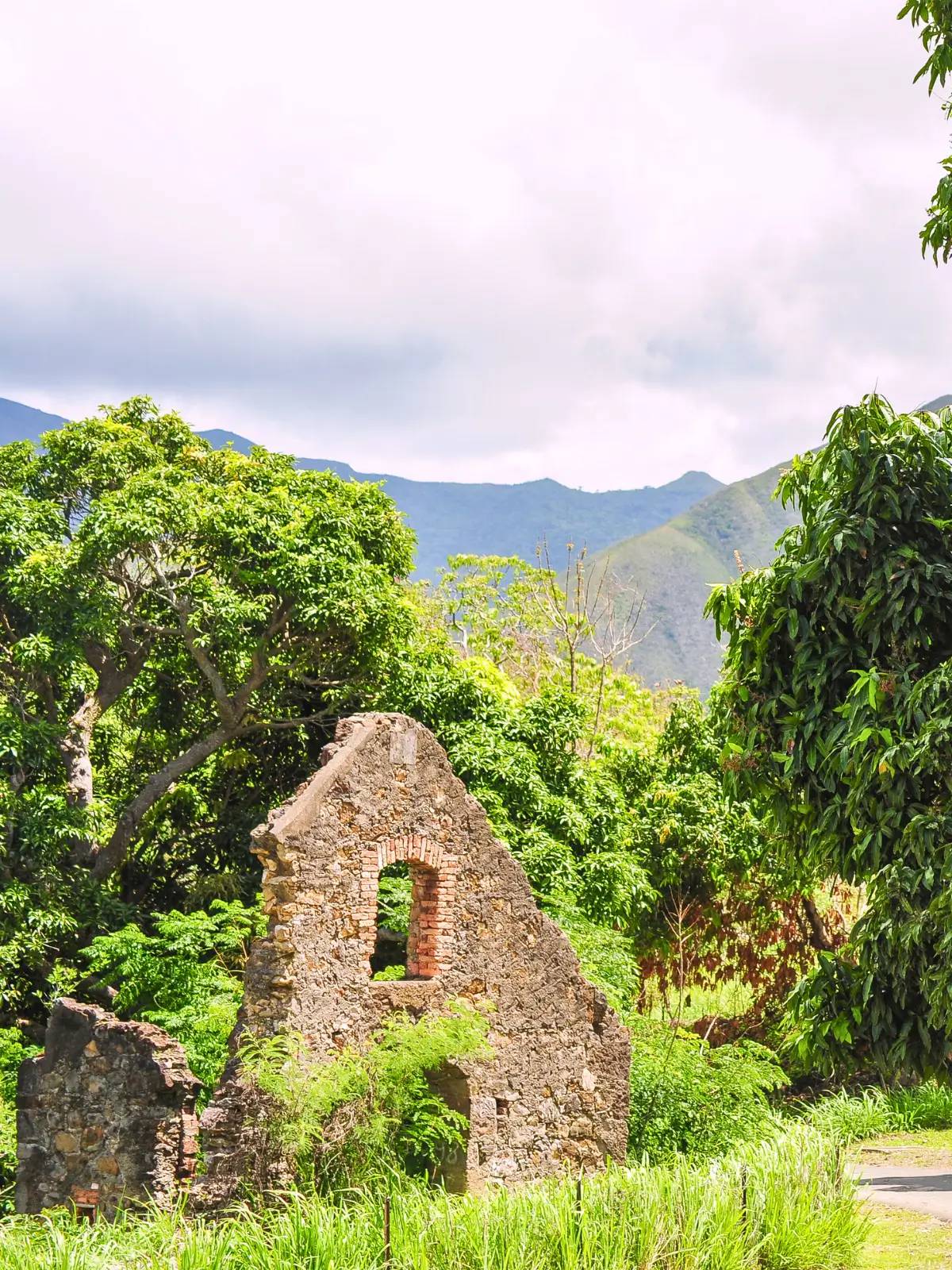
Day 6: Hienghène and the East Coast
Suggested Stay: Same as previous accommodation overlooking Hienghène Bay
Base: Hienghène
Highlights
- La Poule Couveuse rock formation
- Lindéralique Bridge
- Coastal road toward Koulnoué
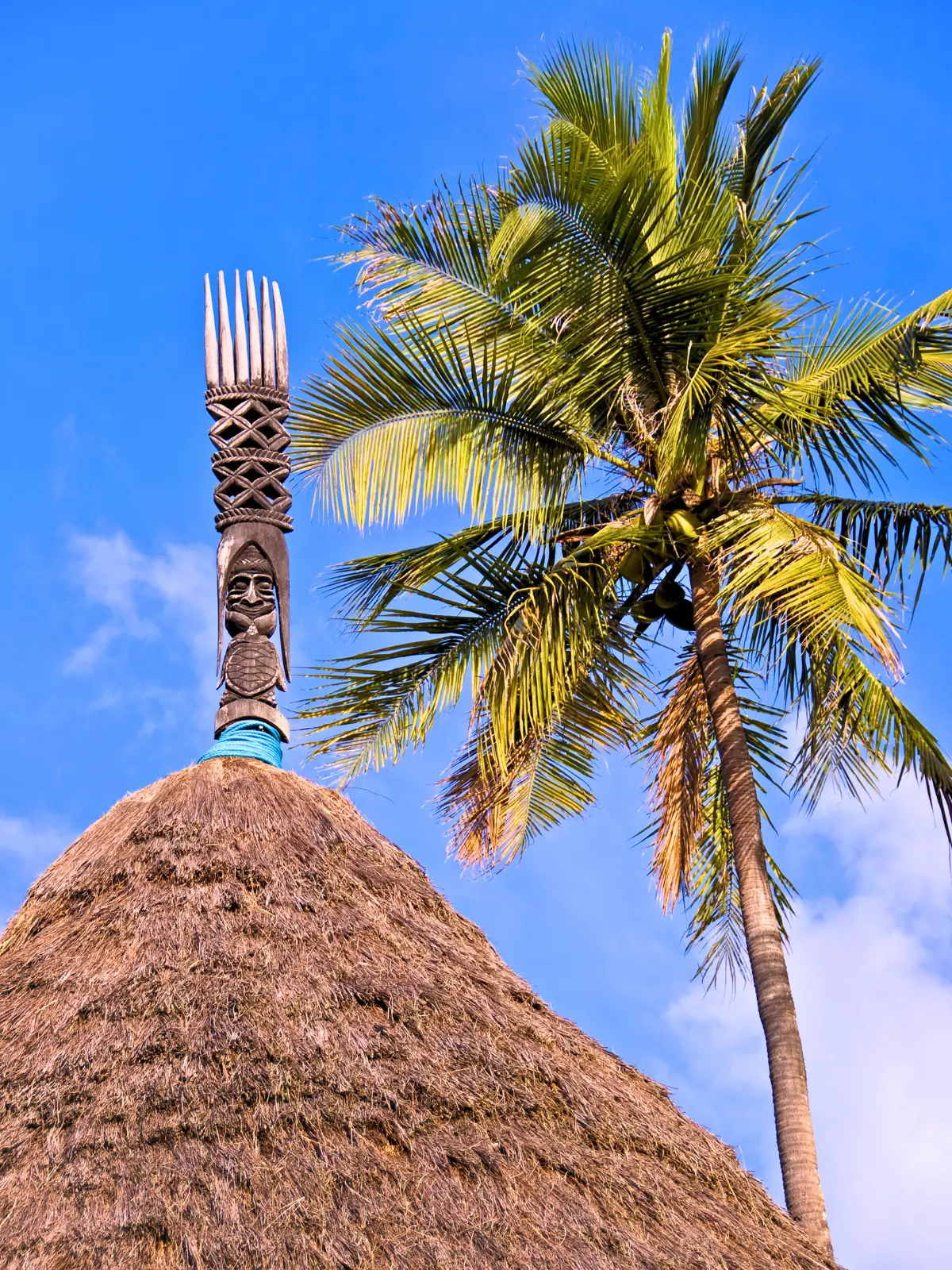
- Kanak tribal lands and forest scenery
Day 7: Hienghène to Nouméa
This is primarily a transfer day, with opportunities to stop at coastal viewpoints and mountain passes before returning to Nouméa for the night ahead of the island transfer.
Suggested Stay: Hotel in Anse Vata or Baie des Citrons
Base: Nouméa
Highlights
- Scenic southbound coastal drive
- Mountain viewpoints
- Return to city waterfront
Day 8–9: Isle of Pines
Suggested Stay: Lodge or resort near Kuto Bay
Base: Isle of Pines
Highlights
- La Piscine Naturelle
- Oro Bay
- Kuto Bay
- Kanuméra Bay
- Clear lagoon water and coral formations

Things to Know Before Visiting New Caledonia
1. Rent a Car If You Want to Explore Properly
2. Check Tide Times Before Swimming
3. Bring Enough Cash for Smaller Areas
4. Restaurant Options Shrink on Smaller Islands
5. Expect French-Style Opening Hours
6. Prices Can Be Higher Than Expected
7. The Red Soil Marks Easily
How to Get There
International Flights
Entry Airports and Gateways
Visa and Entry Requirements
What to Expect
Communication May Take Extra Follow-Up
English Is Not Universal
Signage Can Be Limited Outside Main Routes
Business Hours Follow Set Windows
Limited Ride-Sharing Services
App-based ride services are not widely available. Taxis operate in Nouméa, but availability drops late at night.
Resort-Centred Activities on Smaller Islands
Getting Around New Caledonia
By Rental Car
Renting a car gives you the most flexibility, especially on Grande Terre. You can set your own pace, stop at coastal viewpoints, and reach areas that public transport doesn’t cover.
By Taxi
Taxis operate mainly in Nouméa and the surrounding suburbs. You can find them at taxi ranks, hotels, or by phone booking. They don’t always cruise the streets looking for passengers.
By Bus
Local buses run within Nouméa and connect nearby areas. Services operate on set schedules and don’t cover the entire island.
Buses work for short city trips but don’t suit wider exploration.
By Domestic Flight
Use domestic flights to reach the Isle of Pines and the Loyalty Islands. Flights operate from Nouméa’s domestic airport and run on fixed schedules.
By Ferry
A passenger ferry connects Nouméa with the Isle of Pines and the Loyalty Islands on scheduled days. Sailings depend on weather conditions and seasonal timetables.
On Foot
Join the
Journey
Sign up for new itineraries, travel notes, and practical guides to help you explore the places I love most.
I love exploring new places and sharing the travel tips, food finds, and experiences that help you plan your next adventure.
